What about the crowds and cost?
March is a bit of a mixed bag when it comes to crowds and cost in Croatia. Across the month, it's still quiet on the whole, but with the first signs of tourism picking up, the most popular sights can start to get busy. Inland cities like Zagreb and Osijek stay pretty low-key, while coastal spots like Dubrovnik and Split start seeing more visitors as spring creeps in. The national parks, especially Plitvice Lakes, which are picturesque as the frozen surroundings melt, start to draw in hikers. Nature lovers are also attracted as the weather improves and wildlife springs into life.
It’s a great time for budget-conscious travelers since flights and accommodations are still reasonably priced compared to the busy summer months. Further good news comes in the shape of some seasonal attractions reopening, but ferry services to the islands remain limited. Overall, thanks to mild temperatures and longer days, March is a sweet spot for an affordable, crowd-free trip before the tourist rush kicks in.
Things to do in Croatia in March
March signals the transition from winter to spring, making it a great month for cultural exploration, scenic road trips, and early outdoor adventures. Temperatures begin to rise, and nature starts to awaken, offering a fresh perspective on Croatia.
Discover Dubrovnik without the crowds
Dubrovnik in March is calm and beautiful, with mild weather that is perfect for sightseeing. Walk along the city walls, explore Fort Lovrijenac, and visit Lokrum Island before the summer crowds arrive. Enjoy fresh seafood at a seaside restaurant without the need for reservations.
Explore national parks before peak season
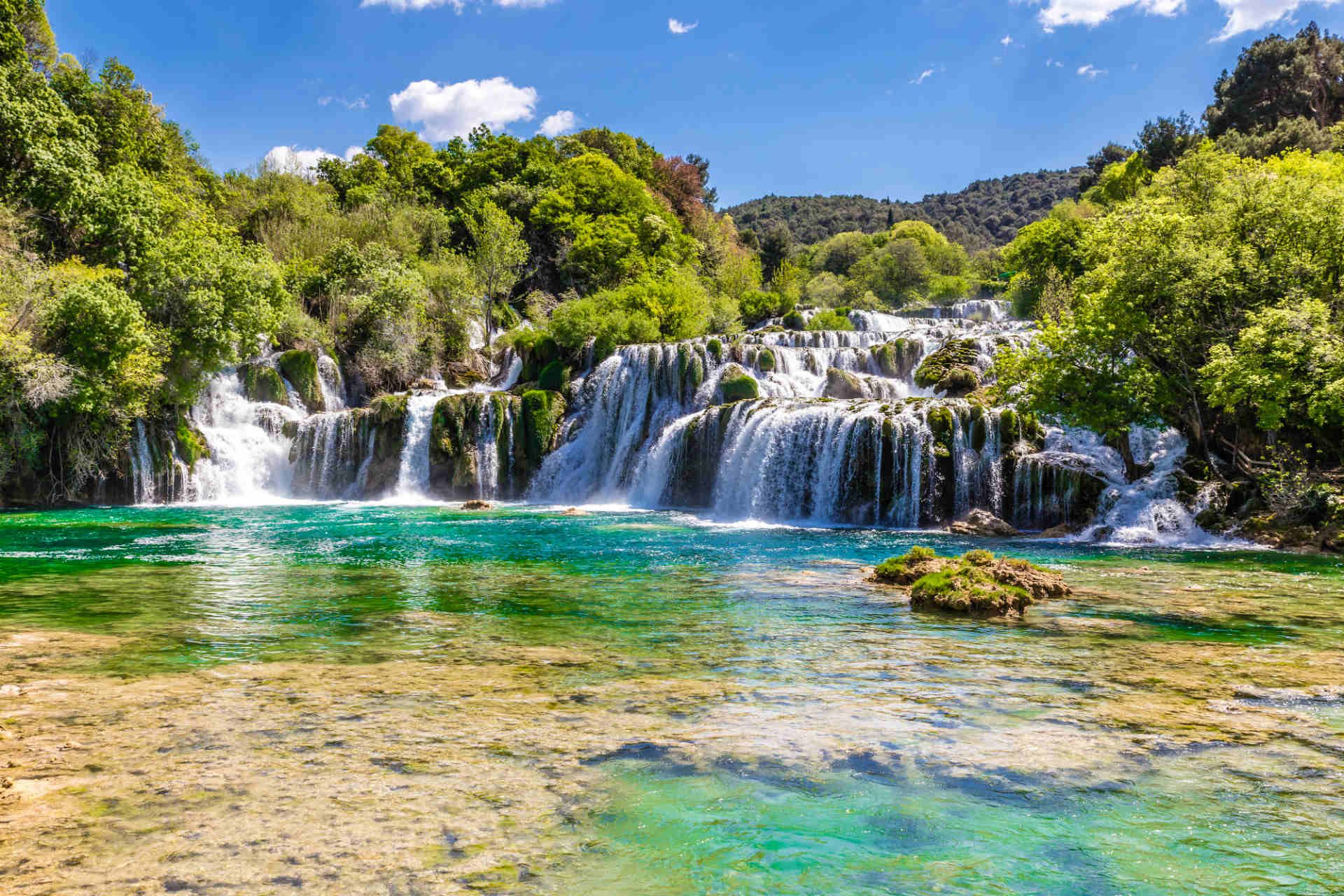
As spring approaches, Croatia’s national parks begin to show their beauty. Krka National Park, known for its waterfalls, is especially pleasant in March. The Skradinski Buk waterfall flows with full force, and the park’s trails are easy to explore without the summer heat.
Visit the wine cellars of Slavonia
March is a great time to explore Croatia’s lesser-visited wine region of Slavonia. Kutjevo, Ilok, and Đakovo are home to some of the country’s best Graševina wines. Take a guided tour of historic wine cellars and enjoy tastings paired with local specialties like kulen sausage and homemade cheese. For 6-day Croatia trips that look beyond the coast, Slavonia works best as a focused food-and-wine detour rather than a brief add-on between better-known sights.