Is January a good time to visit Croatia?
January in Croatia is wintry, bringing cold temperatures, short days and plenty of rain, snow and strong winds. Inland regions, including Zagreb and Plitvice Lakes, experience winter’s full force, with temperatures ranging from 28°F to 41°F (-2°C to 5°C) and frequent snowfall. It's warmer but still chilly along the Adriatic coast, including Dubrovnik and Split. Temperatures range from 41°F to 50°F (5°C to 10°C) but can feel colder due to the strong bura wind.
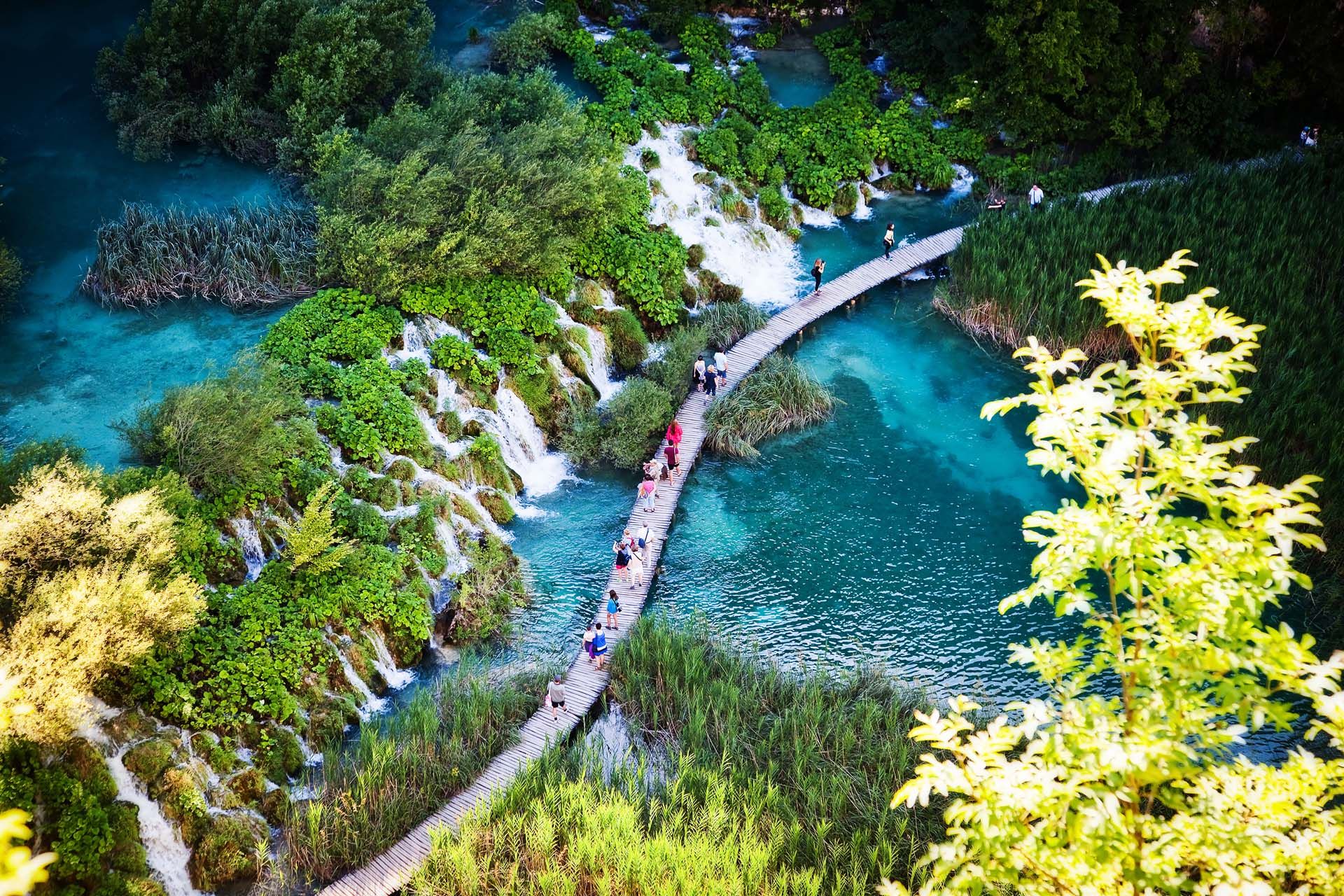
Traveling in Croatia in January is best for those who enjoy the winter scenery, skiing and cultural exploration without the crowds. Snow-covered landscapes in Gorski Kotar and Sljeme provide excellent skiing conditions, while Zagreb’s cozy cafés and museums offer a charming winter escape. National parks like Plitvice Lakes transform into a frozen wonderland, creating stunning photo opportunities.
While beach destinations and island hopping are off the table, January’s low tourist numbers mean lower prices and a peaceful atmosphere in Croatia’s historic cities. All in all, the weather in Croatia in January makes it a great month for a quiet, budget-friendly winter getaway.
Average daily temperatures in January
January's winter temperatures vary across Croatia. Inland, including Zagreb and Plitvice Lakes, cold conditions are the norm, with daytime highs averaging 41°F (5°C) and nighttime lows dropping to 28°F (-2°C). Snowfall is frequent, especially in mountainous areas like Gorski Kotar, which is good news for lovers of winter sports.
Along the Adriatic coast, temperatures are milder but still chilly. Split and Dubrovnik experience highs around 50°F (10°C) and lows near 41°F (5°C). The coastal region is often affected by the bura, a strong, cold wind that can make it feel much colder. Rainfall is also typical, particularly in Dalmatia and Istria, so pack a raincoat.
The sea temperature remains cold at around 55°F (13°C), making swimming bracing, to say the least. Despite the brisk weather, sunny days do occur, offering opportunities for sightseeing without summer crowds. January’s temperatures create a wintry atmosphere that’s perfect for exploring cultural sites without crowds, enjoying Zagreb’s cozy cafés, or experiencing Croatia’s picturesque snow-covered landscapes.