Staying safe and healthy in Peru
From altitude sickness, to food and water safety, here are some tips for keeping your family safe and healthy while on vacation in Peru.
Prevent altitude sickness
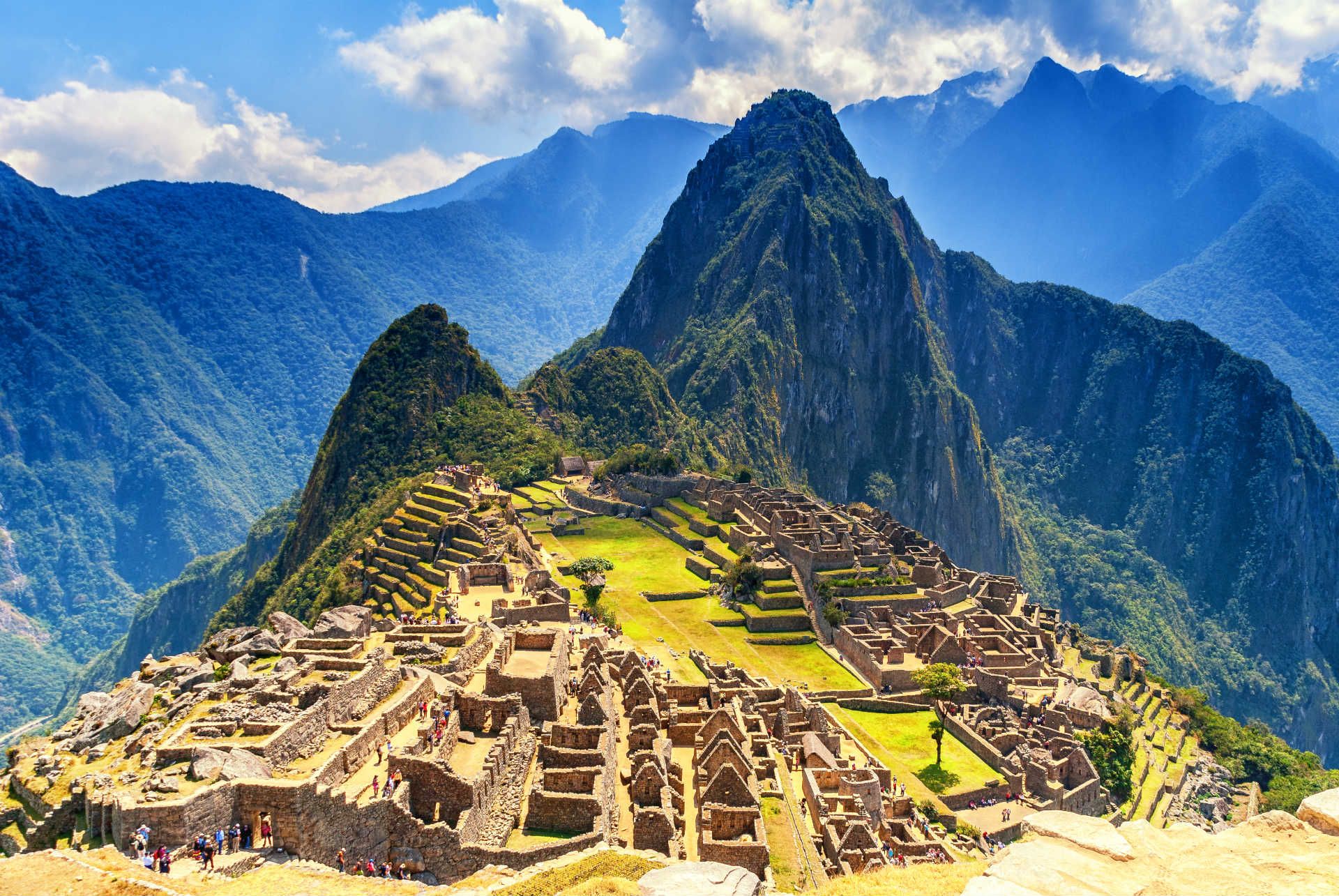
Heading to Cusco to explore Machu Picchu? Altitude sickness can be an issue for kids and adults. To prevent it, start in a lower-altitude spot (like Sacred Valley) so you can acclimatize.
On arrival, take it easy for the first 24 hours (no hiking), and drink plenty of water and avoid heavy meals.
Also keep an eye out for signs of altitude sickness — headache, nausea, dizziness, and difficulty sleeping. If you or anyone in your party experience them, descend to a lower altitude and consult a healthcare professional.
Food and water safety
Peru’s food is delicious but can cause stomach issues if you’re not careful. By which we mean, only drink bottled or filtered water, avoid raw vegetables and unpeeled fruit (they may have been washed in tap water).
It's also wise to stick to well-cooked meats and fresh hot food.
Sun safety
Peru’s sun is strong, even on cloudy days, and especially at high altitudes. So, you should all apply liberal amounts of SPF 50+ sunscreen and reapply every few hours.
Also wear hats, sunglasses and lightweight clothing, stay hydrated, and avoid intense activities between 11am and 3pm in high-altitude areas.
Bug bites and mosquito-borne illnesses
Mosquitoes in Peru can carry diseases like dengue fever and yellow fever, especially in the Amazon region.
This means it’s advisable to use insect repellent with DEET, especially when exploring the Peruvian jungle, along with wearing long-sleeve shirts and pants.
It’s also wise to choose hotels with screens on the windows, and to sleep under mosquito nets in jungle lodges — ask before booking, or bring your own if they don’t provide them.
Lastly, if you’re visiting the Amazon, check whether you need a yellow fever vaccine. While they’re not a requirement for entry, they might be recommended.
Transport and road safety in Peru
We cover more on getting around Peru below, but as a rule avoid public buses in Lima — they’re overcrowded and not safe for tourists.
Also, driving isn’t recommended for tourists — roads can be chaotic, and drivers often don’t always follow rules.
Healthcare and emergency information
While Peru has good private hospitals in Lima and Cusco, rural areas have limited healthcare, so bring essential medication from home, and arm yourself with travel insurance. Peru’s best hospitals are private and expensive for tourists.
In an emergency, dial 105 for the police, and 116 for ambulance services.