Weather in Japan in February

Select Month

start planning

 The weather in Japan in February brings peak winter conditions. Hokkaido’s ski resorts are going strong, and snow festivals like Sapporo’s and Otaru’s draw visitors with giant sculptures and glowing lanterns. In the south, things stay milder. It’s a good time to visit slower-paced towns like Nagasaki or Kagoshima without the summer heat. Hot springs feel extra inviting this month, and seasonal dishes like nabe and grilled winter seafood are everywhere.

Japan in February at a glance

February in Japan brings crisp winter weather, snow festivals, and quiet moments in hot springs.

  • Temperatures in February remain chilly throughout the country. Hokkaido sees averages between 19°F and 32°F (-7°C and 0°C), while central regions experience 36°F to 50°F (2°C to 10°C). Southern areas are milder, ranging from 54°F to 66°F (12°C to 19°C).
  • February is a fantastic time for enjoying unique winter festivals, discovering temples blanketed in snow, or relaxing in onsen towns.
  • Seasonal dishes like hot pots and sweet strawberries are widely enjoyed.
  • February in central and southern Japan is ideal for travelers seeking peace and low prices. However, ski resorts and places near major festival venues will be busier, so accommodations should be booked early.
Sapporo Snow Festival, Japan © samshutterstock/Shutterstock

Sapporo Snow Festival, Japan © samshutterstock/Shutterstock

What is the weather like in Japan in February?

February in Japan is still deep winter, but how cold it feels really depends on where you go. Northern regions like Hokkaido are cold and snowy, with temperatures well below freezing and regular snowfall. It’s prime ski season, and the snow conditions are reliable. In Tokyo and much of central Japan, the weather tends to be cold but dry, with daytime temperatures around 41°F to 50°F (5°C to 10°C). The air is often crisp and clear, which makes it a good time for city views and sightseeing. Farther south, around Kyushu, the weather is milder, and snow is rare.

This is low season for most sightseeing destinations, but a busy time for ski resorts. Rain and snow levels vary quite a bit. Tokyo sees about 2 to 2.4 inches (50 to 60 mm) of precipitation, while the western coast can get more than 4 inches (100 mm), much of it falling as snow in the mountains.

If you're traveling in February, it’s worth packing layers and planning for winter weather, but it can be a good time to explore. Cities are less crowded, and if you're into snow sports or winter festivals, this is one of the best times to go. Just keep in mind that accommodations near ski resorts may need to be booked in advance. For more advice, see our Japan travel tips.

Bruce

Tips from Bruce

Japan Travel Expert

quotes

 A ryokan stay isn’t really about the room—it’s about the rhythm of the experience.
Arriving early for a quiet soak before dinner and waking up for another bath at sunrise
reveals why this tradition is so cherished. Most first-time travelers miss this timing, but it’s
what makes a ryokan memorable.
 

Ready to see Japan? Have our local Japan travel experts create the perfect customized itinerary. 

Ski and snowboard area travel destination with Mount Yotei in Niseko Hokkaido Japan © Potus/Shutterstock

Ski and snowboard area travel destination with Mount Yotei in Niseko Hokkaido Japan © Potus/Shutterstock

 Average daily temperatures in February

February is still very much winter in Japan, though the weather depends a lot on where you are. In Tokyo, daytime temperatures usually reach around 50°F (10°C), dropping to about 36°F (2°C) at night. Hokkaido is much colder, with highs near 32°F (0°C) and lows around 14°F (-10°C), which is great if you're planning on skiing or snowboarding. Farther south, places like Okinawa are much warmer, with highs around 70°F (21°C) and lows closer to 59°F (15°C).

It’s still one of the coldest months of the year, but usually a bit milder than January. The air tends to be dry and the skies often stay clear. Sea temperatures are cold in most areas, averaging about 57°F (14°C) near Tokyo, so not ideal for swimming unless you're down in Okinawa, where the water stays around 72°F (22°C).

There are around 10 to 11 hours of daylight this month. In Tokyo, the sun typically rises around 6:30 AM and sets by 5:30 PM. As long as you’re dressed for the cold, the weather is usually stable enough to make sightseeing comfortable.
 

LocationDaytime temperaturesNighttime temperatures
Tokyo50°F (10°C)36°F (2°C)
Hokkaido32°F (0°C)14°F (-10°C)
Okinawa70°F (21°C)59°F (15°C)
Osaka/Kansai48°F (9°C)35°F (2°C)

If you're looking for inspiration for your next trip, see our Japan itineraries.

Cable car at Tateyama Kurobe Alpine Route, Japan © Shutterstock

Cable car at Tateyama Kurobe Alpine Route, Japan © Shutterstock

Is February a good time to visit Japan?

February is late winter in Japan, and it’s a solid time to visit if you're into snow activities or prefer quieter cities. The weather is cold but usually dry.

Ski resorts in places like Hokkaido and the Japanese Alps are in peak season, with reliable powder and a full winter atmosphere. If you’re in the cities, places like Tokyo and Kyoto tend to be less crowded, which makes it easier to visit major sights without long lines.

Late February also brings the first plum blossoms, which show up a few weeks before cherry blossom season starts. They’re a nice preview of spring and usually come without the crowds. Sapporo’s Snow Festival is one of the bigger events this month, with large-scale ice sculptures and a lively winter vibe. It’s also a good time to relax in an outdoor onsen while it’s snowing

  • Good skiing conditions in Hokkaido and the Alps
  • Fewer people at popular temples and museums
  • Plum blossoms usually bloom from late February
  • Winter light displays still running in many cities
  • Cold weather means you’ll need warm layers and a proper coat

If you're ready for a winter break, see our guide to how to plan a trip to Japan.

What about the crowds and cost in February?

Snow festivals and ski resorts continue to attract many visitors in February as the winter season continues. Large crowds attend iconic events such as Hokkaido’s Sapporo Snow Festival. You'll want to secure accommodations near major festival venues in advance.

In contrast, cities like Kyoto and Hiroshima in central and southern Japan are perfect for a more relaxed vacation due to the low volume of tourists that come here in February. Airfares remain similar to January, though ski resort accommodations may still see high demand. Travelers interested in exploring cities will benefit from off-peak pricing on lodgings. If you're planning a family trip, see our guide to Japan with kids.

Market Japan

Where to go in Japan in February

February gives you a mix of winter and early spring across Japan. Plum blossoms start to bloom in some areas, winter lights are still shining in many cities, and the ski season is still going strong in the mountains. It's a great month to make it to the best places to visit in Japan.

Tokyo

Tokyo can get a dusting of snow in February, which makes places like temples and yards look even more atmospheric. Plum blossoms usually start blooming this month, especially in parks like Shinjuku Gyoen, which is a nice early-season experience without the cherry blossom crowds. Many shopping areas still have winter lights up, and it’s easy to duck into a cozy izakaya for warm drinks and seasonal food. Museums and galleries are a good indoor option. See our guide to how many days do you need in Tokyo.

Kyoto

Kyoto’s temples and shrines can look especially striking after a light snowfall, and you’ll notice how quiet it feels without the usual crowds. Famous places like Kinkaku-ji and Fushimi Inari often feel more relaxed this time of year. It’s a good month to try a traditional kaiseki meal focused on winter ingredients like crab and root vegetables. The Kitano Tenmangu Shrine is also known for its early plum blossoms, which start to appear in late February and are celebrated with small festivals. See our guide to how many days do you need in Kyoto.

Sapporo

Sapporo’s Snow Festival kicks off in early February and turns the city into a kind of open-air sculpture park, with huge snow and ice displays lit up at night. It can get busy, but if you plan ahead, it’s worth seeing. Sapporo also makes a good base for reaching Hokkaido’s nearby ski resorts, which are known for reliable powder and long runs. Local food is a big part of winter here (miso ramen is especially popular), and the seafood is at its best right now. 

Sapporo Snow Festival, Japan © samshutterstock/Shutterstock

Things to do in Japan in February

The cold, wintry weather in Japan in February offers a one-of-a-kind opportunity to experience amazing snowy and icy landscapes and tuck into comforting seasonal cuisine. Here are some of the best things to do in Japan in February to get the most out of your trip.

Explore Shirakawa-go

Located in Gifu Prefecture, Shirakawa-go becomes a magnificent winter paradise in February. The gassho-zukuri farmhouses, with their steeply sloped thatched roofs, are picturesque under blankets of snow. These structures, designed to endure heavy winter precipitation, create a timeless village atmosphere. Visitors can enjoy exploring traditional homes, many of which are open as museums showcasing rural Japanese life. Scenic viewpoints allow for incredible photos of this UNESCO World Heritage Site, especially at dusk.

See drift ice in Hokkaido

The coastlines of Hokkaido's Okhotsk Sea are a natural spectacle in February, as drift ice flows in from the Arctic. You can get a closer look at the frozen landscape from Abashiri by boarding an icebreaker ship. Floating across icebergs in search of seals and sea eagles is an incredible and enlightening adventure. The Ashoro Museum of Drift Ice offers deeper insights into this seasonal phenomenon.

Try winter comfort foods

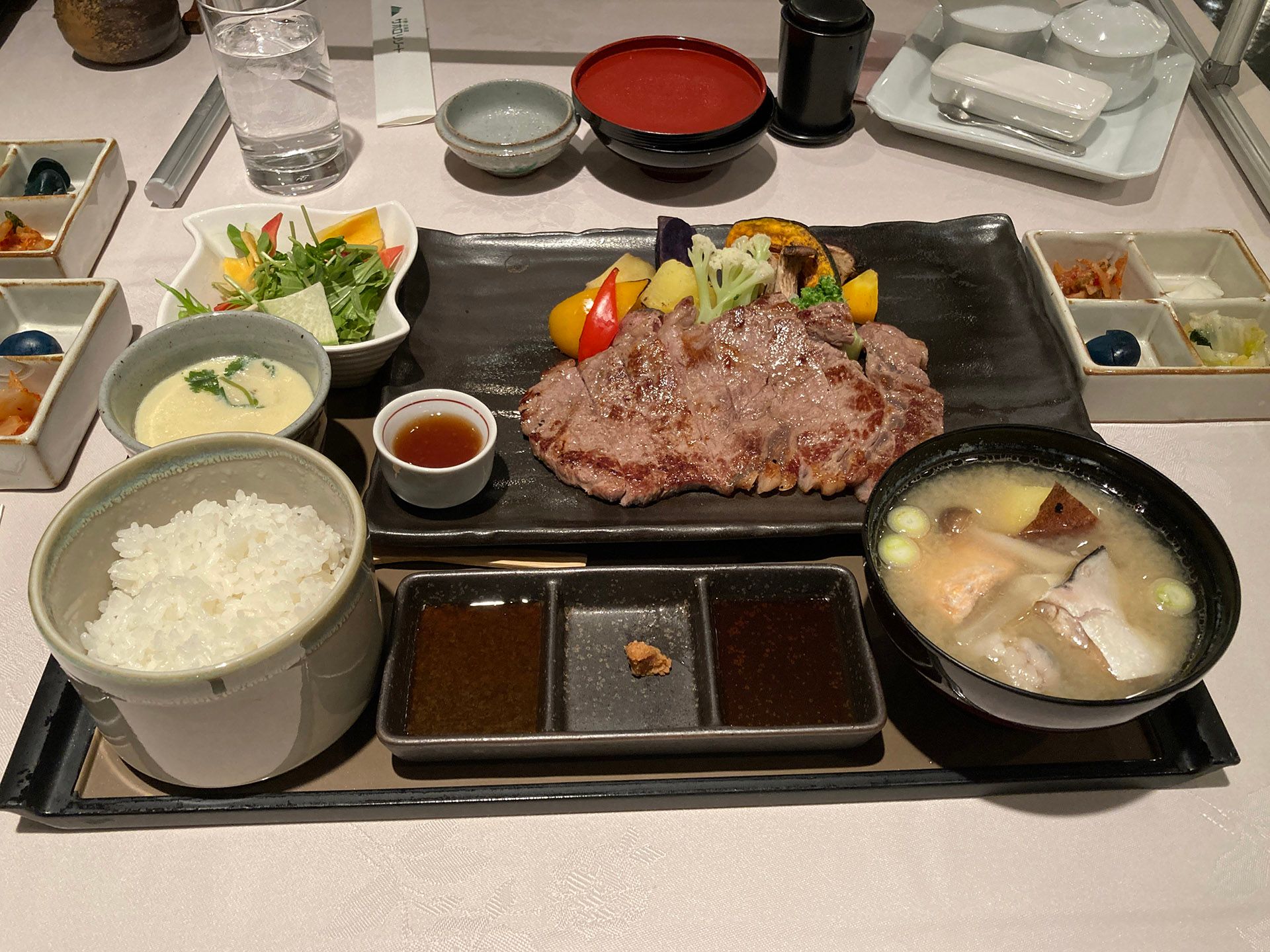
Japan in February is a wonderful time for savoring the country’s hearty winter cuisine. Nabemono (hot pot) dishes, like sukiyaki and shabu-shabu, are staples of the season, warming both body and soul. Hokkaido is especially renowned for its rich seafood, including crabs and scallops, which are often enjoyed in miso-based hot pots. In Kyoto, yudofu (hot tofu) served in steaming clay pots is a local delicacy that highlights simplicity and flavor.

hokkaido-japan-Wonderful meals at the Sahoro Resort Hotel.JPG

Plan your trip with our Japan itineraries

Our Japan itineraries give you a clear structure without locking you into a rigid plan. They’re designed to help you move around efficiently while leaving space to explore at your own pace.

  • 7 days in Japan itinerary: A week is ideal for a first taste of Japan. Focus on Tokyo and Kyoto, using fast trains to move between the two. You’ll get a good feel for modern city life, historic temples, and everyday Japanese culture without trying to do too much.
  • 10 days in Japan itinerary: Ten days adds breathing room. Along with Tokyo and Kyoto, you can include a day trip to Hakone, Nara, or Nikko. This version suits travelers who want variety without changing hotels every night.
  • 14 days in Japan itinerary: Two weeks allows for a deeper look. Add Osaka, Hiroshima, or the Japanese Alps, and spend more time in each place. It’s a good option if you want to balance major cities with quieter regional stops.
Olga Sitnitsa

written by
Olga Sitnitsa

updated 07.01.2026

Online editor at Rough Guides, specialising in travel content. Passionate about creating compelling stories and inspiring others to explore the world.