Italy Weather in November

Select Month

start planning

The weather in Italy in November embraces the country with a quieter ambiance and a touch of nostalgia. As the fall leaves fall gracefully, the country embraces its traditions and prepares for the vacation season. From exploring the ancient ruins of Rome to participating in the olive harvest in Umbria, November invites visitors to experience Italy's cultural heritage in a slower, more contemplative way. As the weather turns, visitors can delight in the cozy warmth of Italian trattorias and discover the other side of cities like Turin and Naples as the crowds disappear.

Italy in November at a glance

The weather in Italy in November makes it a great time to visit.

  • Expect daytime temperatures around 41 to 59 °F (5 to 15 °C) in the north, 50 to 64 °F (10 to 18 °C) in central regions, and 59 to 68 °F (15 to 20 °C) further south.
  • Rain is more frequent this time of year, and beach days are mostly done.
  • November is a quieter time to explore cities. Lines at major sites are usually shorter.
  • Prices also tend to dip as low season kicks in.
     

What is the weather like in Italy in November?

The weather in Italy in November tends to be cool and a bit unpredictable, especially the further north you go, but it can still be a good month to plan your Italy itinerary.

Rain is common this time of year, especially in central and northern regions. Most places see around 40 to 100 mm of rainfall throughout the month, so it's a good idea to pack a rain jacket and layers.

November falls into the low season. Beach days are mostly done for the year, but cities are quieter and more affordable, making it easier to get around without the summer crowds. Just plan for shorter daylight hours and occasional weather delays.

Annalisa

Tips from Annalisa

Italy Travel Expert

quotes

White truffle season peaks in late November in Tuscany, and one of the best places to experience it is San Miniato during the last three weekends of the month. Stay at a countryside agriturismo nearby and set aside a morning for a truffle-hunting walk with a local guide.

Your Italy trip, planned by a local. Start now by reaching out to our Italy travel experts.

Uffizi art gallery in Florence, Tuscany, Italy © Shutterstock

Uffizi art gallery in Florence, Tuscany, Italy © Shutterstock

Average daily temperatures in November

In November, Italy transitions firmly into late fall. In central cities like Rome you’ll typically see daytime highs around 58 °F (14 °C) and nighttime lows dipping to about 46‑50 °F (8 to 10 °C). That’s cooler than October, when highs were more commonly in the mid‑60s °F (17 to 20 °C). 

But how to plan a trip to Italy best during this time of year? During the day it’s often mild in a crisp‑air way: you’ll be comfortable outdoors in a light jacket, though the sky tends to be overcast about half the time. At night the chill sets in more noticeably, especially away from city heat, so layers become important. 

By the coast, sea temperatures fall to around 66‑68 °F (about 19 to 20 °C) in places such as the Amalfi Coast and Sicily, though further north on the Adriatic, it drops to ~60 °F (15 to 16 °C). Swimming is technically possible but feels cool rather than warm‑summer pleasant.

The month falls in the late‑fall season, and daylight is noticeably shorter: in Rome you’ll get around 10 h of daylight at the start of November, dropping to about 9 h 20 m by month‑end. 

If you’re planning travel during this time, expect decent but not beach‑weather conditions, so bring layers and an umbrella for possible rain, and plan for outdoor walks rather than full‑on swimming.

LocationDaytime TemperaturesNighttime Temperatures
Central Italy (Rome)Around 58°F (14°C)46°F to 50°F (8°C to 10°C)
Northern Italy50°F to 55°F (10°C to 13°C)40°F to 45°F (4°C to 7°C)
Southern Italy62°F to 68°F (17°C to 20°C)50°F to 55°F (10°C to 13°C)
Coastal Areas (Amalfi, Sicily)64°F to 68°F (18°C to 20°C)50°F to 55°F (10°C to 13°C)
mount-etna-shutterstock_405035131

Mount Etna © Shutterstock

Is November a good time to visit Italy?

November can be a tricky month for a trip to Italy. The weather shifts toward winter, so you’ll get cooler temperatures, shorter days, and a fair amount of rain, especially in the north. Cities like Milan, Venice, and the lakes can feel damp and gray, while places in the south like Puglia and Sicily stay milder but still too chilly for the beach. Most coastal resorts have packed up for the season by now.

That said, there are some real perks. Big sites like the Colosseum or the Uffizi are much quieter, and hotel rates tend to drop. It’s also a great time to settle into the local rhythm. Restaurants lean into seasonal comfort food like truffles in Piedmont, mushrooms in the Apennines, and warming dishes like ribollita in Tuscany. 

Tuscany’s countryside can feel especially moody and atmospheric in the rain, and indoor attractions like museums and churches feel even more appealing. Cities like Rome, Bologna, and Florence feel a bit more lived-in and local without the heavy tourist traffic.

Why November is a good time to visit:

  • Half-price museum admissions compared to peak season
  • Beautiful fall colors in Tuscany, Umbria, and Piedmont
  • Special events like the Bologna Jazz Festival and Alba White Truffle Fair
  • Ibex mating season in Gran Paradiso National Park
  • Start of Mount Etna ski season (weather permitting)
     
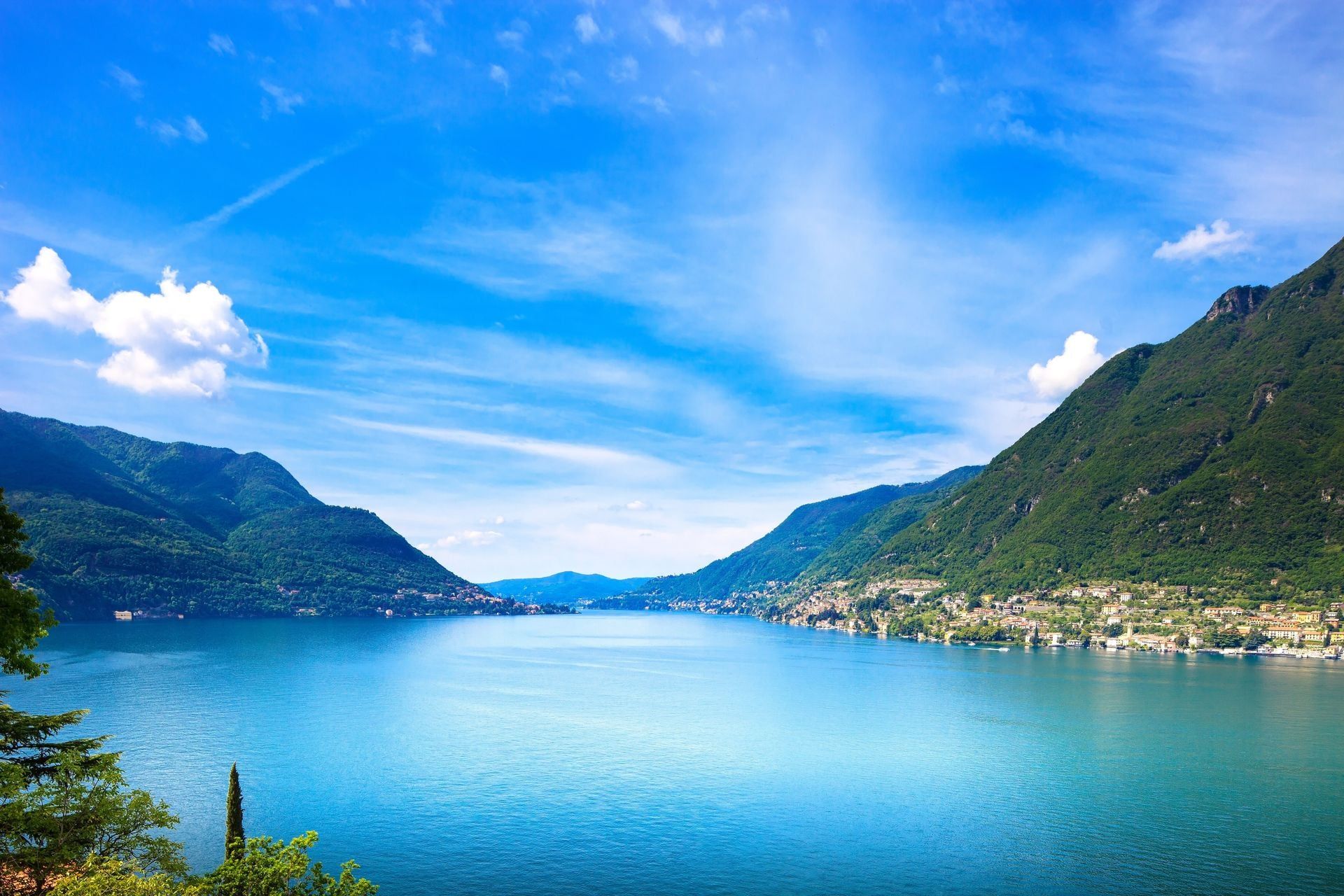
Como Lake landscape. Cernobbio village, trees, water and mountains. Italy, Europe.

Como Lake landscape. Cernobbio village, trees, water and mountains. Italy, Europe.

What about the crowd and cost?

If you travel to Italy in November, you’ll notice the crowds thin out and prices start to dip. Cities like Rome, Florence, and Venice are much calmer than they are in summer, and that usually means cheaper flights and better hotel deals. It’s not rock-bottom pricing like in deep winter, but you’ll generally spend less than during the high season. Big attractions still pull in a steady flow of visitors, but you won’t be jostling through packed lines.

For many, this is the best time to visit Italy. If you’re looking for similar conditions, early March or the second half of November often strike the right balance: cool weather, manageable crowds, and better rates. September and October usually have nicer weather, but they also bring more tourists and higher costs. On the other hand, December through February can be much quieter and cheaper, though the days are shorter, it gets colder, and some coastal areas or smaller attractions may shut down for the season.
 

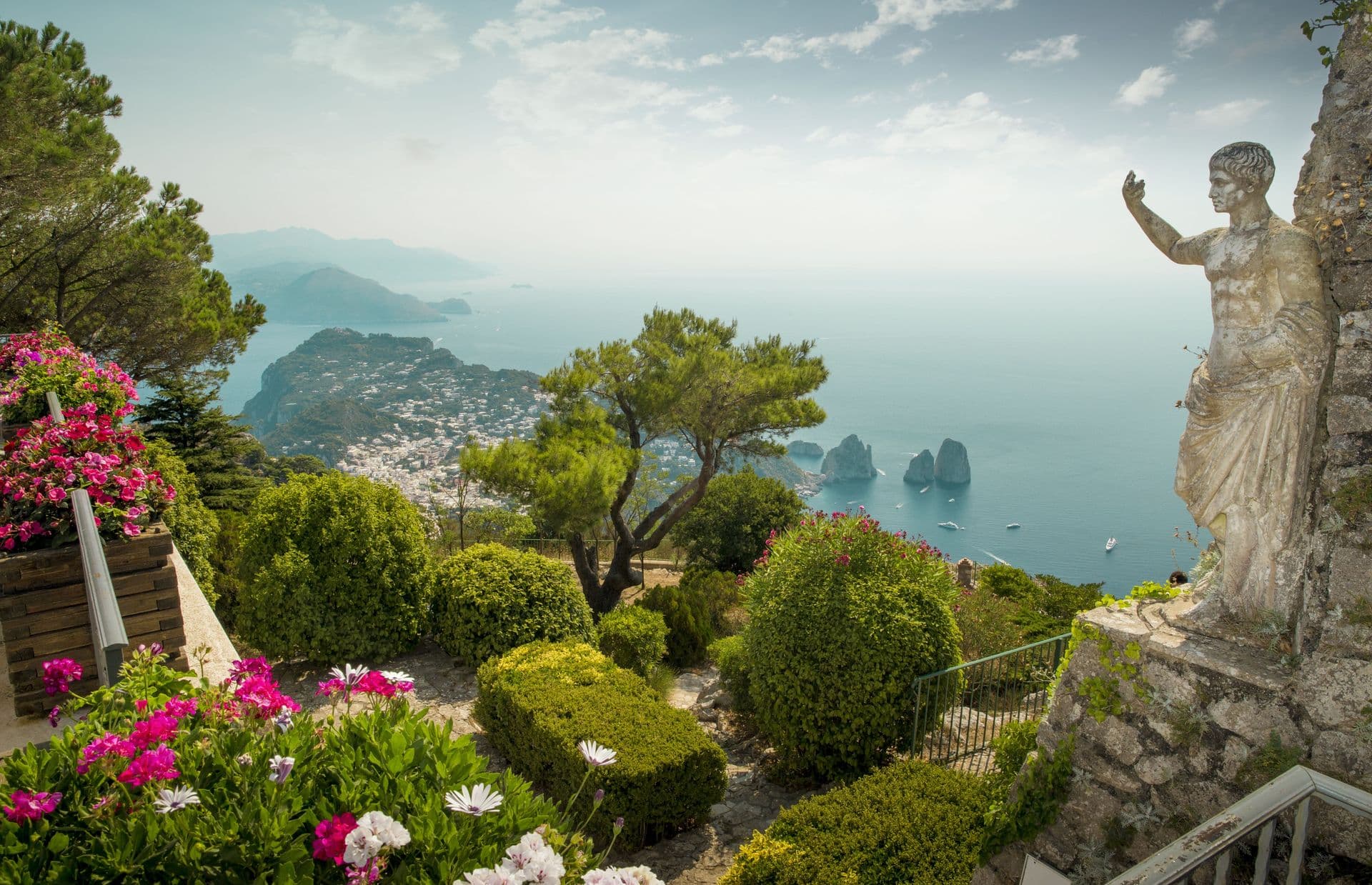
Panorama of Capri Island from Mount Solaro, Italy

Panorama of Capri Island from Mount Solaro, Italy

Where to go in Italy in November

November is a great time to see Italy slow down a bit. In the countryside, fall colors hang on while harvest season continues.  Here are some of the best places to visit in Italy in November.

Rome

Rome in November feels like it’s finally breathing again. Big sites like the Colosseum, Roman Forum, and Pantheon are still open and much easier to visit without planning days ahead. The crowds at the Vatican Museums thin out too, giving you more space to actually enjoy the art. The cool weather makes walking around much more pleasant, and you’ll still find plenty of people out at cafés in the evenings, thanks to heat lamps. In Trastevere, trattorias lean into the season with dishes like fried artichokes and rich pastas.  

Florence

Florence in November is quieter, which means you can actually enjoy the art. You can spend time in front of Botticelli and Michelangelo without being pushed along by a group. The cool weather makes climbing the Duomo more doable, and the views from the top are especially clear. The Oltrarno neighborhood is a good place to slow down and see craftspeople still working in traditional studios. Local markets bring in new olive oil and seasonal ingredients like chestnuts and mushrooms, and restaurants start putting truffle dishes and ribollita on the menu.

Bologna

Bologna in November is all about food. The university’s in session, so the city feels alive, but tourists are few. Its long portico-covered streets make it easy to keep exploring even if it rains. Trattorias serve up steaming bowls of tagliatelle al ragù and tortellini in brodo, and truffle season brings extra-special menus in some places.

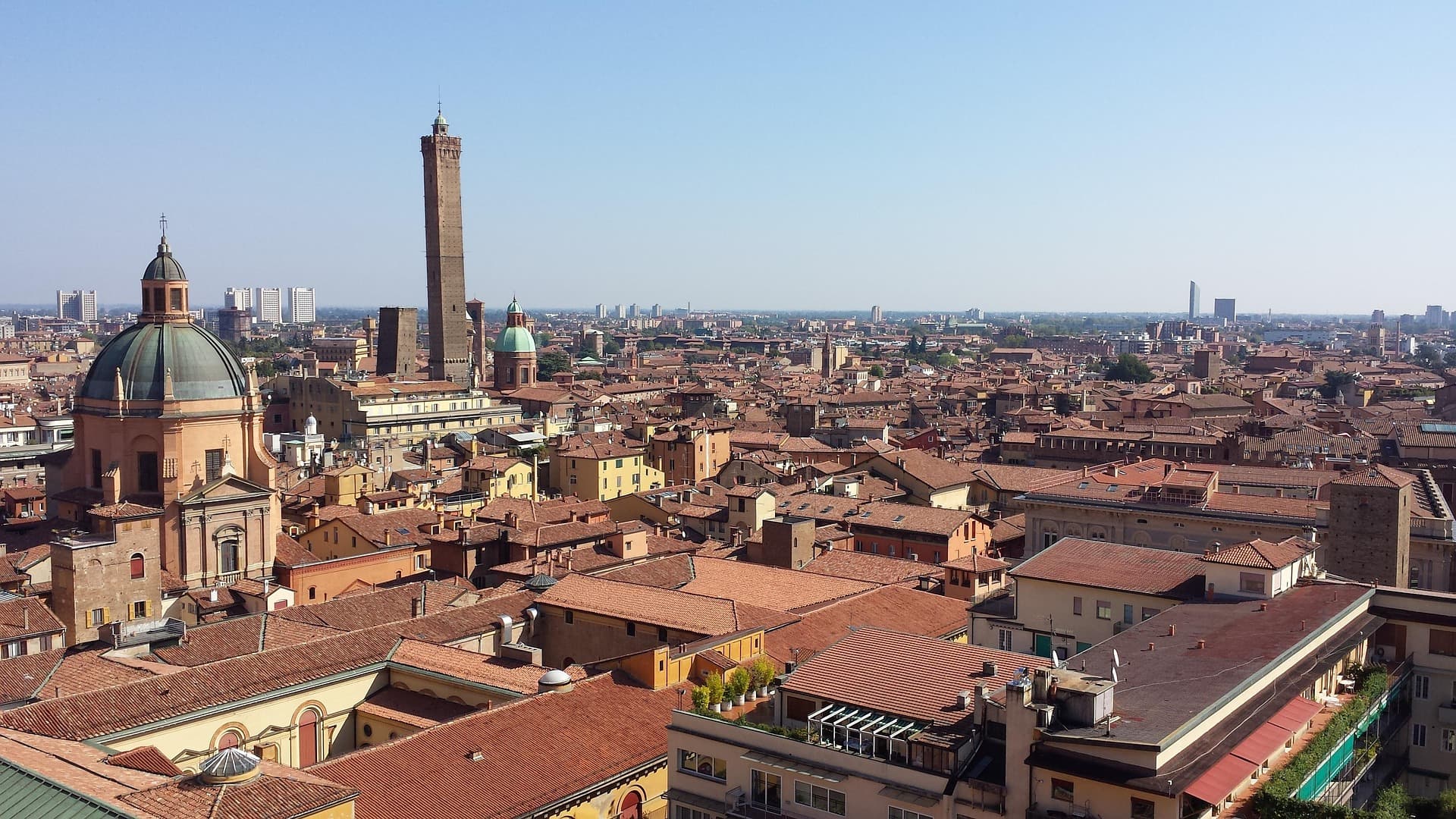
In the city center, food markets like Mercato di Mezzo are full of local goods. The red rooftops and towers catch the low light in a nice way, and if you climb the Asinelli Tower, the view stretches all the way to the hills. Bologna also works well as a base if you want to take day trips to places like Modena, Parma, or Ravenna.
 

Bologna, Italy

Bologna, Italy

What to do in Italy in November

November is when things slow down a bit in Italy. Tourist numbers drop, the weather cools, and locals get back to their regular routines. It's a good time to dive into cultural events and seasonal traditions that can be harder to catch during the summer rush. Here are some of the best things to do in Italy in November.

Go truffle hunting in Piedmont

White truffle season hits its peak in November, and it draws serious attention in Piedmont. Truffle hunters head into the woods early in the morning with their dogs to sniff out these subway fungi. You can tag along and see how it’s done, walking through damp forests where the ground crunches with fallen leaves. It’s a slow, careful process, and most hunters know exactly where to look thanks to knowledge passed down in their families. Afterward, you’ll see truffles shaved over everything from pasta to eggs in local restaurants. Barolo and Barbaresco wines are from this region too, so you’re in good hands if you want to pair something with lunch. This is a must for any Italy food tour

Attend an opera performance

If you’re into music or just curious about the culture, November is a great time to go to the opera in Italy. It’s the start of the season, and most people in the audience are locals who take it seriously. Big-name theaters like La Scala in Milan and La Fenice in Venice start putting on shows, and even the smaller venues in places like Parma or Palermo are worth checking out. Ticket prices are usually pretty reasonable, especially if you’re flexible about where you sit. You’ll notice that going to the opera isn’t just about the performance. It’s also about the atmosphere, the pre-show drinks, and the conversations during intermission. 

Explore Pompeii and Herculaneum

November is a comfortable time to walk through Pompeii and Herculaneum without the heat or high-season crowds. The lower sun angle actually makes it easier to see some of the frescoes and architectural details. Pompeii is big, and it takes time to get through, but you don’t feel rushed. Herculaneum is smaller and in better shape in some ways, with upper floors and wooden elements still visible. Both towns give a real sense of daily life during Roman times. If you’re up for it, Vesuvius is also more manageable in cooler weather. You can hike up to the crater for views over the Bay of Naples.  
 

violet artichoke of Sant Erasmo typical production of Venice © Shutterstock

Fresh artichokes, popular in Rome in November

Plan your trip with our Italy itineraries

Our Italy itineraries are built to make your trip easier. They give you a practical starting point for planning, with enough flexibility to fit your pace and interests. Use them as a guide, then shape the trip to suit you. A bit of structure helps, but the freedom to explore on your own terms makes all the difference.

  • Italy itinerary 5 days: A quick trip to Italy’s must-see spots, usually focused on one or two iconic cities. Perfect if you want a taste of Italy’s famous art, history, and cuisine.
  • Italy itinerary 7 days: A week in Italy allows you to experience both city life and a bit of countryside charm. You’ll have time to explore major sights and get a feel for Italy’s local culture.
  • Italy itinerary 10 days: Ten days offers a good balance between Italy’s cities and scenic regions. You can enjoy both bustling urban highlights and quieter rural areas at a comfortable pace.
  • Italy itinerary 14 days: With two weeks, you can take a deeper dive into Italy’s diverse regions. This itinerary covers a variety of landscapes, from historic towns to rolling vineyards and coastal views.
  • Amalfi Coast itinerary: A dedicated trip to Italy’s breathtaking Amalfi Coast, known for its cliffside villages and stunning sea views. Perfect for leisurely days exploring charming towns and relaxing by the water.
  • Tuscany itinerary: Explore the heart of Tuscany, famous for its medieval towns, vineyards, and Renaissance art. Ideal for wine tasting, scenic drives, and soaking up Italy’s countryside beauty.
  • North Italy itinerary: A journey through northern Italy’s rich culture, lakes, and mountains. Expect elegant cities, picturesque lake towns, and a taste of Italy’s alpine regions.
  • South Italy itinerary: Discover the unique character of southern Italy, from ancient ruins to sun-drenched beaches. This itinerary captures the laid-back vibe and rich traditions of Italy’s south.

Looking for a trip that fits your pace? Rough Guides’ local travel experts know the destination and will design the right itinerary, confirm every booking, and support you 24/7 while you’re on the road. Start planning today.

Ties Lagraauw

written by
Ties Lagraauw

updated 09.11.2025

Ties is a true world explorer - whether it be for work or leisure! As Content Manager at RoughGuides, and the owner of Dutch travel platform Reis-Expert.nl, Ties is constantly on the move, always looking for new destinations to discover.