Travel advice for Portugal
From travel safety to visa requirements, discover the best tips for visiting Portugal
Plan and book your private, tailor-made tour with vetted local experts
Home to some of the world's most beautiful beaches across its 500 miles of coastline, Portugal is also a place that invites cultural exploration, walks on the wild side, and stacks of staggeringly scenic drives. On that subject, if you’re thinking of traveling to Portugal and aren’t sure how to focus your trip, here we present a rewarding self-drive 10-day itinerary in Portugal that’ll see you uncover everywhere from Lisbon and Sintra to Porto and the Algarve, and much more besides.
This itinerary takes you from Lisbon to the Algarve, with stops in Porto, Coimbra, and Évora along the way. You’ll explore a mix of cities, coastal towns, and historic sites, using a rental car to keep the pace manageable. It’s a busy trip, but the route makes the most of your time without too much backtracking.

Lisbon — start point of this Portugal Itinerary 10 days
On balance, ten days is generally enough time to enjoy a satisfying Portugal vacation.
If you're planning a trip to Portugal, a self-drive itinerary is the perfect way to explore. While you won’t see every corner of the country, you’ll get a rich taste of Portugal’s culture, history, and landscapes, and all at your own pace.
With the flexibility to detour through charming villages, you can linger in scenic spots or chase the best local cuisine. This road trip lets you shape your adventure to match your interests. Here's how Portugal trips compare by length:
| Itinerary | Ideal for | Main highlights | Pace | Best for | From price* |
|---|---|---|---|---|---|
| 5 days in Portugal | Short break | Lisbon with day trips to Sintra, Cascais | Fast-paced | First-timers on limited time | $797 pp |
| 7 days in Portugal | One-week getaway | Lisbon, Porto, Douro Valley | Moderate | Couples and wine lovers | $1,213 pp |
| 10 days in Portugal | Classic route | Lisbon, Évora, Douro Valley, Porto | Balanced | Culture seekers and food enthusiasts | $1,800 pp |
*Indicative price per person for a fully arranged tailor-made trip.

Lisbon © Shutterstock
On arriving in Lisbon—Portugal’s cultured capital—collect your rental car and head to your hotel to check in.
Once you’re settled, venture out for your first taste of one of Europe’s most captivating capitals.
Scenically situated overlooking the Tejo river estuary, Lisbon serves an alluring mix of the ancient and the contemporary. As such, it’s a wonderful place for a rewarding weekend city break, which is why we’ve allocated it a few days of this 10-day Portugal itinerary.
To start exploring, you could take your first look at the Alfama—Lisbon’s oldest and most atmospheric quarter, which is also home to many fado clubs. Why not visit one during your first evening in the city?
There are plenty of great places to stay in Lisbon.

Sao Jorge Castle, Alfama, Lisbon © Shutterstock
Day two is devoted to discovering Lisbon’s rich history through an immersive walking tour of the city.
We suggest starting out at Praça do Comércio, Lisbon’s grand riverside square, and then strolling to the old Alfama district.
While it’s a dream to simply wander the streets, history buffs will want to head inside the stunning Sé Cathedral.
We also suggest stopping at the Miradouro de Santa Luzia for sweeping views of the Tagus River and then continuing to Castelo de São Jorge—a hilltop castle that also offers splendid views.
Come the afternoon, make your way to Belém, where iconic landmarks like the Belém Tower and Jerónimos Monastery—a UNESCO World Heritage Site—await.
Love local food? Be sure to stop by Pastéis de Belém to enjoy the original—and best—custard tarts.
If you’re keen to dive deeper into local culture, consider an afternoon cookery class, where you might learn how to make the likes of bacalhau à brás or caldo verde.
Round off your day in Lisbon’s lively Bairro Alto, known for its vibrant nightlife, traditional eateries, and late-night energy. Prefer to go your own way? Discover the best things to do in Lisbon off the tourist trail.

Pena Palace, Sintra, Portugal © Shutterstock
Day three will see you venture further afield on a scenic day trip to Sintra, Cabo da Roca — mainland Europe’s westernmost point — and the seaside town of Cascais.
Start your day with a 30-minute drive via the IC19 road to Sintra — a magical UNESCO World Heritage town nestled in the hills that really does seem to be conjured from a storybook.
Your first stop in Sintra should be the vibrant Pena Palace — a bedazzlement of bright reds and yellows perched high on a hill.
Next, head to Quinta da Regaleira — a whimsical estate known for its gardens, secret tunnels and the mysterious Initiation Well — before visiting the Sintra National Palace.
Its mix of Gothic, Moorish and Manueline architecture offers beautiful insights into Portugal’s royal past.
Once you’ve soaked up Sintra’s charm, it’s time to make your way to Cabo da Roca.
Drive west on the N247 road to reach Cabo da Roca, the westernmost point of mainland Europe.
In around 30 minutes, you’ll be marvelling at sweeping views of the Atlantic Ocean from the dramatic cliffs.
After walking along the cliffs and visiting the lighthouse, it’s time to move to the coastal town of Cascais.
Continue your journey south on the N247 to the picturesque seaside town of Cascais. This is one of the best road trips in Portugal.
After strolling its cobblestone streets or relaxing by the beach, pick a waterfront restaurant for dinner before driving back to Lisbon.

Batalha, Portugal © Altosvic/Shutterstock
Day 4 delivers fresh landscapes and experiences, thanks to a transfer from Lisbon to Porto via the charms of both Obidos and Batalha.
Set off early to drive from Lisbon to the wonderful medieval village of Óbidos — take the A8 motorway north for approximately an hour.
Park outside the town walls and enter on foot through the blue-tiled Porta da Vila. Besides simply exploring its quaint cobblestone streets, be sure visit Óbidos Castle.
You also won’t want to pass up the chance to try ginjinha — the region’s celebrated cherry liqueur, which is traditionally served in a chocolate cup — before moving to uncover the beauty of Batalha.
In the early afternoon, it’s time to hit the road for an hour. Namely, the A8 and A19 motorways to Batalha.
Home to the magnificent Batalha Monastery UNESCO World Heritage Site, Batalha is steeped in history and elegance.
Take time to take in the monastery’s grand Gothic architecture along with its Founder's Chapel, the Unfinished Chapels and information offering insights into Portugal’s Age of Discoveries.
After a late lunch, Porto awaits.
To get to Porto, drive north on the A1 motorway for around two hours.
Good news—there are many great places to stay in Porto, no matter what style you’re looking for, and no matter what your budget.

Riberia old town and the Douro River, Porto, Portugal © Michal Ludwiczak/Shutterstock
The next leg of this 10-day Portugal itinerary will see you discover Porto’s top attractions.
Stunningly located at the mouth of the Rio Douro, it’s a hugely atmospheric destination, so you’ll want to rise early to make the most of your time in the city.
Start out in the Ribeira District—Porto’s historic waterfront area. Packed with colorful streets, the historic Dom Luís I Bridge is a great spot from which to soak up scenic views of the Douro River. Better still, take a cruise on a rabelo boat.
Next, head to Livraria Lello—one of the world’s most beautiful bookstores—before moving on to the Clérigos Tower, which you can climb to enjoy epic views of Porto’s skyline.
Other must-see highlights of Porto are the São Bento Railway Station, with dazzling azulejo-tiled murals depicting Portuguese history, and the Romanesque Porto Cathedral.
Come the early evening, head over the Dom Luís I Bridge to Vila Nova de Gaia—the heart of Porto’s port wine industry. After touring a port wine cellar, end your day with dinner at a riverside restaurant. Wondering how long to stay in Porto? Whether you're visiting for a short city break or a longer exploration, timing makes all the difference.

Tips from Joel
Portugal Travel Expert

Don’t just order bacalhau everywhere and expect it to taste the same. In Porto, try bacalhau à Gomes de Sá: it’s baked with onions and potatoes. In Lisbon, go for bacalhau à Brás with those crispy little potatoes. But if you’re in Alentejo, skip the cod entirely and order açorda alentejana. It’s this garlicky bread soup with cilantro that locals actually eat all the time. The food changes a lot from region to region, so it’s worth trying the local stuff
Looking for a trip that suits you? Our local travel experts design itineraries around your needs.

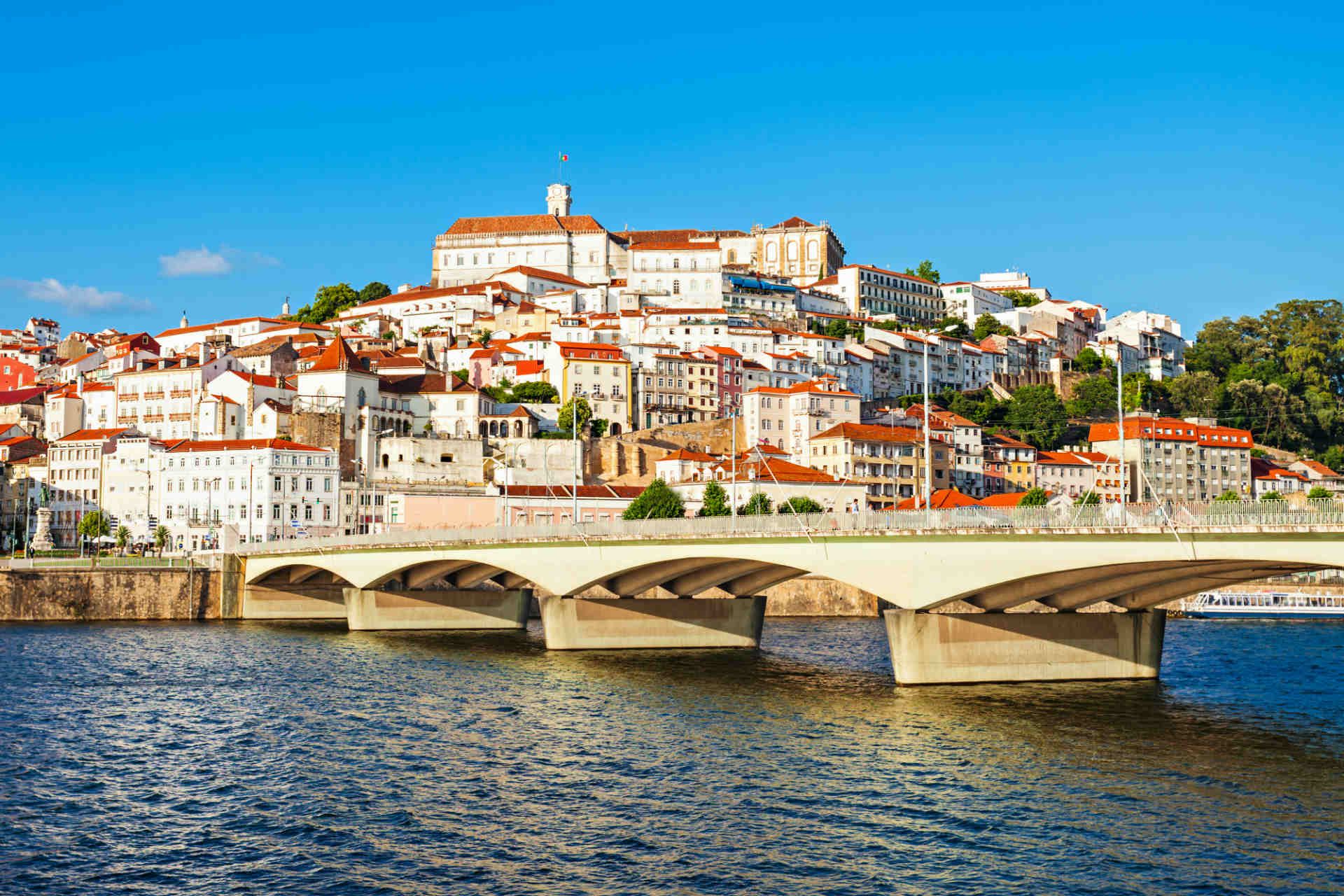
Coimbra, Portugal © saiko3p/hutterstock
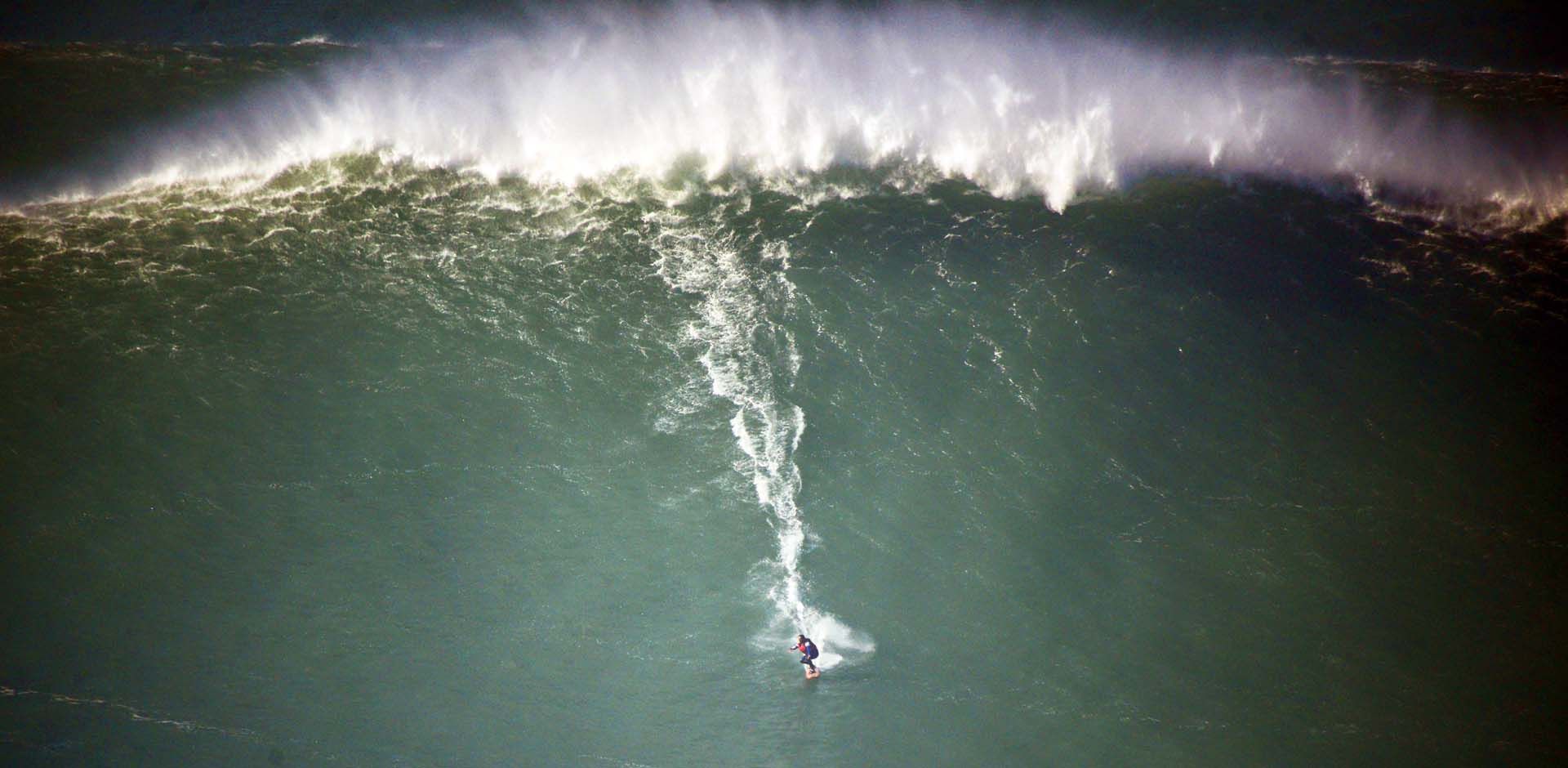
A duo of contrasting delights is in store on day six—namely, history-packed Coimbra and the surfers’ paradise of Nazaré.
To get from Porto to Coimbra, drive south on the A1 motorway, allowing enough time to spend a few hours exploring a charming history-packed city that’s home to one of Europe’s oldest universities.
Talking of which, the UNESCO World Heritage Site University of Coimbra is the best place to start your exploration. Don't miss the beautiful Baroque Joanina Library.
Next, head to the Old Cathedral (Sé Velha) and wander Coimbra’s medieval Alta district before stopping for a leisurely lunch ahead of driving to Nazaré.
After exploring Coimbra, continue south on the A1 and A8 motorways to Nazaré—a picturesque fishing village that’s known for its dramatic coastline and giant waves. The drive will take around 1.5 hours.
On arrival, be sure to visit Sitio viewpoint for breathtaking views of the Atlantic Ocean and the Praia do Norte, which is world-famous for its record-breaking surf waves.
Round off your day with a stroll along Praia da Nazaré beach, where you can find someplace scenic to enjoy dinner.
When it comes to choosing where to stay in Nazaré:

Surfing in Nazare, Portugal © Shutterstock
Day 7 will see you embark on a scenic drive from Nazaré to Albufeira — a gem of the Algarve.
But first, a stop at the enchanting UNESCO-designated Evora
Taking around two hours, the drive from Nazaré to Evora will see you head southeast via the A1 motorway towards Lisbon before switching to the A6 to Évora.
Once you arrive, start exploring at the impressive Roman Temple of Évora—it’s right in the center of town.
You’ll want to stop by the Cathedral of Évora and the Chapel of Bones (Capela dos Ossos), which is, indeed, adorned with human skulls and bones.
Next, take a stroll through Evora’s charming cobbled streets to find someplace pretty to tuck into a traditional Alentejan lunch.
After exploring Evora, drive south on the A2 motorway to Albufeira—one of the Algarve’s most popular coastal destinations.
Encompassing landscapes of rolling hills, the journey will take around 2.5 hours, which should leave you enough time to stroll Albufeira’s old town or walk the pretty Praia dos Pescadores before dining at a seafront restaurant.
Some areas to look into staying in Albufeira:

Lagos, Portugal © Shutterstock
You’ll soak up some of the Algarve’s most stunning coastal scenery on day 8 (hello, Sagres!), along with having the chance to discover Portuguese history, courtesy of a visit to Lagos.
Set off early from Albufeira, taking the A22 motorway west toward Sagres — a small coastal town that packs mighty punch when it comes to dramatic scenery and historic significance. The drive will take around 1.5 hours.
Make your first stop Cape St. Vincent, the south-westernmost point of Europe, which serves sweeping views of the Atlantic.
We also suggest exploring Sagres Fortress, where Prince Henry the Navigator is said to have planned Portugal's Age of Discoveries, and heading to Praia do Tonel. Popular with surfers, the stunning beach is also ideal for a pre-lunch stroll. This is one of the best things to do in the Algarve.
Come the afternoon, it’s time to drive on to Lagos, which is just 30 minutes away from Sagres.
First, you could hit the beach, and visit the Ponta da Piedade, a collection of dramatic sea cliffs, with natural arches and caves. If you have time, take a boat tour to see the dramatic coast from the water.
Next up, take time to explore Lagos’ Old Town, with the Slave Market Museum a must-visit for history buffs, before driving back to Albufeira.

Faro, Portugal © Digital signal/Shutterstock
Onn day 9 of this 10-day Portugal itinerary, you’ll discover more handsome highlights of the Algarve, starting out in Olhao.
To get to Olhao, take the A22 motorway east — in around 40 minutes, you’ll reach this lively fishing town.
Besides walking the lovely café-lined waterfront promenade — which also offers views of the Ria Formosa lagoon — we also suggest taking time to explore the Mercado de Olhão to pick up regional delicacies.
Into nature and beautiful beaches? You might want to take a short boat trip from Olhão to the nearby islands of Culatra or Armona before moving to Faro for the rest of the day. See our guide to the best things to do in Faro for inspiration.
Faro, capital of the Algarve, is a mere 15-miute drive from Olhao — simply drive along the EN125 to get here.
Start your afternoon exploring the splendid Old Town (Cidade Velha). If you didn’t eat lunch in Olhao, now’s your chance!
For wonderful views of the Ria Formosa, climb Faro Cathedral’s lofty tower, while eerier history awaits in the Bone Chapel (Capela dos Ossos).
On day 10, it’s time to prepare to head back to the airport for your homeward flight.
Be sure to leave enough time to return your rental car, whether you’re flying from Faro or Lisbon.
Keen to uncover Portugal for yourself? See the best of our Portugal itineraries to help you create the perfect trip.

Performing fado music © Shutterstock

Tips from Goncalo
Portugal Travel Expert

The Algarve is great if you want calm water and a lot of amenities, but it’s also really built up and full of tourists. If you’re after dramatic cliffs and quieter beaches, head to the west coast around Adraga or Guincho near Cascais. The water is colder, around 63 degrees even in summer, and the currents can be strong so keep an eye on kids. If you want something in the middle, try Costa Vicentina down south. It’s gorgeous and not as crowded, but you will need a car to get around
Discover the easiest way to travel with itineraries created by Portugal local experts.

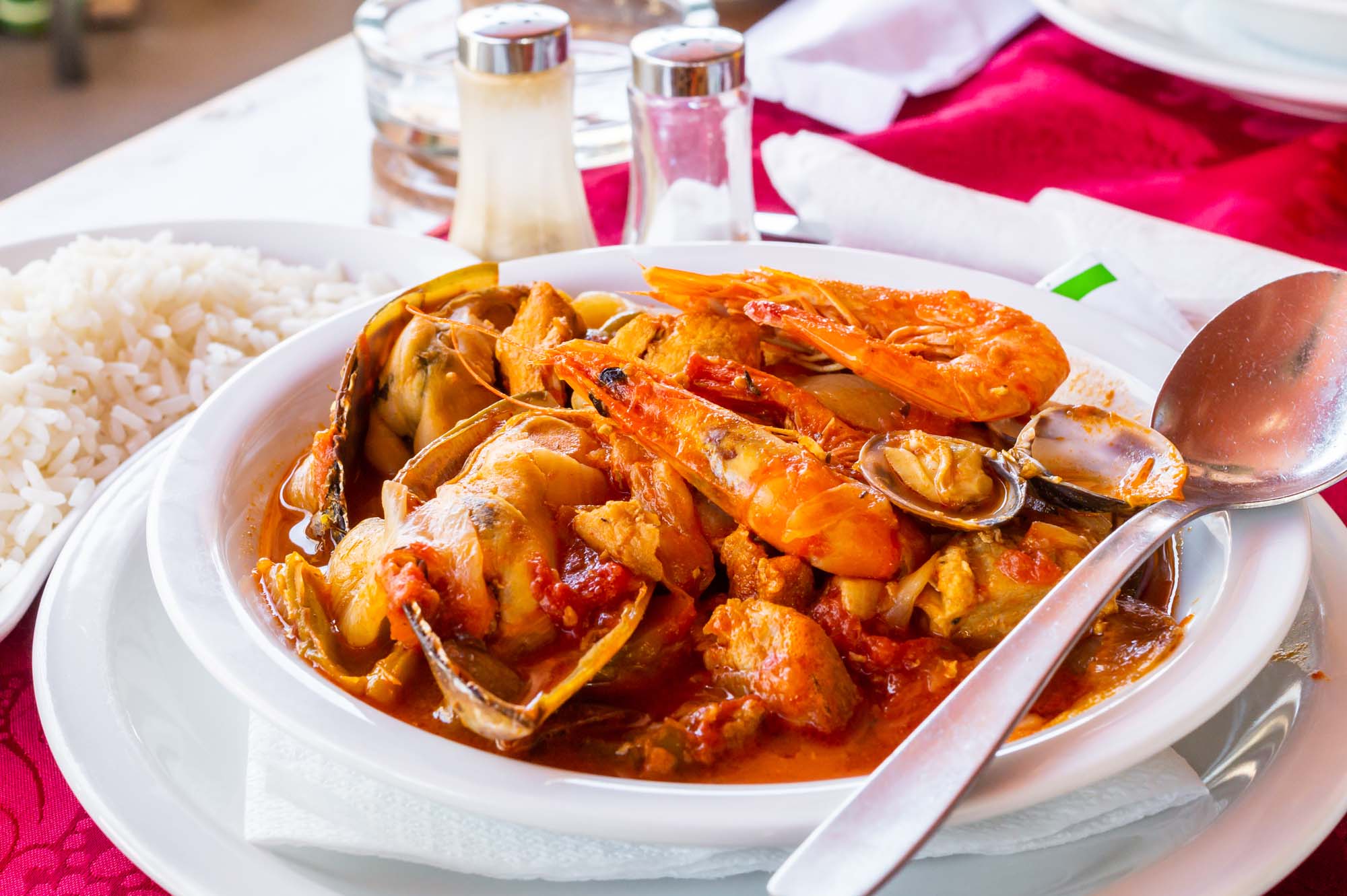
Classic portuguese sea food cataplana in Albufeira, Portugal © Shutterstock
The best time to visit Portugal is spring or fall, especially April to June or September to October. You’ll get warm, comfortable weather without the full-on summer crowds. It's a great window if you're planning to explore cities like Lisbon or Porto, or take a road trip through wine country. Coastal areas are still pleasant, and the sea is swimmable in early fall. Summer is fun but busy and expensive, especially in beach towns.
From travel safety to visa requirements, discover the best tips for visiting Portugal
Discover Portugal's most captivating stories
written by
Joanne Owen
updated 11.11.2025
Joanne is a Pembrokeshire-born writer with a passion for the nature, cultures and histories of the Caribbean region, especially Dominica. Also passionate about inspiring a love of adventure in young people, she’s the author of several books for children and young adults, hosts international writing workshops, and has written articles on the Caribbean and inspirational community initiatives for Rough Guides. Follow her @JoanneOwen on Twitter and @joanneowenwrites on Instagram.
Arrange your trip, hassle-free, with local travel experts
Arrange your trip with local travel experts