
Travel advice for Nepal
From travel safety to visa requirements, discover the best tips for visiting Nepal
Nepal’s a stunning place to visit — mountain views, historic temples, and a ca culture that’s both welcoming and deeply rooted. But it’s not somewhere you want to just show up without a bit of prep. Altitude sickness is common, food can mess with your stomach, and once you’re out of the cities, medical help gets a lot harder to find. Roads can be rough, and transport isn’t always reliable. Earthquakes and landslides also happen from time to time. It’s not about being scared — just being smart. A bit of planning makes a big difference.
Crafted with by local experts
The only vaccine that’s officially required is yellow fever — and that’s only if you’re arriving from a country where it’s a risk. You’ll need the shot at least 10 days before landing in Nepal if that applies to you. But depending on your plans, there are a few others worth considering:
Highly recommended vaccines:
Depends on your itinerary vaccines:

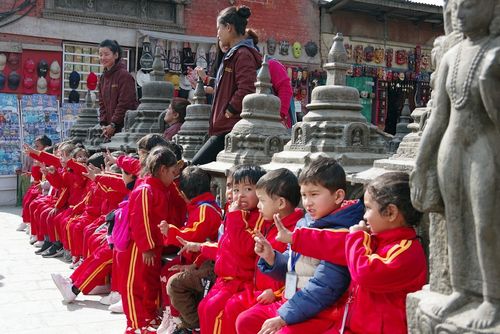
Kathmandu, Bhaktupur, Nepal © Stuart Butler
You’ll want to start early — aim for 4 to 8 weeks before your trip to Nepal. Make an appointment with a travel health clinic and get a dental check-up while you're at it. Dealing with tooth pain on a remote trail is not the vibe.
Planning to trek? Let your doctor know right away. Talk through your full route, especially if you'll be sleeping at high altitudes above 8,000 feet (2,500 meters). Ask about medication for altitude sickness (like Diamox), and be honest about any health issues — even ones that don’t usually bother you. Asthma, high blood pressure, and sleep apnea can all act up at altitude.
If you have any history of heart or lung issues, your doctor might want to run some tests before clearing you for long treks. Also worth double-checking: how your current meds hold up in heat or cold, and whether any could clash with altitude-related meds. Make sure you're prepared before you leave by taking a look at our Nepal travel tips.
Some of these items can be bought in bigger cities, but it’s best to bring your own especially if there is a specific brand you trust.
Some medications you'll want to consider bringing are:
Some other health-related items you'll want to pack are:

Group of climbers reaching the Everest summit in Nepal © Vixit/Shutterstock
Altitude sickness is the biggest health risk you’ll face while trekking in Nepal. It doesn’t matter how fit you are—Acute Mountain Sickness (AMS) can affect anyone who climbs too fast above 11,500 feet (3,500 meters). It’s not something to take lightly; if you ignore it, it can get serious fast.
The highest-risk treks are the big ones: Everest Base Camp at 17,598 feet (5,364 meters), the Annapurna Circuit which peaks at 17,769 feet (5,416 meters), and anything else over 8,200 feet (2,500 meters). Early warning signs include headaches, dizziness, fatigue, nausea, poor sleep, and loss of appetite. If symptoms progress to confusion, trouble walking, shortness of breath while resting, or a persistent cough with frothy spit, you need to descend immediately.
The best way to stay safe is to acclimatize properly. Follow the golden rule: climb high, sleep low, and don’t gain more than 984–1,640 feet (300–500 meters) per day once you’re above 9,842 feet (3,000 meters). Add a rest day for every 3,280 feet (1,000 meters) you climb. Many trekkers also take Acetazolamide (Diamox) to help prevent symptoms—125mg twice a day, starting 1–2 days before your ascent and continuing at altitude for a couple more days.
Drink plenty of water—3 to 4 liters daily—and skip the alcohol since it dehydrates you and can make symptoms harder to recognize. Build in extra days to your trek so you can adjust as needed. And if your symptoms get worse, descend. That’s the only guaranteed way to get better. No view or summit is worth risking your life.
Tap water in Nepal isn’t safe to drink, even in fancy hotels. Always use bottled water to drink and brush your teeth. On treks, use purification tablets, a proper filter, or boil your water for at least 3 minutes (longer the higher you go).
As for food, stick to the rule “boil it, cook it, peel it, or forget it.” Avoid raw veggies and salads, especially in smaller places outside Kathmandu. Skip street food that’s been sitting around—go for something hot and freshly cooked. Be cautious with dairy and never assume ice is made from clean water. Choose restaurants that are busy and have a visible kitchen. Places packed with locals are usually a safer bet. If your traveling to Nepal with kids, you'll want to be extra careful.

Kathmanu Boudhanath, Nepal © Stuart Butler
If you're heading to the lower areas or the Terai—anything under 6,561 feet (2,000 meters)—be ready for mosquitoes, especially from June to September. These regions are where you’ll find dengue and Japanese encephalitis. Use a repellent with 30–50% DEET, especially at dawn and dusk. Long sleeves and pants help, as does wearing permethrin-treated clothes. In rural spots or cheap lodges, sleep under a mosquito net.
UV radiation gets intense at high altitudes—even on cloudy days. For every 984 feet (300 meters) you climb, UV levels go up by 4–5%. Use SPF 50+ sunscreen and reapply every couple of hours. Bring a wide-brimmed hat, good sunglasses, and SPF lip balm.
In Kathmandu, air quality is often bad—AQI levels regularly hit 150 or more. Pack a few N95 masks if you’re spending time in the city, especially during dry months. Choose hotels away from busy roads when you can.
And don’t underestimate the cold. Even in summer, temps can drop below freezing above 9,842 feet (3,000 meters), especially at night. Bring layers—base layer, fleece, outer shell—and be prepared for serious temperature swings. Hypothermia is a real risk.
Traffic in Nepal is unpredictable at best. If you’re riding a scooter or motorbike, always wear a helmet—accidents are common, and local drivers don’t always follow the rules. For trekking, good hiking boots with ankle support can save you from twisted ankles or worse. And don’t forget the hand sanitizer—use it often, especially before meals.
In Kathmandu, be extra careful when crossing the street. Drivers rarely stop for pedestrians, even at crosswalks. Use pedestrian bridges whenever you can, and if you have to cross a busy road, try to do it with a group.
After dark, especially in Thamel, it’s best not to walk alone in quiet areas. Things can get rowdy after midnight when the bars empty out. Keep your valuables close—ideally in a front-facing bag or a money belt. Pickpocketing does happen, especially in crowded places like local markets and public buses. Keep an eye on your stuff and stay alert, and you’ll be fine.

Kathmandu in Nepal © Stuart Butler
If you’re heading to Nepal, especially to trek, travel insurance isn’t something to shrug off. Once you’re out of the cities, the terrain gets rugged and medical care can be pretty limited. If something goes seriously wrong—like you break a bone or need surgery—you might end up needing to be flown to Bangkok or Delhi. That kind of evacuation can cost $50,000 or more.
Kathmandu has hospitals that can handle the basics, but out on the trail, you’ll mostly find small health posts. These are usually stocked with basic supplies and run by someone with limited training. In places like the Everest and Annapurna regions, there are a couple of seasonal clinics staffed by Western doctors—like the Himalayan Rescue Association clinics in Manang at 11,545 feet (3,519 meters) and Pheriche at 14,340 feet (4,371 meters). They’re great to have around, but if things go south, you’re still looking at a helicopter ride and possibly an international flight.
Add in the risks of altitude sickness or injury on the trail, and it’s clear: Nepal’s one of those places where travel insurance isn’t just smart—it’s non-negotiable.
Medical service costs in Nepal:
Not every travel insurance policy covers what you’ll actually need in Nepal. Here’s what to check for before you buy:
Here are a few insurance companies people use when trekking in Nepal. These are known for including the things that actually come up, like high-altitude hiking and helicopter rescues.
Pharmacies are easy to find in Kathmandu and Pokhara, but fake or low-quality meds can be an issue. Stick to reputable spots—Pharma Health in Thamel is one travelers often recommend.
Still, it’s best to bring your own prescriptions from home. Pack enough for the whole trip in original packaging, and bring a doctor’s note just in case customs asks questions.
Basic meds like painkillers, antibiotics, and anti-diarrheals are easy to find in cities but can be hard to get once you’re out trekking. Bring a small stash of essentials—stuff like ibuprofen, rehydration salts, and altitude tablets—so you’re covered on the trail.

Panauti, Nepal © Shutterstock
Even with good preparation, it’s still possible to get sick or hurt while traveling in Nepal. If that happens, knowing what to do ahead of time can help you stay calm and avoid bigger problems. If you’re feeling seriously unwell—especially if you have a fever, trouble breathing, or a bad headache—don’t wait around to see if it gets better, especially in the mountains, where help might take a while to reach you. Go with your gut. If something feels wrong, speak up early.
Some helpful emergency numbers:
Key embassies and consulates
Here are the top hospitals you’ll find in Nepal

Kathmandu, Nepal © Stuart Butler
In more remote parts of Nepal, getting to a hospital sometimes means arranging a helicopter. If that’s the case, your first move should be to call your travel insurance company’s emergency line. They usually need to approve the flight before it’s dispatched.
Trekking agencies can also help set this up, which is one reason it’s worth going with a company that knows the terrain. If you're not feeling right—especially if altitude is involved—let your guide or lodge owner know as soon as possible. Things can go downhill quickly at high elevations, and early action can make all the difference.
Nepal sits on a fault line, and earthquakes do happen. The 2015 quake was a reminder of how important it is to be prepared. Before your trip, download PrakopAlert for real-time earthquake notifications. If there’s an event, follow instructions from local authorities immediately.
It’s also a good idea to register with your embassy before heading into the mountains. That way, they’ll know where you are in case something goes wrong. Keep their contact info saved somewhere easy to reach.
Planning your trip to Nepal? See our guide to the best things to do in Kathmandu or tips for getting around Nepal.
From travel safety to visa requirements, discover the best tips for visiting Nepal


