Ueno

Select Month

start planning

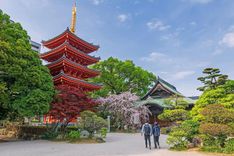
Most people visit Ueno (上野) for its park, Ueno Kōen, which is home to a host of good museums, including the prestigious Tokyo National Museum, plus a few relics from Kan'ei-ji, a vast temple complex that once occupied this hilltop. But Ueno also has proletarian, Shitamachi roots, and much of its eastern district has a rough-and-ready feel, which is best experienced in the market area of Ameyokochō.

Trip ideas for Japan

Crafted with by local experts

Japanese umbrella's
Crafted by Juliana

10 days

view trip ⤍
Asian Lanterns
Crafted by Juliana

10 days

view trip ⤍
Cherry blossoms in Japan
Crafted by Juliana

7 days

view trip ⤍
Imperial Palace, Tokyo
Crafted by Liz

10 days

view trip ⤍
Fushimi Inari Kyoto
Crafted by Liz

14 days

view trip ⤍
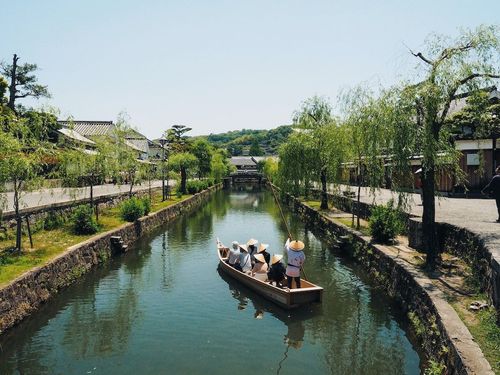
Kurashiki, Japan
Crafted by Liz

13 days

view trip ⤍
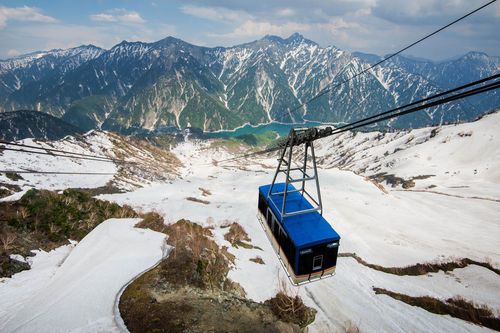
Cable car at Tateyama Kurobe Alpine Route, Japan © Shutterstock
Crafted by Lenny

12 days

view trip ⤍
Hakusan Shirakawago White Road © Ishikawa Prefecture Tourism League
Crafted by Lenny

13 days

view trip ⤍
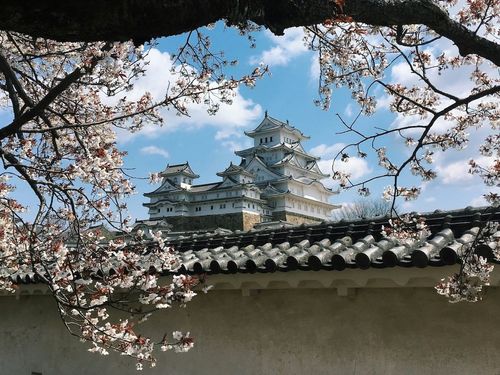
Himeji Castle, Japan
Crafted by Lenny

15 days

view trip ⤍
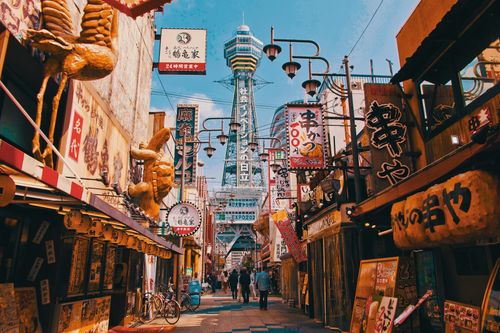
Osaka, Japan
Crafted by Lenny

9 days

view trip ⤍
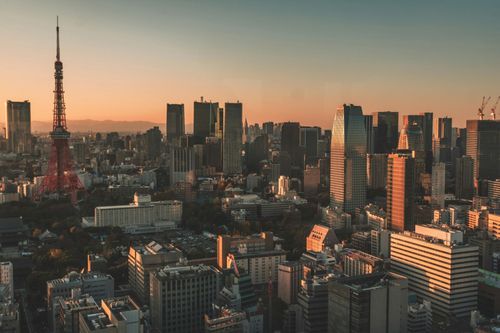
Tokyo

5 days

view trip ⤍
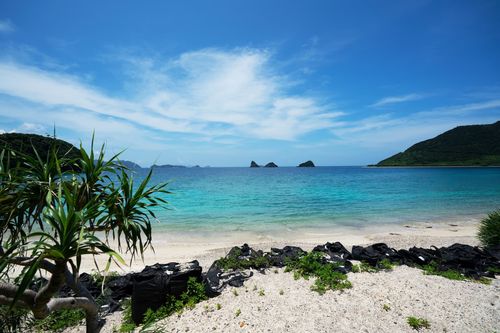
Amami, Japan

8 days

view trip ⤍
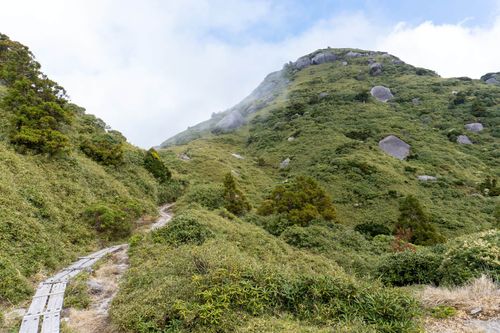
Yakushima, Japan

6 days

view trip ⤍
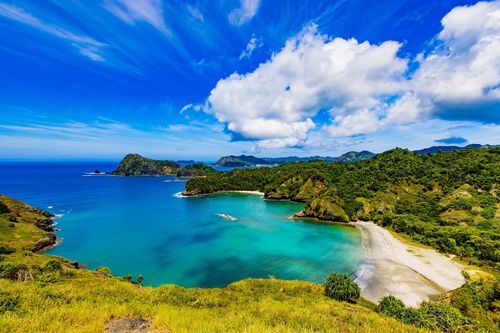
Ogasawara Islands, Japan

6 days

view trip ⤍
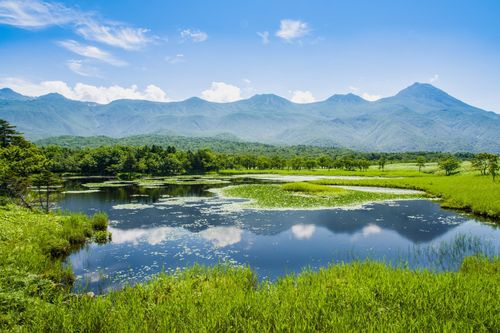
Shiretoko, Japan

6 days

view trip ⤍
See all Japan trip ideas

Ameyokochō

The bustling market area south of Ueno Station, Ameyokochō (アメ横丁), extends nearly half a kilometre along the west side of the elevated JR train lines down to Okachimachi Station. The name is an abbreviation of "Ameya Yokochō", or "Candy Sellers' Alley", dating from the immediate postwar days when sweets were a luxury and the hundreds of stalls here mostly peddled sweet potatoes coated in sugar syrup (daigakuimo). Since rationing was in force, black-marketeers joined the candy sellers, dealing in rice and other foodstuffs, household goods and personal possessions. Later, American imports also found their way from army stores onto the streets here, especially during the early 1950s during the Korean War, which is when the market was legalized. Today, Ameyokochō still retains a flavour of those early days: gruff men with sandpaper voices shout out their wares; stalls specializing in everything from bulk tea to jewellery and fish line the street; and there's a clutch of yakitori bars under the arches.

Yanasen

North of Ueno, Nezu (根津) and Yanaka (谷中) are two of Tokyo's most charmingly old-fashioned neighbourhoods and a world away from the usual hustle and bustle of the city. Along with neighbouring Sendagi (千駄木) they form an area referred to as Yanasen where you can experience a slower and more relaxed side of Tokyo. Strewn with small temples, craft shops, galleries and cafés, it's a great area to wander and make your own discoveries, but highlights include the historic and tranquil shrine Nezu-jinja (根津神社), picturesque and historic Yanaka Cemetery (谷中霊園) and the old-style shopping street of Yanaka Ginza.
For over 40 years, Rough Guides has been a trusted name in travel, offering expert-curated guides, inspiring articles, and tailor-made trips. Our passionate team of writers and local travel specialists provide in-depth insights into destinations worldwide, from iconic landmarks to hidden gems. We help you travel smarter and experience the world authentically.