Travel advice for Mexico
From travel safety to visa requirements, discover the best tips for visiting Mexico
- Central America & the Caribbean
- Mexico
Plan and book your private, tailor-made tour with vetted local experts
The weather in Mexico in February is one of the best you’ll get all year. It's dry and sunny almost everywhere, with warm beach temperatures on both coasts. Places like Cancun, the Riviera Maya, and Puerto Vallarta are in their prime, while Mexico City stays cooler but still pleasant for walking and sightseeing. Baja California is a highlight this time of year, especially for whale watching. Whether you’re into food, ruins, or relaxing by the sea, February brings ideal conditions across the country.
February is one of the best months to visit Mexico, with dry weather, warm temperatures, and plenty of festivals across the country.
February is one of the best months to travel in Mexico. Most places are sunny, dry, and warm without being too hot.
Rain is rare. Inland regions get around 5 to 15mm, and the coasts see about 10 to 20mm. The Yucatán might get a little more, but not enough to ruin plans. The Pacific coast stays clear and calm, great for swimming, and it’s peak season for whale watching in Baja.
The weather in Mexico in February makes it a busy time, especially around Valentine’s Day and Presidents’ Day. But it’s worth it for the sunshine, good beach conditions, and ideal temperatures for seeing ruins or walking around colonial towns. Just book ahead if you’re heading somewhere popular. This is a great month to plan your Mexico itinerary.

Copper Canyon, Mexico © Shutterstock
February is one of the best months for weather in Mexico. You’ll get warm, dry days almost everywhere, without the heat extremes of summer or the storms of hurricane season.
In most beach destinations like Cancún or Puerto Vallarta, you can expect daytime highs between 82 and 86°F (28 and 30°C). It’s slightly cooler in Mexico City, which sits at a higher elevation, with average highs closer to 75°F (24°C). Colonial towns in the highlands, like Guanajuato, usually hover around 77°F (25°C) during the day. Nights are cooler, especially inland, anywhere from 48 and 72°F (9 and 22°C), so it’s worth packing a light jacket if you’re heading to the mountains.
The Pacific and Caribbean coasts are both great for swimming, with ocean temperatures around 79 and 83°F (26 and 28°C). Rain is rare in February, and you’ll usually get 11 and 12 hours of daylight, most of it sunny. It’s peak season for good reason. Its ideal conditions for beaches, ruins, road trips, or just walking around comfortably in a t-shirt.
| Location | Daytime Temperatures | Nighttime Temperatures |
|---|---|---|
| Beach Resorts (Cancun/Puerto Vallarta) | 82 to 86°F (28 to 30°C) | 68 to 72°F (20 to 22°C) |
| Mexico City | 75°F (24°C) | 48 to 54°F (9 to 12°C) |
| Colonial Cities (Guanajuato) | 77°F (25°C) | 50 to 55°F (10 to 13°C) |
| Pacific Coast | 82 to 86°F (28 to 30°C) | 64 to 68°F (18 to 20°C) |
Ready to see Mexico? Have our local Mexico travel experts create the perfect customized itinerary.

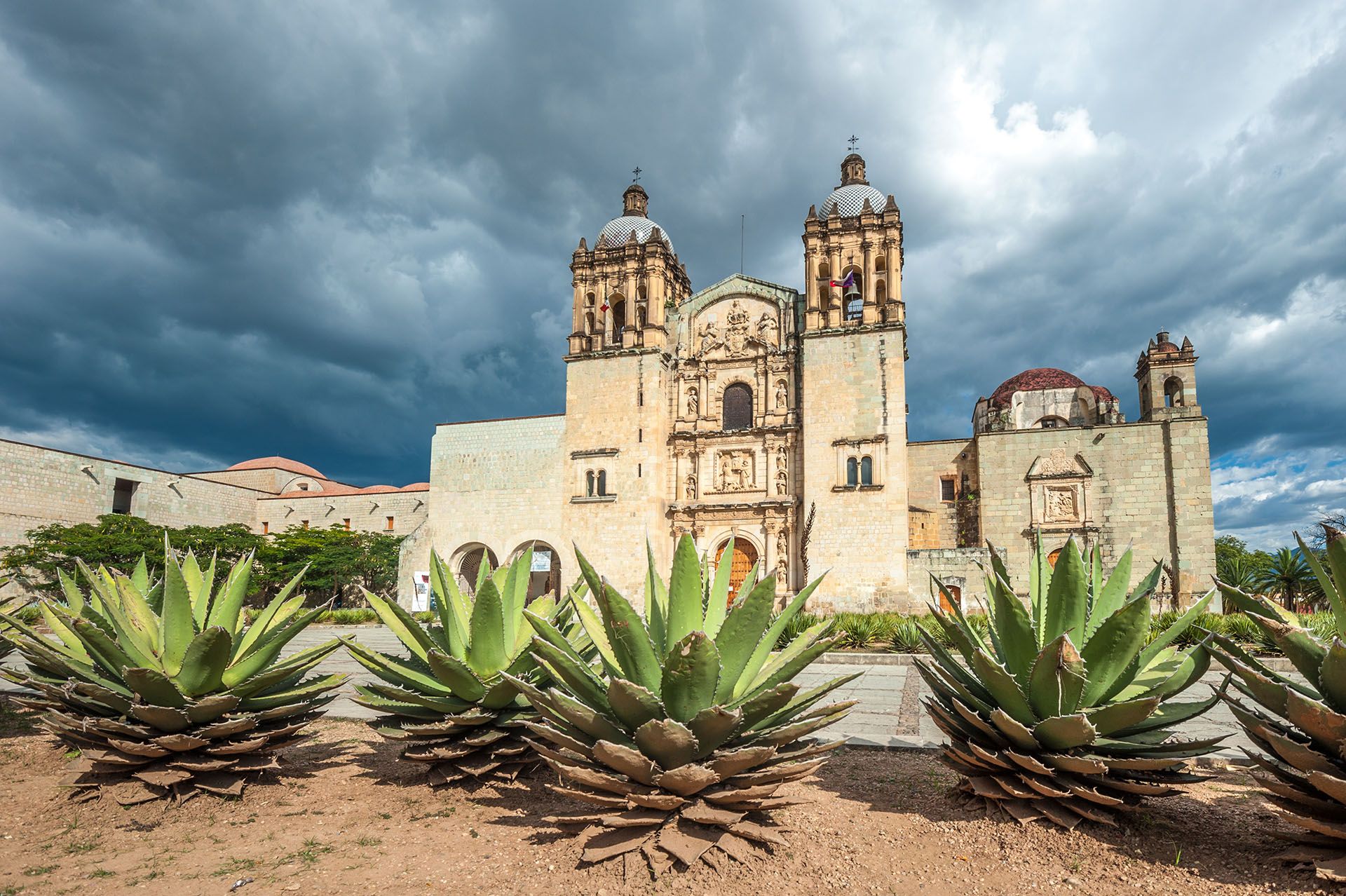
Church of Santo Domingo de Guzman in Oaxaca, Mexico © Shutterstock
February is one of the busiest months for travel in Mexico, so expect crowds in the most popular places and book ahead where you can. The dry season means clear skies and low humidity. Beaches are in their prime. In places like Cancun, Puerto Vallarta, and the Riviera Maya, the water is warm, the days are sunny, and it’s easy to spend all afternoon by the sea.
In Baja California, this is peak whale watching season. Gray whales gather near the coast, and boat tours run daily. Inland, Michoacán’s monarch butterfly sanctuaries are at their fullest. The forests feel alive in the early morning, when thousands of butterflies start to stir.
Mexico City stays dry and bright, perfect for exploring museums, markets, and archaeological sites without the summer heat. If you're there during Carnival, cities like Mazatlán and Veracruz go all out with parades and parties. In the highlands, colonial towns like San Miguel de Allende and Guanajuato have mild days and cool evenings, ideal for slow walks and long lunches outside. For more tips, see our guide to how to plan a trip to Mexico.
February sits firmly in Mexico’s high season. Popular beach destinations like Cancún, Playa del Carmen, and Cabo San Lucas are busy, with hotels and flights typically at their most expensive thanks to dry weather and winter sun demand. Crowds build through the month, with spring break travelers starting to appear toward the end of February. You’ll get excellent conditions, but flexibility is limited and reservation ahead is important.
If lower prices matter more than perfect weather, late April and May are generally quieter and cheaper, though temperatures rise. September to November tends to bring the lowest prices, balanced against hurricane season and more variable weather. March is best avoided if you want calmer beaches, while summer months attract more domestic travelers but can feel less crowded in international resort areas. If you're still deciding, see our guide to the best time to visit Mexico.

February might be the best overall month for travel in Mexico. You get warm, sunny days across the board, with dry skies in the interior and perfect swimming conditions on both coasts. It’s after the Christmas rush but before spring break, so prices are more reasonable and popular places feel less chaotic. Here are some of the best places to visit in Mexico.
The capital is calm and clear in February. It’s warm enough to spend the whole day outside but cool enough to keep you walking. Museums like the Anthropology Museum and Casa Azul aren’t stifling, and you can actually get space in front of the exhibits. In neighborhoods like Roma Norte and Coyoacán, people spill out into the plazas, and the cafes stay full. Teotihuacan is cooler and less crowded than usual, which makes climbing the pyramids feel doable. See how many days you need in Mexico City.
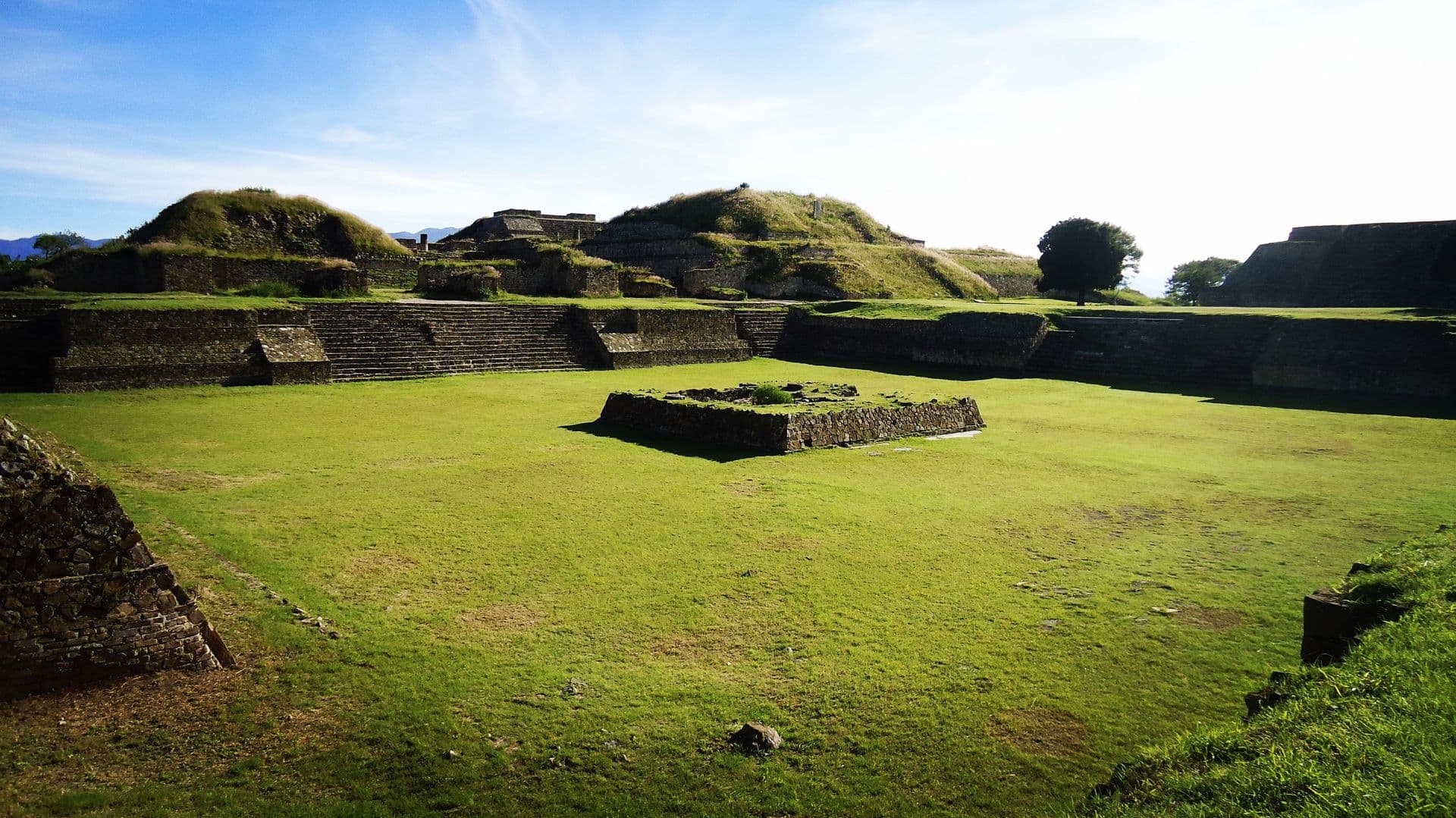
Oaxaca comes alive in February. The weather is perfect for market browsing, archaeological day trips, and long lunches outside. Monte Albán is dry and sunny, and the light is ideal for seeing the details in the stonework. In town, the food scene is in full swing. You can taste your way through moles and mezcal with no need to rush. Craftspeople in the nearby villages are working as usual, and they’re used to curious visitors who show up in the quieter months. The whole region feels open and welcoming.
The Riviera Maya hits its stride in February. The air is dry, the water is warm, and the trade winds take the edge off the heat. Beaches are postcard-perfect, but it’s not just about sunbathing. This is the best time for cenote snorkeling and reef diving, with high visibility and calm water. Ruins like Tulum and Coba are easier to explore without full sun overhead, and you can walk or bike between sites without getting drenched in sweat. Even jungle ziplines and eco parks are more fun when the air feels fresh instead of heavy. See our list of the best beaches in Mexico.

February in Mexico is packed with activity, from street festivals to nature encounters. Here are some of the best things to do in Mexico.
In Michoacán, February is peak season for the monarch butterfly migration. Millions of them cluster in the oyamel forests around El Rosario and Sierra Chincua, turning tree branches orange. To reach them, you’ll hike uphill through quiet pine woods. On sunny days, the butterflies start flying in waves around you, especially by late morning.
This is the best time of year to swim or dive in the cenotes around Tulum and Valladolid. The air is warm but not sweltering, and visibility in the water is excellent. Some, like Gran Cenote and Cenote Azul, are easy to access and good for swimming. Others, like Dos Ojos, are better with a guide and snorkel gear. If you’re scuba certified, there are deeper caves you can explore. See our list of the best cenotes.
Carnival takes over towns across Mexico in February, but each one does it differently. In Veracruz, you’ll see Afro-Caribbean influences with big brass bands and dance troupes. In Mazatlán, the focus is on huge floats along the seafront. Some towns, like Tlaxcala, keep things more traditional with masks and indigenous dances. For more advice, see our Mexico travel tips.

Our Mexico itineraries are crafted to help you experience the best of the country, stress-free. Think of them as a starting point—perfect for planning but flexible enough to adjust to your own pace and interests. After all, travel is about freedom, but a little planning goes a long way.
From travel safety to visa requirements, discover the best tips for visiting Mexico
Discover Mexico's most captivating stories
Arrange your trip, hassle-free, with local travel experts
Arrange your trip with local travel experts