Italy Weather in March

Select Month

start planning

Italy welcomes spring with open arms in March, making it the perfect and popular time to explore the landscapes of Tuscany and historic cities like Verona, Milan and Naples. The timeless beauty of Rome's ancient ruins starts to get busy as the vibrant blossoms of The rose, iris and boboli yards of Florence begin to bloom. Easter in and around Vatican City is the big draw in March, whilst warm Sicily offers potential beach time. Make sure to read all our tips about the Italy weather in March.

Italy in March at a glance

March brings early spring to Italy with mild weather, blooming landscapes, and fewer tourists, though northern regions remain cool and skiing is still possible.

  • Average temperatures from 46°F to 61°F (8°C to 16°C), warmer in the south and cooler in northern regions
  • Good time to visit for cultural sightseeing and lower crowds, though beach season hasn't started yet
  • Low season means significantly reduced tourist numbers and lower prices, except during Easter if it falls in March

What is the weather like in Italy in March?

The weather in Italy in March brings the first real signs of spring, with longer days and early blooms starting to appear. It’s still shoulder season, so cities like Rome and Florence feel less crowded, and you’ll have more space to explore piazzas, yards, and museums.

March is mild in the center and south, though the north stays cool and some mountain areas still see snow. Rain can fall in short bursts, but it's rarely enough to interrupt a full day of sightseeing. You can ski in the Alps or wander through vineyards in Tuscany, all in the same week. For travelers who want a mix of cultural highlights and nature, March hits a sweet spot between seasons. This is a great time to plan your Italy itinerary
 

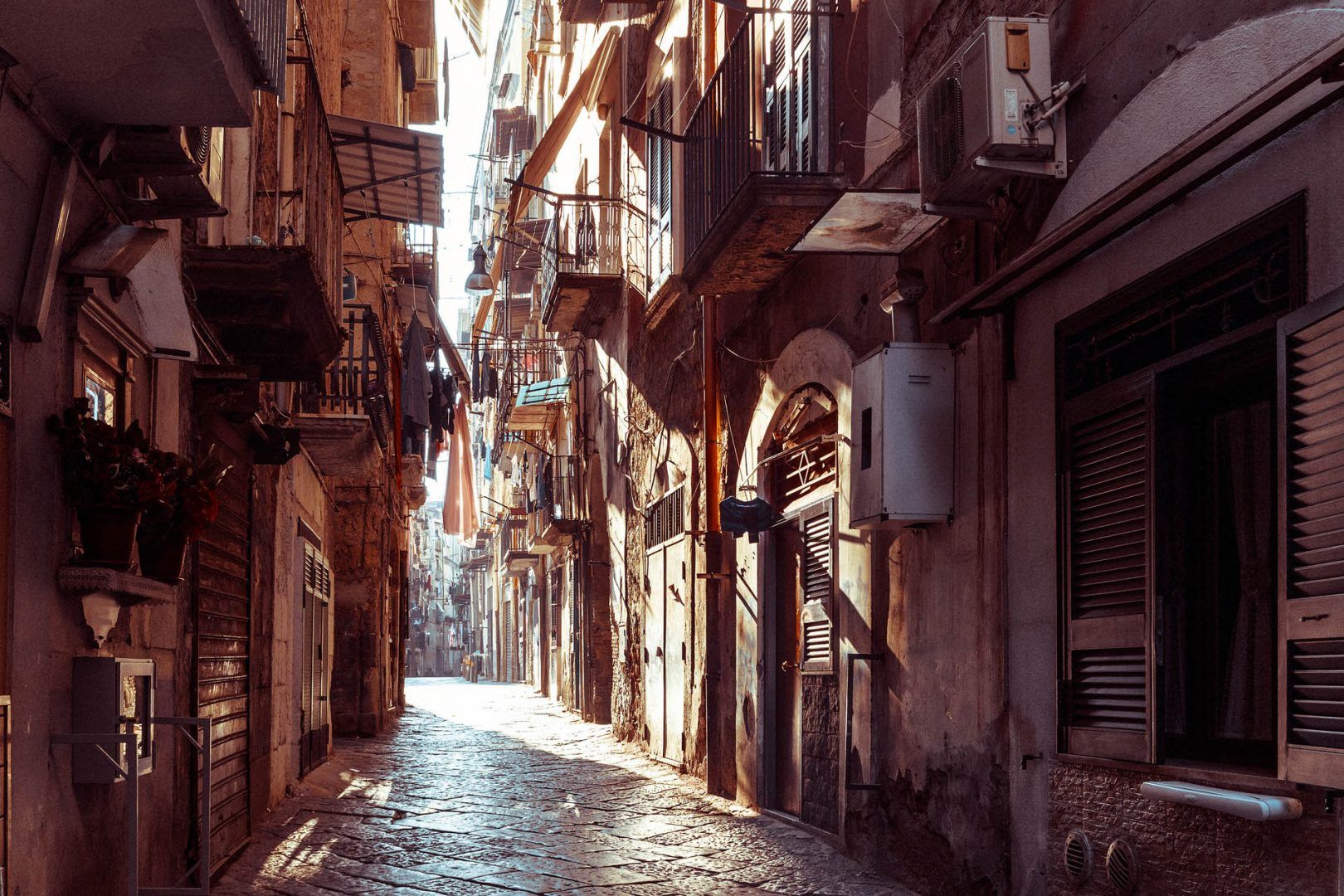
naples-old-town-shutterstock_409503061

Naples Old Town @ Shutterstock

Average daily temperatures in March

Italy starts warming up in March, especially in the central and southern regions. Cities like Rome see highs of 58 to 63°F (14 to 17°C) and cooler nights between 42 to 48°F (6 to 9°C). Northern cities like Milan remain a bit chillier, ranging from 45 to 58°F (7 to 14°C), while the south, including Sicily, often reaches 60 to 65°F (16 to 18°C). Spring showers are common, especially in the north and central areas.

Sea temperatures are still too cold for swimming, usually 57 to 60°F (14 to 16°C). The days are getting longer, and spring flowers start to show up across the countryside. March is a great time to explore cities and cultural sites without the summer crowds.

LocationDaytime temperaturesNighttime temperatures
Rome (central)58 to 63°F (14 to 17°C)42 to 48°F (6 to 9°C)
Milan (north)45 to 58°F (7 to 14°C)36 to 43°F (2 to 6°C)
Sicily (south)60 to 65°F (16 to 18°C)48 to 52°F (9 to 11°C)
Venice area50 to 57°F (10 to 14°C)39 to 45°F (4 to 7°C)

Ready to see Italy? Have our local Italy travel experts create the perfect customized itinerary.
 

Positano, italy. Amalfi Coast © iacomino FRiMAGES/Shutterstock

Positano, italy. Amalfi Coast © iacomino FRiMAGES/Shutterstock

Is March a good time to visit Italy?

March is when Italy starts to wake up from winter. Flowers bloom in the countryside, and cities like Rome and Florence are noticeably less crowded than they will be in April or May. It’s warm enough for long walks and long lunches outside but still cool enough that you won’t be sweating through your shirt.

Up north, it might still feel like winter, especially in the mountains. But southern regions like Sicily or Puglia are already leaning into spring. Some coastal areas and islands begin to reopen after their winter break, and Easter prep may be underway late in the month. For more tips, see our guide to how to plan a trip to Italy.

  • Fewer tourists than in spring high season
  • Flowers blooming across regions
  • Comfortable for city walking and sightseeing
  • Coastal areas start to reopen
  • Chance to catch early Easter events

What about the crowd and cost?

Tourist numbers in Italy start to climb in March, but it’s still relatively calm. You can enjoy big cities like Rome and Florence without feeling overwhelmed. Venice stays quiet until Easter, which sometimes falls in late March and pushes up both prices and crowds.

Accommodation is still cheaper than peak summer, especially if you go early in the month. Come April and May, rates rise fast and crowds swell. For decent deals and milder travel days, March works well — especially if you want to avoid both the winter closures and the full summer crush. See more in our guide to the best time to visit Italy
 

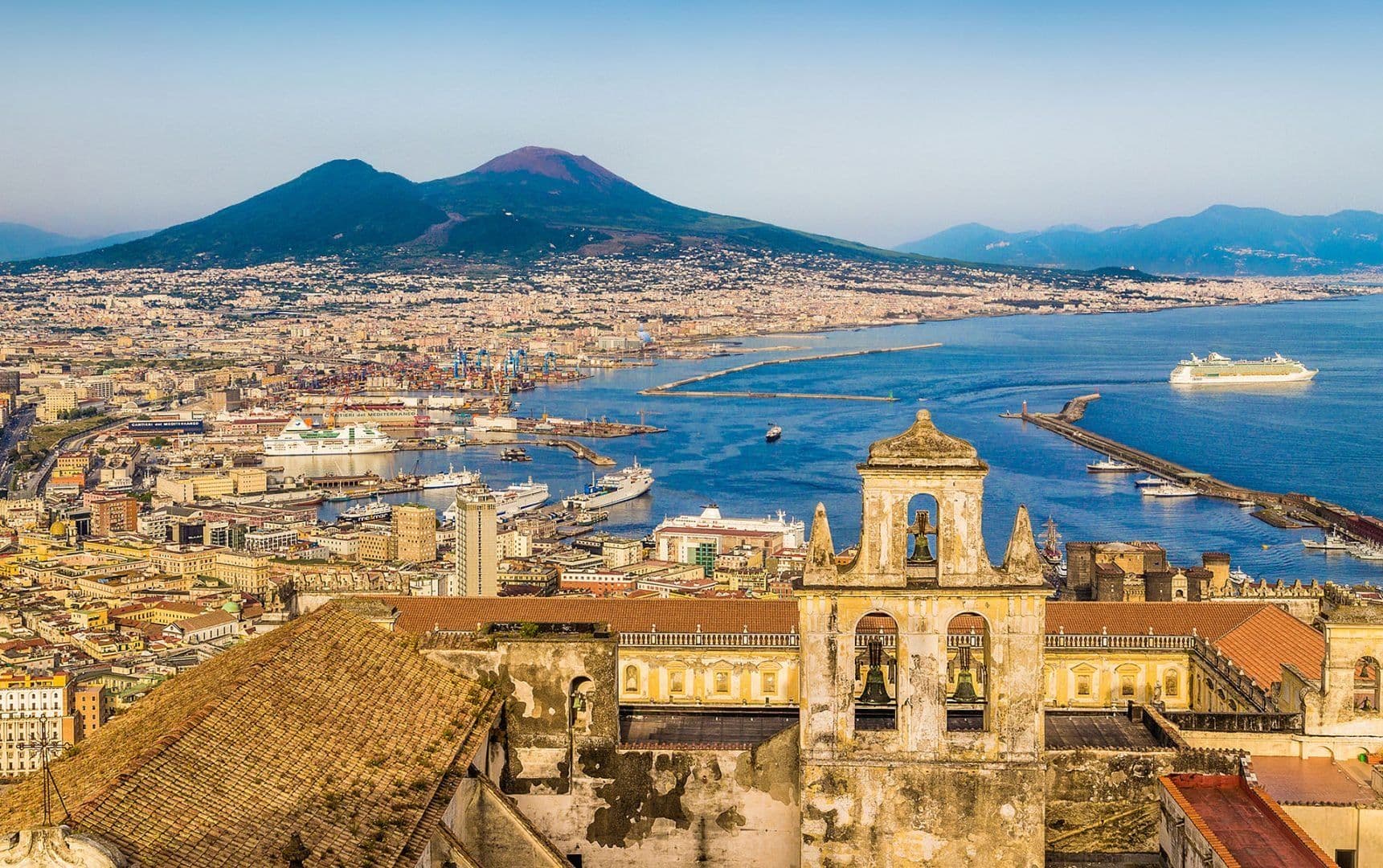
Naples Italy

Where to go in Italy in March

March is when Italy starts to feel fresh again. Trees bud out, restaurants open their patios, and locals ease back into daily routines after winter. It’s a time for city walks, countryside drives, and early spring festivals.  Here are some of the best places to visit in Italy

Rome

Rome in March means shorter lines at the big sites and better light for photos in the Forum. The Colosseum feels less packed, and you can visit the Vatican without long waits. Cafés around Trastevere and Campo de’ Fiori spill into the streets, especially on sunny afternoons. You’ll spot spring flowers in Villa Borghese and street musicians around the Spanish Steps. It’s a good time to just walk until your feet get tired. See our favorite day trips from Rome

Florence and Tuscany

Florence is less crowded in March, so you can get into the Uffizi or the Duomo with minimal delay. Tuscan hills start turning green again, with early wildflowers along backroads. Towns like Lucca and Volterra are quieter, and wine producers in Chianti begin their spring prep. Markets carry more local greens, and trattorias shift menus to match. It’s still cool, but the light is soft and everything starts to feel alive again.

Sicily

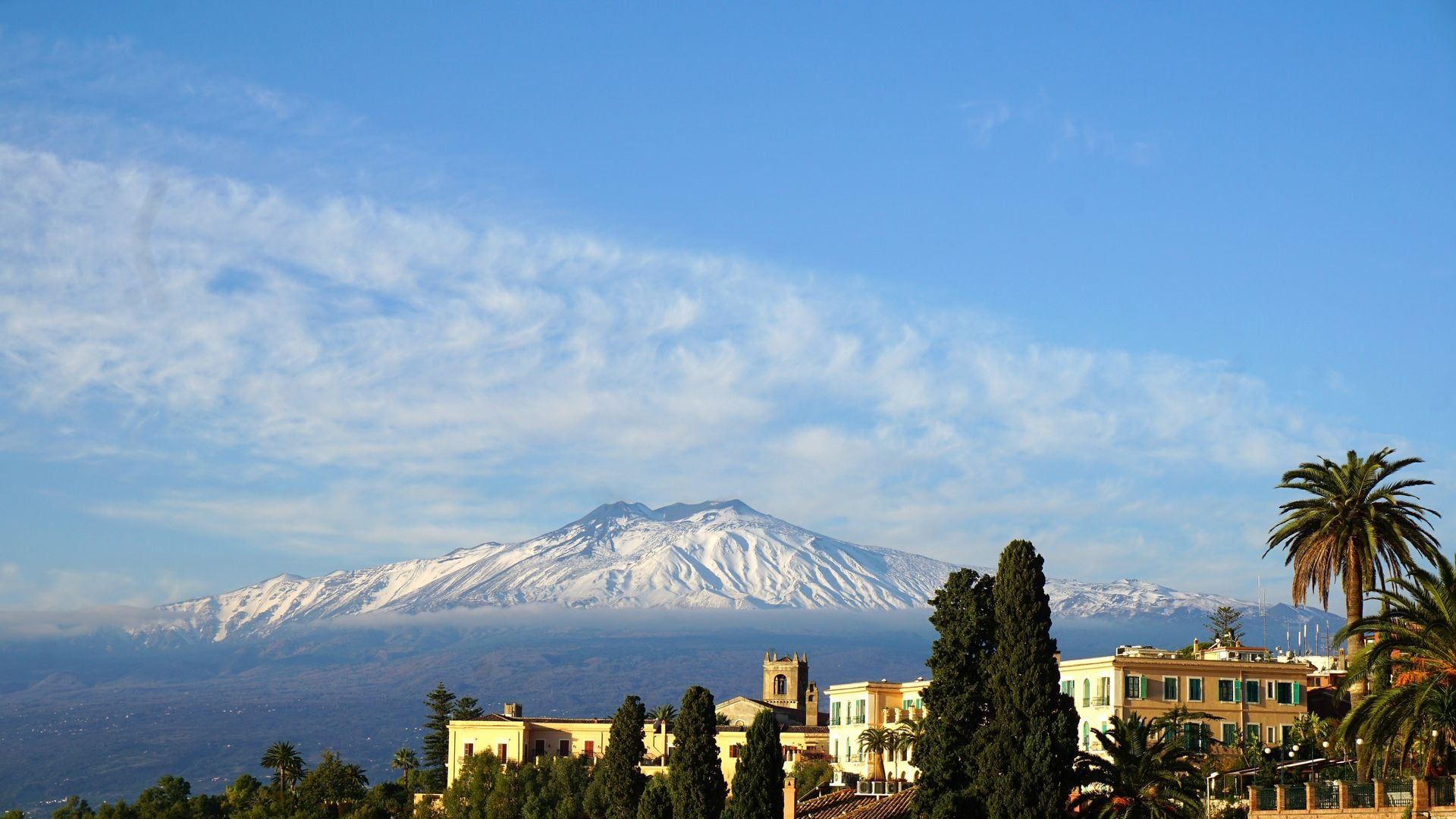
Sicily wakes up early, with citrus trees still fruiting and almond blossoms blooming across the island. You can ski on Etna in the morning and walk the beach by late afternoon. Agrigento’s temples stand tall in the sun, and Palermo’s markets smell of fennel, citrus, and grilled fish. Easter is around the corner, so small towns begin preparations, especially around churches. It’s a good time to visit if you want variety in one trip.

Etna

What to do in Italy in March

March is a shoulder season month in Italy, which means fewer crowds and a good mix of city life, countryside escapes, and food-focused experiences. Spring starts showing up in markets and hillsides, while many festivals and traditions begin building toward Easter. Here are some of the best things to do in Italy

Explore Vatican City

If you’re in Rome, this is one of the best times to visit the Vatican. Lines are shorter, the museums feel less rushed, and there’s space to actually look at the Sistine Chapel ceiling without being shoulder to shoulder. Morning visits are especially peaceful. You can also climb the dome at St. Peter’s or book a small-group yard tour. 

Visit Tuscan wineries

The vines are still bare in March, but wineries are open and preparing for the growing season. It’s a quieter time to meet winemakers, walk through cellars, and taste older vintages without the crowds. Some offer cooking classes with seasonal ingredients like artichokes or wild greens. Roads through Chianti or Val d’Orcia are still clear, making for easy day trips. See our favorite things to do in Tuscany

Take a cooking class

March is a great time to take a hands-on class in cities like Bologna, Naples, or Florence. You’ll learn how to make pasta or regional dishes like risotto with early spring vegetables. Most classes start with a market visit and end with a communal meal paired with local wine.
 

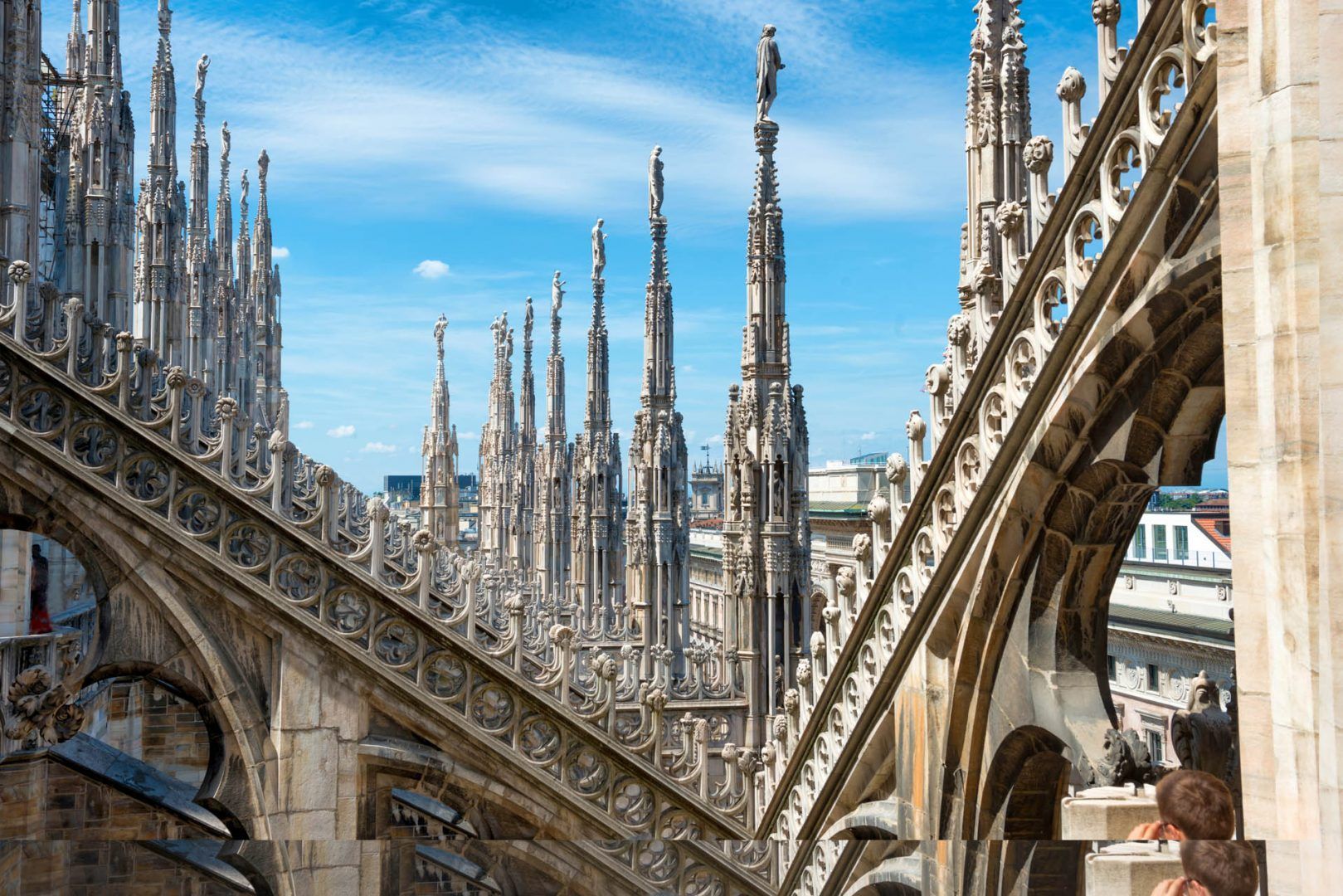
Milan duomo cathedral roof, Italy

Planning your itinerary

Our Italy itineraries are crafted to help you experience the best of the country, stress-free. Think of them as a starting point — perfect for planning, but flexible enough to adjust to your own pace and interests. After all, travel is about freedom, but a little planning goes a long way.

  • Italy itinerary 5 days: A quick trip to Italy’s must-see spots, usually focused on one or two iconic cities. Perfect if you want a taste of Italy’s famous art, history, and cuisine.
  • Italy itinerary 7 days: A week in Italy allows you to experience both city life and a bit of countryside charm. You’ll have time to explore major sights and get a feel for Italy’s local culture.
  • Italy itinerary 10 days: Ten days offers a good balance between Italy’s cities and scenic regions. You can enjoy both bustling urban highlights and quieter rural areas at a comfortable pace.
  • Italy itinerary 14 days: With two weeks, you can take a deeper dive into Italy’s diverse regions. This itinerary covers a variety of landscapes, from historic towns to rolling vineyards and coastal views.
  • Amalfi coast itinerary: A dedicated trip to Italy’s breathtaking Amalfi Coast, known for its cliffside villages and stunning sea views. Perfect for leisurely days exploring charming towns and relaxing by the water.
  • Tuscany itinerary: Explore the heart of Tuscany, famous for its medieval towns, vineyards, and Renaissance art. Ideal for wine tasting, scenic drives, and soaking up Italy’s countryside beauty.
  • North Italy itinerary: A journey through northern Italy’s rich culture, lakes, and mountains. Expect elegant cities, picturesque lake towns, and a taste of Italy’s alpine regions.
  • South Italy itinerary: Discover the unique character of southern Italy, from ancient ruins to sun-drenched beaches. This itinerary captures the laid-back vibe and rich traditions of Italy’s south.
Ties Lagraauw

written by
Ties Lagraauw

updated 08.01.2026

Ties is a true world explorer - whether it be for work or leisure! As Content Manager at RoughGuides, and the owner of Dutch travel platform Reis-Expert.nl, Ties is constantly on the move, always looking for new destinations to discover.