Travel advice for Greece
From travel safety to visa requirements, discover the best tips for visiting Greece
- Greece
- Athens
- Santorini
- Crete
- Peloponnese
- Mykonos
Plan and book your private, tailor-made tour with vetted local experts
Not sure what weather to expect when you travel to Greece in March? Read on for a run-down through everything you need to know on that very subject. Here we cover everything from average air and sea temperatures, to what to expect in terms of costs and crowds, along with itineraries designed to make your trip all the most rewarding.
March marks the start of spring in Greece, but winter isn’t fully gone yet. You’ll still need layers, especially in the evenings, but daytime temperatures begin to warm up—especially in the south. Rain is possible, though not constant, with Athens averaging around 40 to 45mm this month.
Island travel starts to pick back up, though some ferry routes still run on a reduced schedule. Many smaller islands are still quiet, but bigger spots like Crete or Rhodes begin to stir. On the mainland, archaeological sites and cities like Athens and Thessaloniki are pleasant to explore without the summer heat or crowds.
It’s still too early for a beach vacation, but March can be a great time for a cultural trip. With fewer tourists, open museums, and the first signs of spring, it’s a good month to start planning your Greece itinerary.

Interested in the weather in Greece in March? Expect a mixed bag of sun and rain. Crete © Shutterstock
Overall, the weather in Greece in March is variable. Expect a mixed bag of clouds and rain, alongside brighter, warmer days.
As for the average air and sea temperatures in Greece in March, they vary depending on where you are in the country. Athens, for example, averages a pleasant 61°F (16°C). So, by no means balmy, but a far cry from frozen chills.
In contrast, Northern Greece only sees average highs of 54°F (12°C). The weather is also more variable in the north, with more rain.
For warmer weather, head to the southern peninsula of the Peloponnese, or choose an island. For example, Crete is often several degrees warmer than Athens in March.
Wherever you go, the evenings will still be cool, and the sea temperature ranges from 57°F to 61°F (14°C to 16°C). Not exactly ideal for swimming! Also, bear in mind that the weather in Greece in March is very different at either end of the month. That is to say, by the last couple of weeks, spring is well and truly in the air.
| Location | Daytime Temperatures | Nighttime Temperatures |
|---|---|---|
| Athens | 57°F (14°C) | 43 to 46°F (6 to 8°C) |
| Northern Greece (Thessaloniki) | 50°F (10°C) | 37 to 41°F (3 to 5°C) |
| Greek Islands (Crete/Rhodes) | 59°F (15°C) | 46 to 48°F (8 to 9°C) |
| Central Greece | 52 to 55°F (11 to 13°C) | 39 to 43°F (4 to 6°C) |
Ready to see Greece? Have our local Greece travel experts create the perfect customized itinerary.

The Ancient Theatre of Epidaurus, Peloponnese © Shutterstock
March marks the start of spring in Greece, and while it’s still considered the shoulder season, it’s a great time for a quieter, more affordable trip. Tourist numbers are still low, especially early in the month, so you can enjoy major sites without the crowds—and without peak-season prices.
Cities like Athens and Thessaloniki start to warm up, making it comfortable to explore ancient ruins, museums, and neighborhoods on foot. Wildflowers begin blooming across the countryside, and on warmer days, you’ll get a hint of the Mediterranean sunshine to come. Just be prepared for mixed weather—rain showers are still common, and evenings can be chilly, so pack layers and a light waterproof jacket.
Island travel slowly begins to ramp up. Larger islands like Crete and Rhodes feel more alive than in winter, though ferry schedules and smaller island towns may still be limited.
March may not be beach season, but if you’re looking for cultural experiences, scenic hikes, or a peaceful pace, it’s a great time to go. For more tips, see our guide to how to plan a trip to Greece.

Visit Knossos in Crete in March for sightseeing in a relatively deserted location © Shutterstock
Sitting firmly in the shoulder season, visiting Greece in March means far smaller crowds than during the peak summer months — all the better for enjoying more authentic experiences, and getting up close to top attractions.
At the same time, the costs are lower than during the summer high season. Just be aware that not all accommodation options will have opened their doors, and ferry operators and airlines won’t be running their full summer schedules. See more in our guide to the best time to visit Greece.

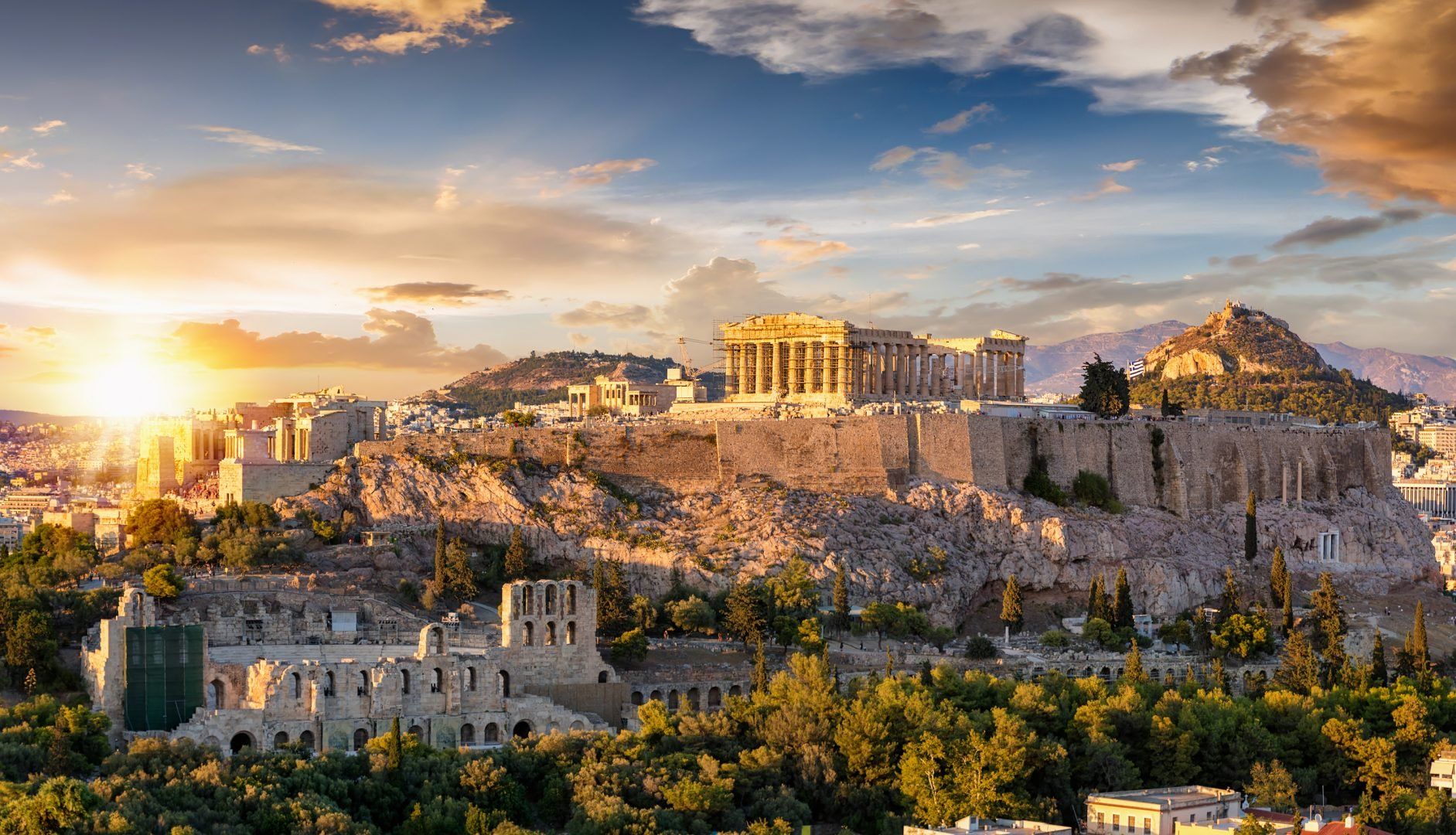
The Acropolis in Athens during a spring sunset © Shutterstock
March is when Greece starts to breathe again. The days get longer, the almond trees start blooming, and the crowds haven’t shown up yet. It’s still not beach weather, but if you’re here for nature, food, and local life, there’s plenty to enjoy. Here are some of the best places to visit in Greece.
Greece’s second city is a good bet in March. It’s warmer than much of northern Europe, and the café culture never really stops here. Byzantine churches, seafront strolls, and an excellent food scene make it feel more like a long weekend than a history lesson. March is also shoulder season for local events, so you might stumble into a market or street fair without trying.
Pelion in early spring is green, quiet, and perfect for scenic drives or slow walks between villages. Stone-built towns like Makrinitsa and Tsagarada start to wake up after winter, and local guesthouses feel extra cozy. It’s not warm enough to swim, but the sea views are crisp and clear, and trails through chestnut forests and hillside orchards are great this time of year.
Down in the southern Peloponnese, Kalamata gets early sunshine and a mellow pace in March. The old town is walkable, and the nearby Mani Peninsula is ideal for a short road trip—stone villages, olive groves, sea views, and barely any traffic. Spring flowers start blooming in the hills, and you’ll have places like Kardamyli all to yourself.

Love sipping sunny cocktails in Santorini in March? Bring along a jacket for the cooler evenings © Shutterstock

Samaria Gorge, Crete, Greece © proslgn/Shutterstock
Overall, March is a top month to visit Greece to explore the likes of ancient sites and museums in crowd-free conditions. For those of you who are yearning for spring sunshine, the Greek Islands have your name all over them. Here are some of the best things to do in Greece.
While you might not be sunbathing from dawn ‘til dusk, or soaking in bath-warm sea, several Greek islands remain lively around the year and see warm days in March.
Rhodes, for example, comes recommended for offering scenic spring walks, ancient wonders, year-round tourist infrastructure, and year-round liveliness.
With the Citadel of Rhodes boasting one of the best-preserved Old Towns in the world — and a UNESCO World Heritage Site no less — there are plenty of reasons the largest of the Dodecanese islands is one of Greece’s best-loved islands.
With parades happening throughout the country, the 25th of March is Greek Independence Day. A day citizens take to the streets to commemorate the country’s independence from the Ottoman Empire.
In Athens, for example, a grand 90-minute military parade kicks off from Syntagma Square, with the Greek President and members of the Greek Orthodox Church in attendance.
Top tip: follow your nose to sample tasty, traditional Independence Day fodder. Namely, bakaliaros skordalia — fried salted cod steeped in garlic sauce and olive oil.
Including a marathon, half-marathon, 5km, and 2.5 km fun run, the Nafplio Marathon is great for higher-preforming athletes and novices alike.
Held in early March, in the stunning coastal Peloponnese town of Nafplio, the races are accompanied by social and cultural events.

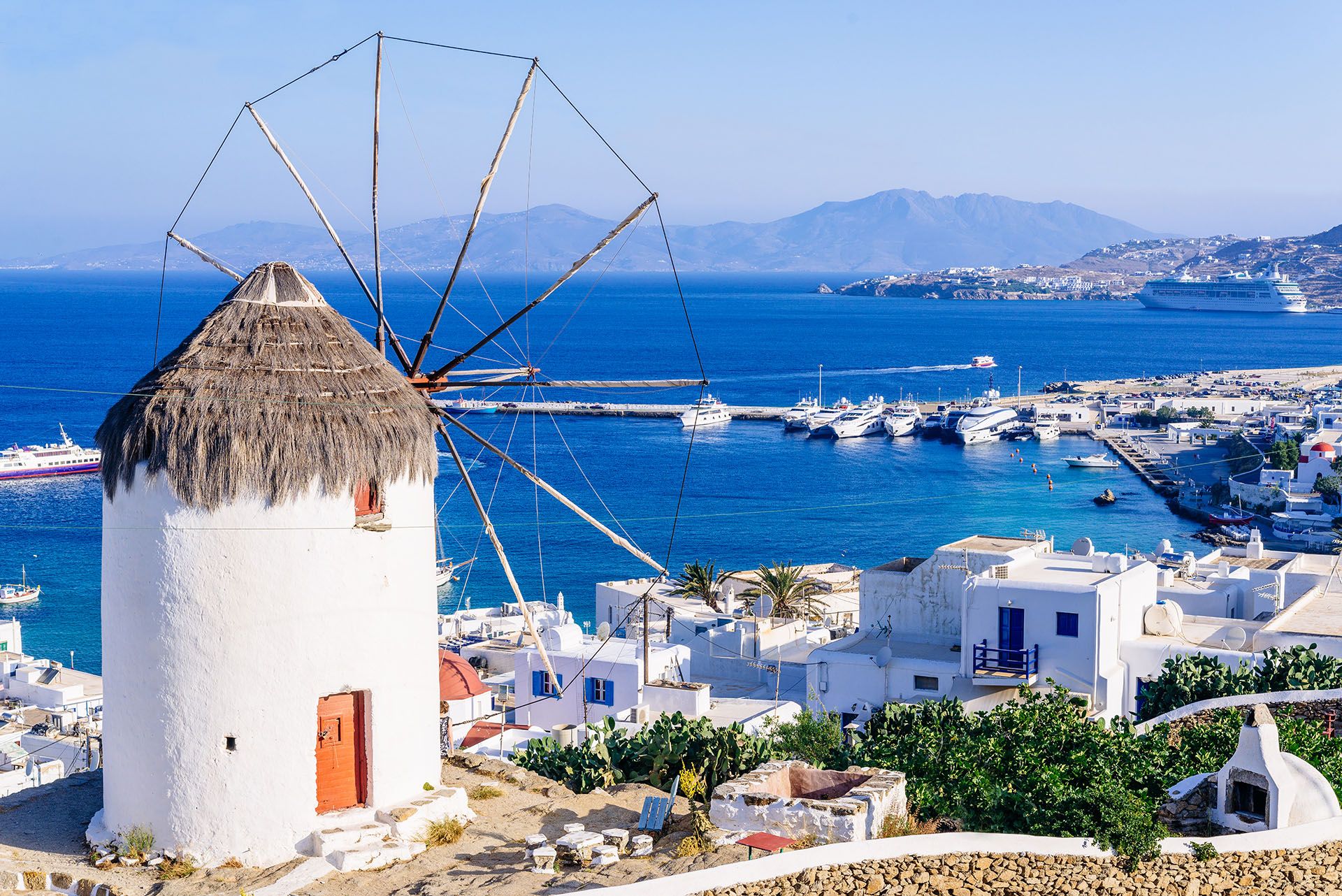
Mykonos © Shutterstock
Our Greece itineraries are crafted to help you experience the best of the country, stress-free. Think of them as a starting point — perfect for planning, but flexible enough to adjust to your own pace and interests. After all, travel is about freedom, but a little planning goes a long way.
From travel safety to visa requirements, discover the best tips for visiting Greece
Discover Greece's most captivating stories
written by
Joanne Owen
updated 08.01.2026
Joanne is a Pembrokeshire-born writer with a passion for the nature, cultures and histories of the Caribbean region, especially Dominica. Also passionate about inspiring a love of adventure in young people, she’s the author of several books for children and young adults, hosts international writing workshops, and has written articles on the Caribbean and inspirational community initiatives for Rough Guides. Follow her @JoanneOwen on Twitter and @joanneowenwrites on Instagram.
Arrange your trip, hassle-free, with local travel experts
Arrange your trip with local travel experts