
written by
Olga Sitnitsa
updated 04.12.2025


Planning your own trip? Prepare for your trip
Use Rough Guides' trusted partners for great rates
A total solar eclipse is one of those moments that rewires your sense of scale. Daylight thins, the air feels different, and suddenly the Sun is replaced by a dark disk edged with a pale halo you can only see when the Moon lines up perfectly. If you’re wondering when to see the solar eclipse in 2026, mark your calendar for 12 August 2026.
This rare event will be visible across parts of the Arctic, Greenland, Iceland, and northern Spain, turning some of the world’s most dramatic landscapes into front row seats for a sky show that lasts only minutes, but sticks with you for years.
The total solar eclipse happens on 12 August 2026, and the best places to see totality are Greenland, Iceland, and northern Spain, with the shadow then sweeping out across the Atlantic Ocean. Think of it as a narrow moving corridor. If you are inside the path of totality, the Moon fully covers the Sun, and you get the full experience: daylight collapses into an eerie twilight, and the Sun’s corona becomes visible.
Outside that narrow path, a much larger area will still get a partial eclipse, which is impressive but does not deliver the sudden, all-in transformation that makes totality so sought after.
The National Solar Observatory’s interactive map is a great planning tool because it shows the eclipse track and helps you line up viewpoints with timing. As NSO puts it, “The eclipse will pass over the Arctic Ocean, Greenland, Iceland, Atlantic Ocean, Portugal, and northern Spain.” Use the map to pick a base that matches your travel style.
Greenland offers remote, expedition energy. Iceland pairs big landscapes with relatively simple logistics. Northern Spain combines easy access with a memorable atmosphere, since many travelers can fold the eclipse into a wider trip of food, culture, and coastline.
If you’re searching for where to see the solar eclipse in 2026, start by focusing on places that pair a clear view of the sky with an easy, enjoyable travel plan on the ground. The top picks sit along the path of totality, where you can experience the full blackout and the eerie twilight that comes with it.
Choose a base with good transport, plenty of places to stay, and nearby open viewpoints so you can adapt on the day if clouds drift in.
Northern Spain is one of the most convenient and rewarding areas to plan around, thanks to its mix of city comforts and wide open landscapes. Bilbao, San Sebastián, Pamplona, Burgos, and Zaragoza all lie close to or within the path of totality, giving you multiple options for where to stay and where to position yourself for the main event.
It’s ideal for eclipse travel for three big reasons. First, summer brings generally stable conditions in many inland areas, improving your odds of a clean view. Second, the region has excellent infrastructure, including fast trains, good roads, and a wide choice of accommodation, which matters for an event that attracts a lot of visitors. Third, you are not just traveling for the sky. You are landing in a part of Europe packed with distinct local culture, from seaside promenades to medieval old towns.
Once eclipse day is in the bag, it’s easy to build an entire trip around it. Combine the eclipse with Basque Country food tours, Rioja wine routes, or a scenic drive through northern Spain’s mountains and coast, with plenty of rewarding stops in between.
Plan a tailor-made eclipse trip across northern Spain with Rough Guides’ local experts.

Zaragoza, Aragon, Spain: Basilica of Nuestra Senora del Pilar and Ebro river
Iceland is a standout choice for eclipse chasers because it offers a rare mix of big sky scenery and a strong chance to catch a long stretch of darkness. Iceland will enjoy one of the longest durations of totality, up to around 2 minutes, which is enough time to notice the shifting light, the sudden hush, and the corona hanging around the Sun like a fine halo.
For the best views, focus on the north and northeast, where open horizons and smaller towns can make eclipse day feel less crowded. Akureyri is a practical base with good services and easy day trips. Húsavík adds a charming harbor town atmosphere with wide views over the water. If you want to lean into the adventure, the remote Highlands deliver huge, uncluttered landscapes that feel made for sky watching, as long as you plan carefully for road conditions and access.
An eclipse trip here also stacks beautifully with classic Iceland experiences. Build in geothermal adventures like hot springs and steamy lagoons, chase waterfalls on day drives, and add whale watching for a completely different kind of awe.
One honest caveat is the weather. Icelandic skies can be unpredictable, and clouds can roll in quickly. The upside is that even if you end up moving plans at the last minute, the scenery rarely disappoints, and the journey itself becomes part of the story.

Icelandic horse in the "midnight sun" in Akureyri
Greenland is the choice for intrepid travelers who want their eclipse with a serious dose of wilderness. The path of totality cuts across eastern Greenland, where vast ice fields, jagged mountains, and quiet fjords create an unforgettable setting for the moment the Sun disappears.
This is a place where eclipse day can be part of a larger Arctic journey. Combine your viewing plans with glacier cruises that slip between towering icebergs, look out for Arctic wildlife like seals and whales, and seek out Inuit cultural experiences in the communities you visit, from local storytelling to regional crafts and food.
A practical note: Greenland’s biggest challenge is access. It’s remote, services are limited, and travel plans depend heavily on weather and logistics. For most travelers, the easiest way to do it well is via expedition cruises that are already designed for these conditions, or private charters if you are building a custom itinerary. The payoff is huge: fewer crowds, raw landscapes, and a feeling of being right at the edge of the world when the sky goes dark.
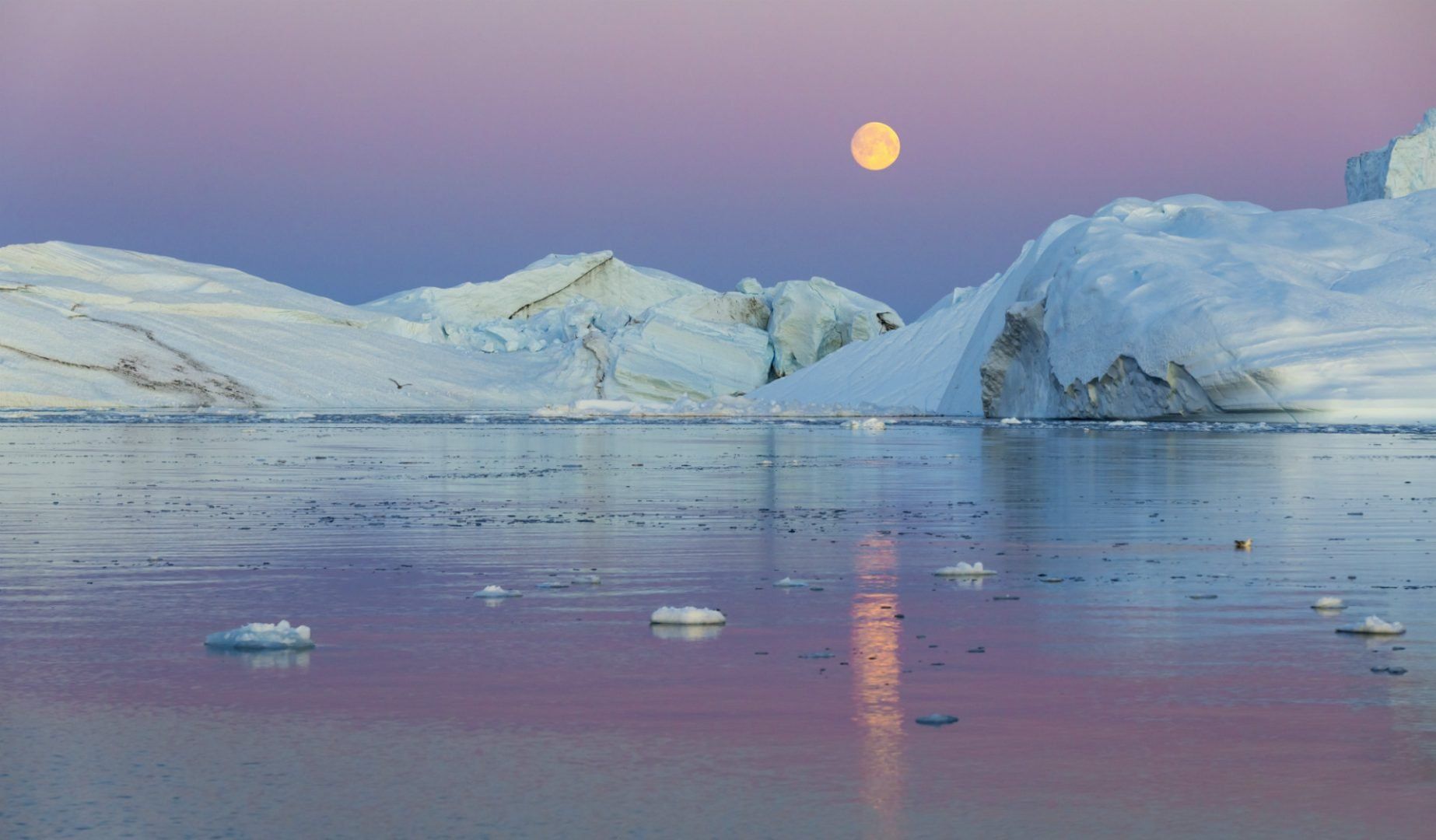
Greenland @ Shutterstock
For a different kind of eclipse trip, look to expedition cruises that follow the eclipse path at sea, with some itineraries positioned between Iceland and northern Spain. This approach can be especially appealing because it turns the main challenge of eclipse travel, being in exactly the right place at exactly the right time, into part of the service.
These cruises are ideal for travelers who want confident positioning and an adventure on the water. A ship can adjust course for clearer skies and fine-tune its location along the track, which is a big advantage in regions where clouds can drift in quickly. You also get a front row horizon with no buildings, no traffic, and no last-minute scramble for a viewpoint.
The trip around eclipse day can be just as memorable. Many routes include Arctic Circle crossings, visits to dramatic coastlines, and wildlife-focused excursions, depending on the ship and season. Some sailings also include night sky experiences. Northern lights sightings are not a given in August, but if your cruise extends into darker weeks later in the season, it can become a bonus rather than a reason to book.
Ask our experts about tailor-made eclipse cruises with astronomer guides.
Planning for the solar eclipse in 2026 is part astronomy, part smart travel logistics. Start with the big decision of where to see the solar eclipse in 2026. Northern Spain is the easiest option to organize, with strong transport links and lots of bases near the path of totality, while Iceland adds wilder scenery and a more adventurous feel.
If you want a ready-made framework, this is a great moment to build an Iceland itinerary or a Spain itinerary specifically around eclipse day, then expand it into a wider trip.
Accommodation in the path of totality tends to sell out far ahead of time, and prices can climb as the date approaches. If you are planning a trip to Spain, look at a couple of possible bases so you have options in case one city fills up. If you are planning a trip to Iceland, the same advice applies, but with even more emphasis on securing rooms and transport early.
Clear skies are the difference between a good day and an unforgettable one. Northern Spain generally offers some of the better odds for clear weather in mid-August, while Iceland’s skies are famously changeable.
The tradeoff is that Iceland delivers dramatic landscapes even on non-perfect days, and those landscapes can make the whole trip feel bigger than the eclipse itself.
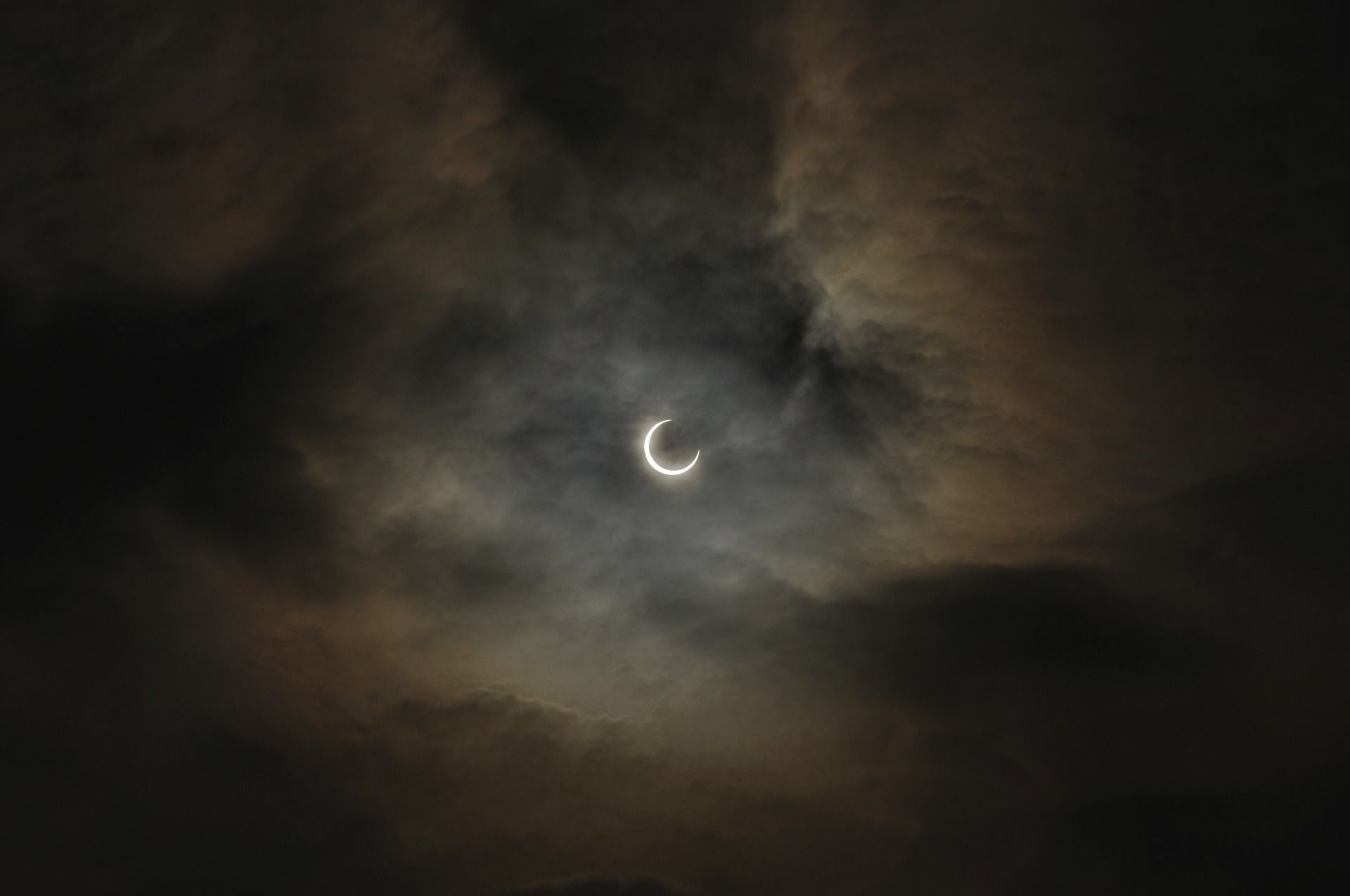
Total Solar Eclipse
Plan to pack certified eclipse glasses for every person in your group, plus solar filters for any camera or telescope gear. On the day, follow local guidance and official safety advice for when it is safe to remove eye protection, since that timing depends on your exact location along the path.
The best eclipse trips leave room to move. Tailor-made routing, a rental car, or a base with multiple easy day trip directions can let you adjust if cloud cover looks stubborn in one area. This is especially useful for Iceland, and still helpful in Spain if forecasts shift.
Aim to arrive at least two days before eclipse day. It gives you time to test drive routes, find an open horizon, and pick a backup viewing spot. It also helps you sidestep last-minute traffic, which can be surprisingly intense around popular viewpoints on the day itself.
A total eclipse is a perfect anchor for a bigger trip. You already have a fixed date, a shortlist of regions, and an excuse to slow down and explore properly instead of rushing in and out. Build a few extra days around eclipse week, and your itinerary starts to feel like a real journey, not just a single event.
If you base your eclipse plans in the north, you can still stretch into Spain’s headline cities afterward. Head to Madrid for museums and late nights, or aim for Barcelona for architecture, beaches, and an easy hop onward through Europe.
For something more local and coastal, consider the Camino del Norte, a northern route of the Camino de Santiago that threads through green hills, seaside towns, and seriously good eating. It’s a satisfying way to decompress after eclipse day, with stages you can tailor to your time and energy.
Add a few days, and Iceland becomes more than a single moment in the sky. Many Iceland trips turn naturally into a self-drive adventure, with the Ring Road as the classic option for waterfalls, volcanic landscapes, and small town stops that feel far from the everyday.
If you want something shorter but still iconic, add a South Coast extension for black sand beaches, glacier views, and easy day hikes. Eclipse day becomes one highlight among many, rather than the only reason you’re there.
Greenland pairs naturally with cruise-based travel. Many routes make it easy to combine Greenland with Iceland, and some itineraries extend onward to Arctic Canada, turning one eclipse into a broader high latitude adventure.
With the logistics handled by the ship, you can focus on the landscapes and the once-in-a-lifetime feeling of seeing darkness fall over ice and fjords.

Tips from Luis
Travel Expert

In Spain for the 12 August 2026 eclipse, don’t pick one spot, pick two. Choose a Plan A village in the totality band and a Plan B about 60 to 90 minutes west, so you can dodge late summer haze and low cloud. Arrive for a long lunch, then scout a west-facing overlook like a reservoir dam or vineyard ridge, and avoid dusty tracks before totality. Celebrate after with tapas while traffic clears.
A total solar eclipse is thrilling, but it is also a travel day where small details matter. Booking a tailor-made trip with Rough Guides means your plans are built around how you like to travel, while keeping eclipse logistics front and centre.
With 100 percent personalized itineraries designed by destination experts, you get a route that fits your pace, your budget, and your interests, plus a schedule that makes sense for eclipse day. That might mean choosing a base with quick access to open viewpoints, adding a quiet extra night to avoid the rush, or building in memorable experiences before and after the eclipse.
You also benefit from flexible routes and private guides that help you reach the best viewing locations. On a day when timing and positioning matter, that flexibility can be the difference between watching the sky change exactly as you hoped or feeling stuck in the wrong place.
Finally, you have 24/7 local support during your trip, so if the weather, transport, or logistics throw a curveball, you are not solving it alone. You can focus on the experience, and let the practicalities stay in capable hands.
In northern Spain, we’ll position travelers near Pamplona where clear summer skies offer one of Europe’s best eclipse views.” — María, Rough Guides Spain Expert
Got questions before you start mapping out your eclipse plans? Here are the practical answers travelers usually need, from timing and duration to safety and trip planning.
The headline date is 12 August 2026. On that day, the Moon’s shadow will sweep across the Arctic and parts of Europe, creating a total solar eclipse for people inside the path of totality.
If you’re searching for where to see the solar eclipse in 2026, the “best” place is anywhere inside the path of totality, since that’s the only zone where the Sun is fully covered.
For most travelers, the most practical, high-reward options are northern Spain for convenience and generally better odds of clear skies, and Iceland for dramatic landscapes and a longer stretch of totality in some areas. The eclipse track also crosses Greenland, then continues out over the Atlantic Ocean.
The entire eclipse event lasts a couple of hours from first to last contact, but the part everyone travels for is totality, which is brief. At best, totality reaches up to around 2 minutes 18 seconds, with shorter durations in many locations along the path.
For almost the entire event, no. You need certified eclipse glasses or safe solar viewers to look at the Sun during the partial phases, and you also need proper solar filters for cameras, binoculars, or telescopes.
The only time it can be safe to view without eye protection is during totality itself, and only if you are truly inside the path of totality. Follow official safety advice for the exact timing.
Start by choosing your base along the path, then build in buffer time and flexibility. Use an interactive eclipse map to match destinations with local timings, and plan for backup viewing spots in case cloud cover shifts.
A tailor-made itinerary can also help with transport, guides, and last-mile logistics so eclipse day feels smooth rather than stressful.
written by
Olga Sitnitsa
updated 04.12.2025
Use Rough Guides' trusted partners for great rates