written by
Dre Roelandt
updated 02.03.2026


- Adventure
- Authentic Experiences
- Eco-Tourism
- Japan
- Partner
- Local Guides
- Travel Advice
- Where to stay
In Tokyo’s Shibuya district, the pedestrian crossing outside the station funnels more than three million people through its white stripes every day. Meanwhile, several hundred miles west, in the mountain town of Tsuwano, a narrow path of vermilion torii gates climbs quietly into the forest. Between the two is a version of Japan many international visitors still miss.
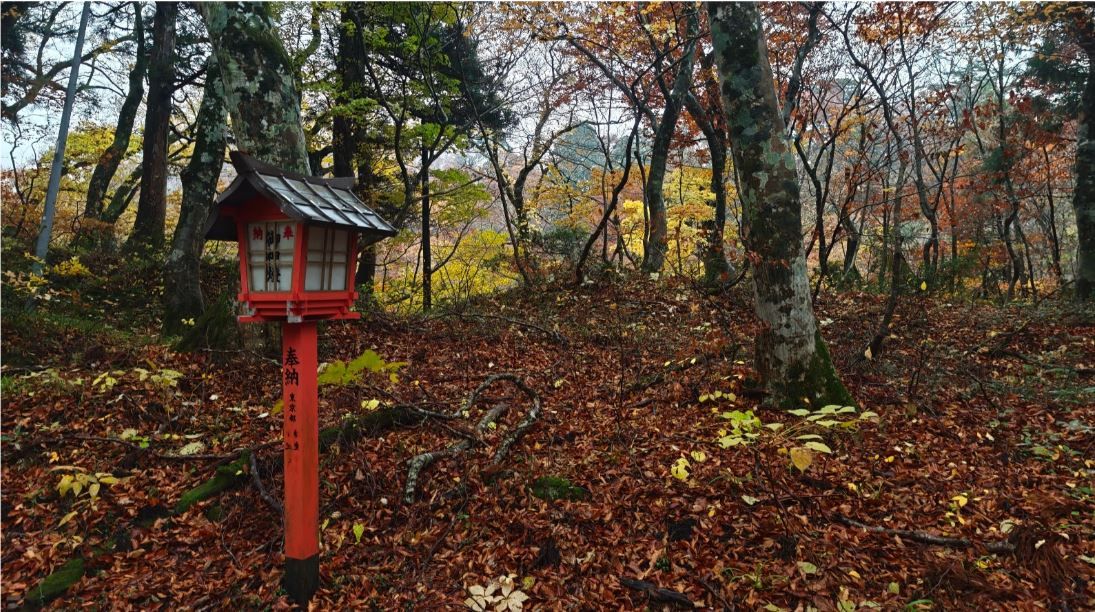
The trail of Mount Daisen © Dre Roelandt
The Chugoku region encompasses five often overlooked prefectures: Tottori, Shimane, Okayama, Hiroshima, and Yamaguchi, ranging from the Sea of Japan coastline to the shores of the Seto Inland Sea. The name “Chugoku” translates to “middle country,” a region still largely undiscovered by international travelers.
Situated between Kansai and Kyushu, this region has long played a quietly influential role in shaping Japan’s history and culture. Spending time here reveals the richness and depth that define this part of Japan.
This part of the country still offers what’s increasingly rare: cultural sites without queues and selfie sticks, and natural beauty that doesn’t require booking months in advance. If busy tourist hubs have you questioning whether authentic travel experiences still exist in Japan, the Chugoku region has answers.
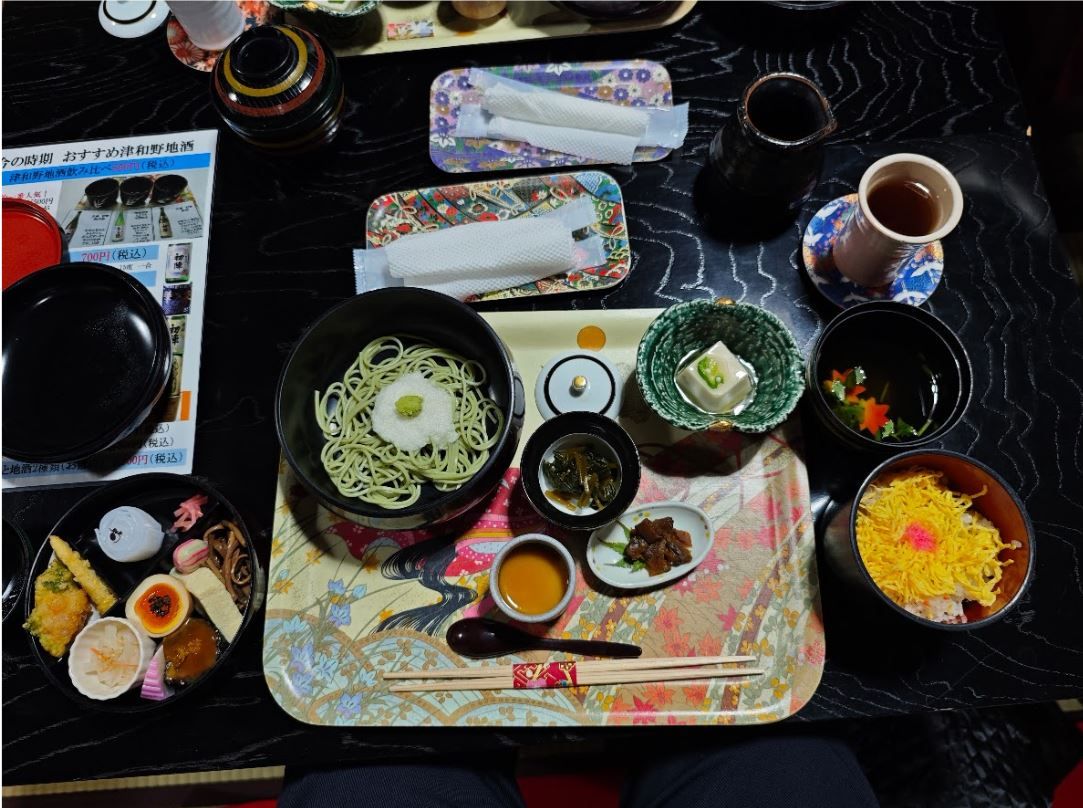
Lunch at Sara-no-ki Shouintei in Tsuwano © Dre Roelandt
It’s no secret that some of the world’s best-known destinations are buckling under the strain of overtourism. Kyoto’s geisha districts have banned photography in certain areas. Venice now imposes daily tourist caps. Machu Picchu limits both the time and number of visitors allowed to enter.
Stopping travel isn’t the answer. Tourism keeps local businesses running and brings attention (and funding) to cultural and natural preservation. The goal isn’t to stay home. It’s to travel smarter and more thoughtfully.
Visiting lesser-known regions like Chugoku is one of the simplest and most effective ways to make your trip more sustainable. The impact is real. You’re supporting family-run ryokan, local craftspeople, and restaurants that depend on tourism.
When visitor numbers stay manageable, tourism and preservation can coexist. You get a more relaxed, meaningful experience; local communities gain steady income without the pressures of mass tourism; and cultural sites get the breathing room they need to survive for future generations. It's travel that gives back rather than takes away.
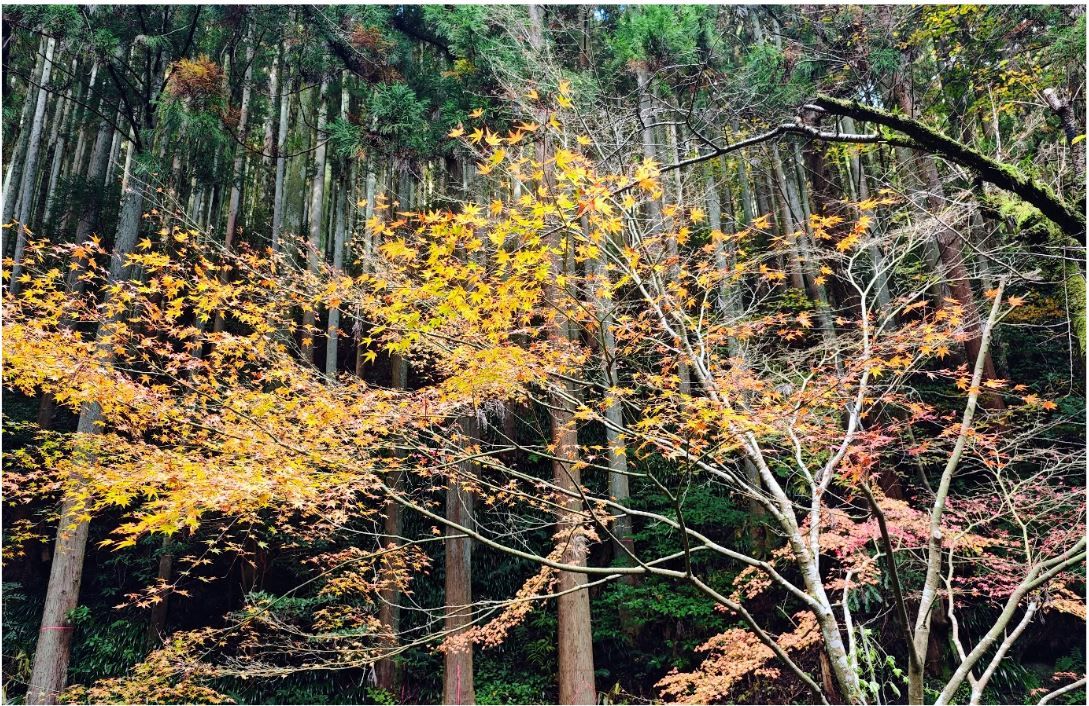
The forested area outside of Ryugenji Mabu © Dre Roelandt
A direct flight from Tokyo to Tottori with ANA (All Nippon Airways Co., Ltd.) takes around 90 minutes and is the most straightforward way to start your trip.
Other than airplanes, you can also take the Shinkansen from Tokyo to Himeji or Okayama (around 3–3.5 hours), then transfer to the Super Hakuto or Super Inaba limited express trains to reach Tottori in about 5 hours total.
Once you're in the region, you can use public transportation or rent a car. Train and bus networks are available throughout Chugoku, but routes may be limited in more rural areas. Renting a car gives you more flexibility, especially if you’re hoping to explore smaller towns or remote natural sites.
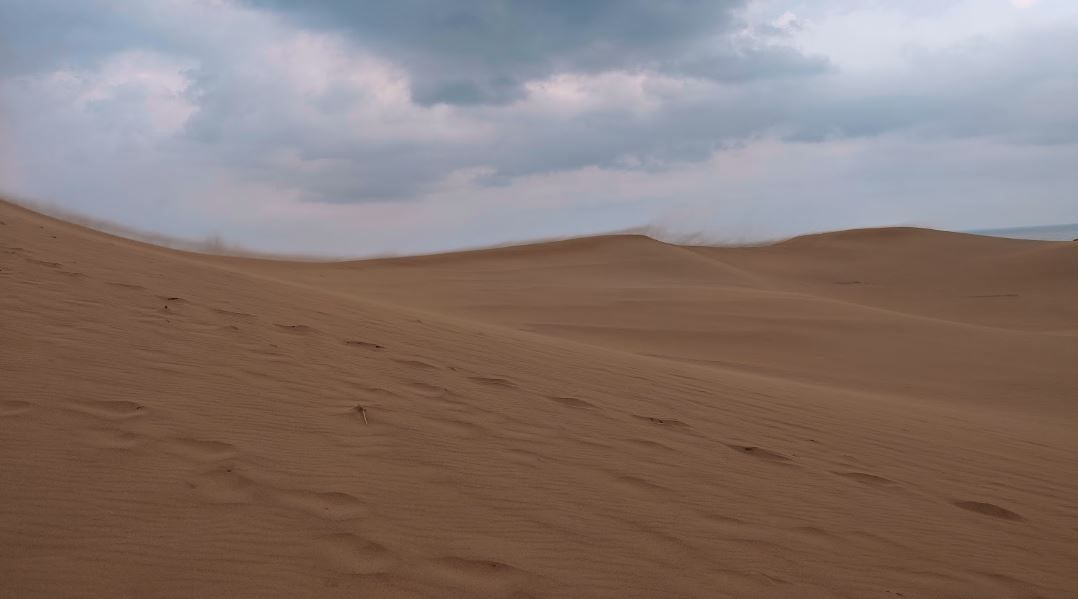
The Tottori Sand Dunes © Dre Roelandt
Tottori isn’t the Japan most people imagine. But just minutes from the airport, you’ll find yourself in a wide sweep of golden sand, with the coastline just beyond. The landscape feels more Saharan than coastal Japan. There are even camels, though mostly for the novelty.
The Tottori Sand Dunes are Japan’s most famous large dune system, formed over more than 100,000 years as sediment from the Sendai River was carried to the coast and shaped by prevailing winds. Today, the dunes extend for more than ten miles, their ridges shifting subtly with each season and storm.
They sit within the San’in Kaigan Geopark, a UNESCO-recognized zone of unusual coastal geology. If you’ve got time, the nearby Sand Museum is worth a stop, with intricate sculptures made entirely of local sand.
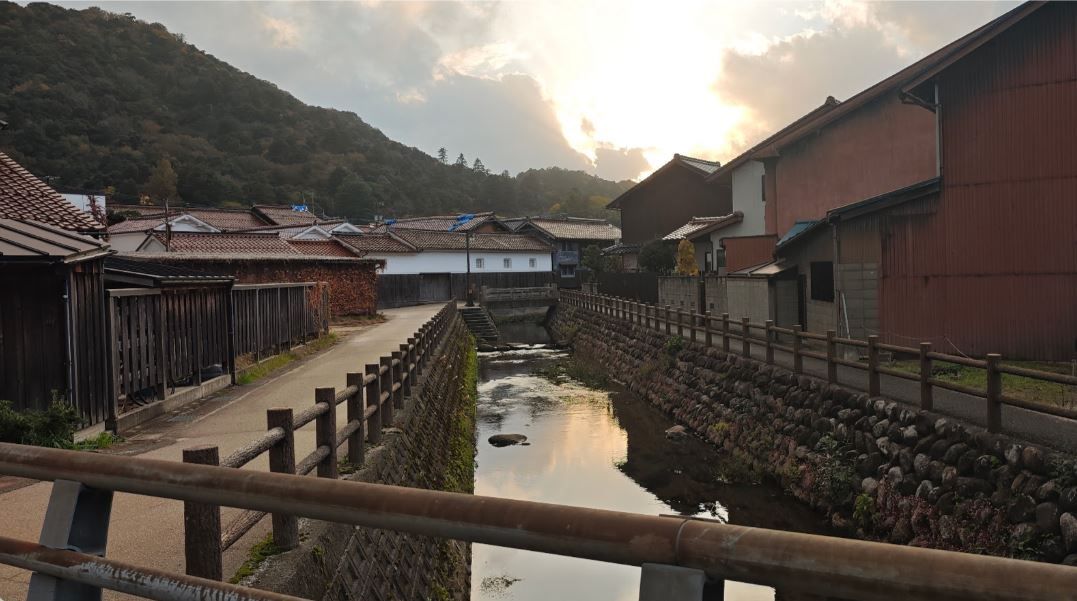
Kurayoshi © Dre Roelandt
Kurayoshi doesn’t look like much on the map, just a small town inland from the coast, but the historic district is one of the best preserved in Tottori.
The quiet blocks along the Tamagawa River are lined with Edo- and Meiji-era storehouses, built with thick white plaster walls, red tile roofs, and deep wooden siding blackened using yakisugi, a traditional method of charring cedar to protect it from fire, rot, and insects. The technique gives the buildings a distinctive finish that is dry and textured, almost charcoal-like up close.
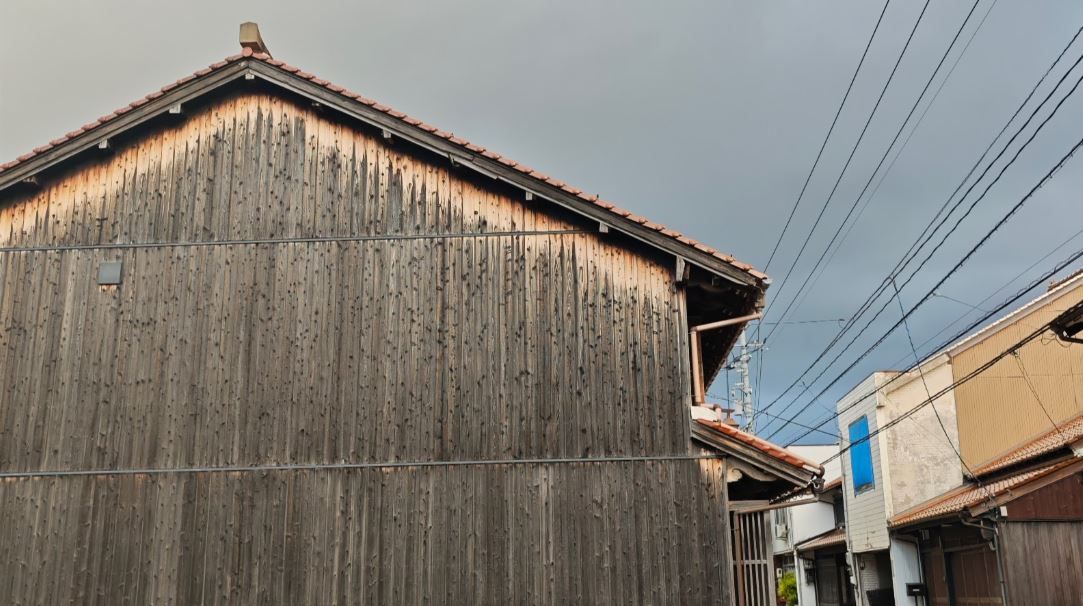
Yakisugi technique on side of a bulding © Dre Roelandt
In places the warehouses have been adapted into cafés and shops, giving you a chance to encounter local crafts or regional snacks without leaving the historic streetscape. There’s no exact checklist here, but a walk through whole area is worth a visit especially with a stop for local sake or taiyaki.
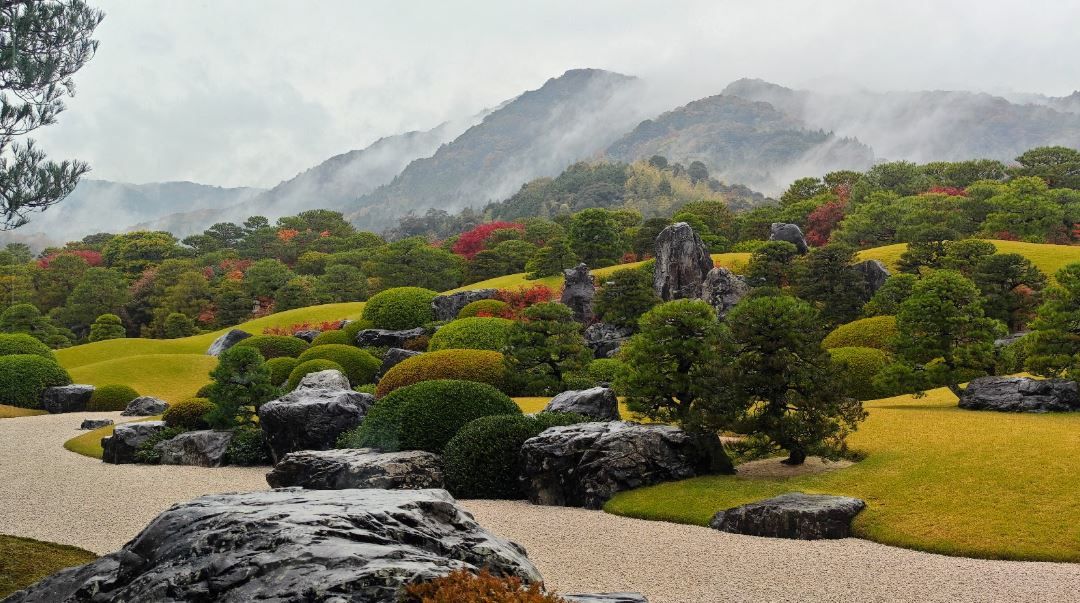
Adachi Museum of Art © Dre Roelandt
In a quiet corner of Shimane Prefecture, the Adachi Museum of Art is best known for its gardens. They have been ranked consistently number one by Sukiya Living Magazine: The Journal of Japanese Gardening since 2003. This is a notable distinction in a country that takes garden design very seriously.
These aren’t gardens you walk through. Instead, they’re meant to be viewed from within the museum, framed by windows that present the landscape almost like a series of scroll paintings.
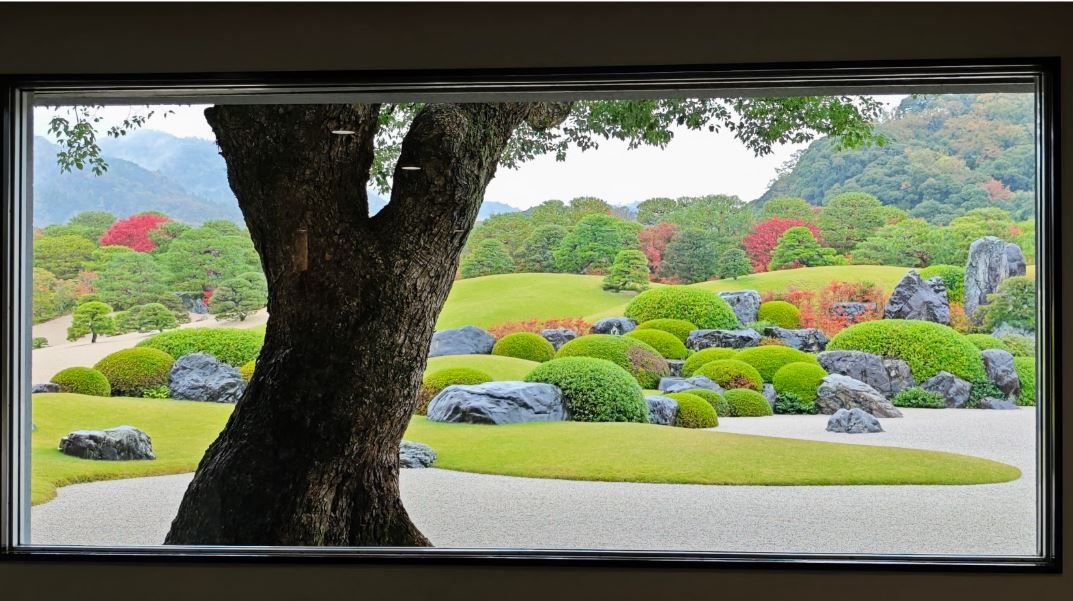
Adachi Museum of Art © Dre Roelandt
The museum’s founder, Adachi Zenko, described a Japanese garden as a “living canvas,” and that idea guides the 165,000 square metres of meticulously maintained grounds. Each viewpoint is deliberate, and the compositions shift as you move through the building. Many visitors find themselves staying longer than planned.
The museum also houses an important collection of modern Japanese art, including approximately 120 works by Yokoyama Taikan. Even so, for many people, it’s the gardens that define the visit.
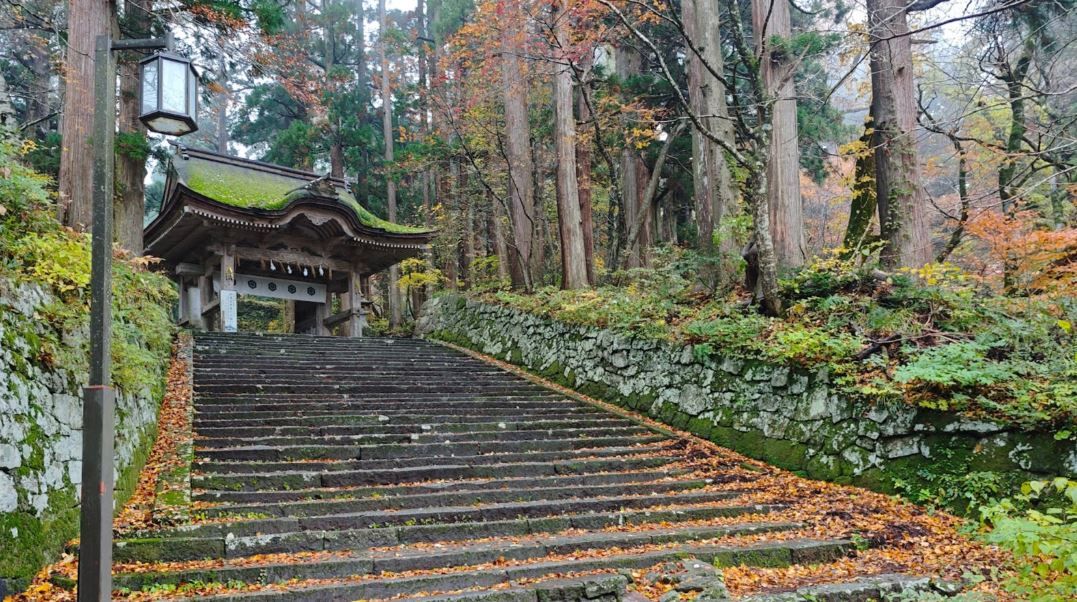
The path leading up to Ogamiyama Shrine © Dre Roelandt
Mount Daisen rises 5,600 feet (1,700 meters) above the surrounding landscape: a dormant volcano that last erupted over 10,000 years ago. Its porous volcanic rock helps filter spring water to unusual clarity, one reason the mountain has long been held sacred by Shinto, Buddhist, and Shugendo practitioners. It remains an active pilgrimage site, as it has been for more than a millennium. It’s known for its forest trails connecting temples, shrines, and small stone altars along the way.
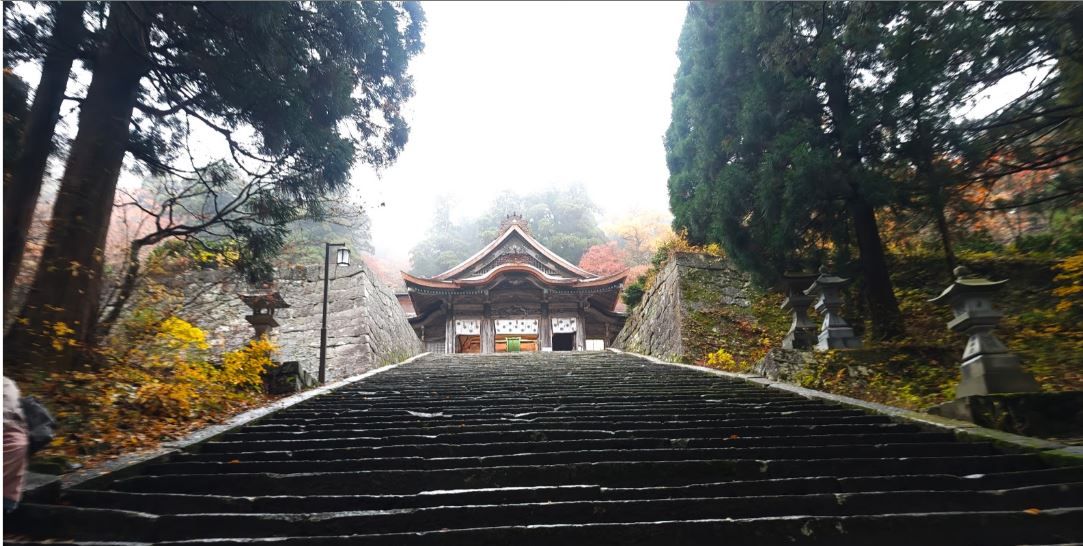
Mt Daisen trail © Dre Roelandt
The hike starts near Daisenji Temple, which dates to the 8th century and once anchored a sprawling Buddhist complex. From there, a hand-laid stone path winds through cedar and beech forest to Ogamiyama Shrine, one of the longest natural stone approaches in Japan. Each stone was placed by hand centuries ago.
Along the way, small Jizō statues appear between tree roots and beside the steps, some left unadorned, others dressed with red bibs or knitted caps. In early winter, snow begins to collect on the moss and branches, and the forest quiets.
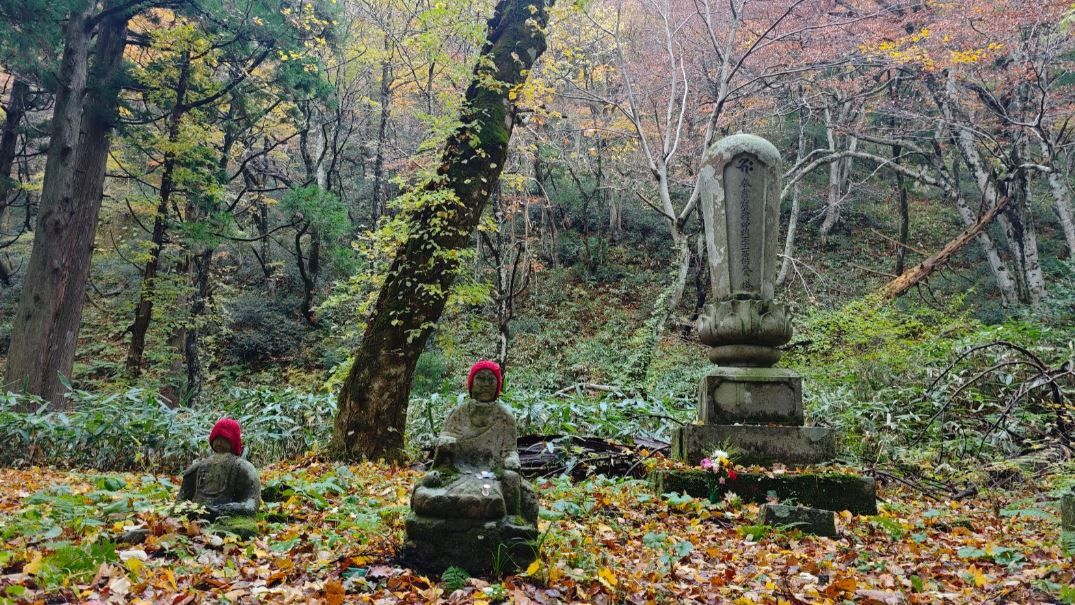
Jizo statues at Mount Daisen © Dre Roelandt
The elevation means temperatures drop significantly even in summer, so bring layers. But the crisp mountain air and relative solitude make it worth the climb. On a weekday you might encounter only a dozen other hikers all afternoon. This was personally my favorite part of the trip to the area.
Mount Daisen is about a 30-minute drive from Yonago. The Daisenji Temple area has parking and serves as the starting point for most hikes.
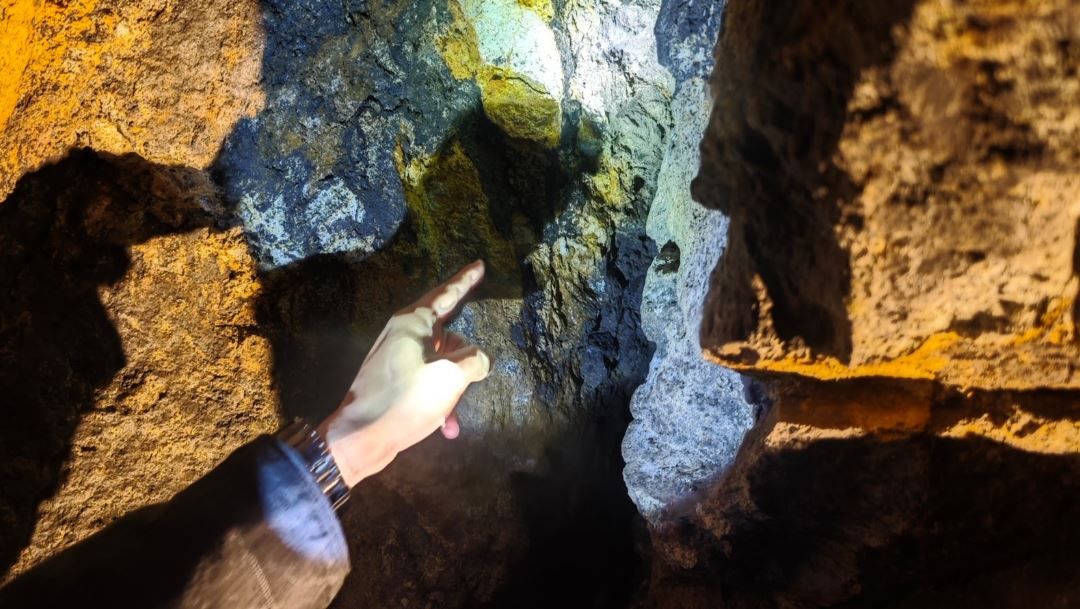
Finding silver at Ryugenji Mabu © Dre Roelandt
Silver mining isn’t usually associated with careful craftsmanship, but that’s exactly what you find at Iwami Ginzan Silver Mine. For nearly 400 years, miners here carved through solid rock using little more than iron chisels and persistence. The silver wasn’t blasted out but was chipped free, inch by inch, by hand.
One of the original tunnels, Ryugenji Mabu, is open to visitors today. It’s dimly lit on purpose, with small fixtures placed to reflect the low-light conditions miners once worked in. You’re encouraged to explore by flashlight. The rough-hewn walls and low ceilings remind you just how much effort it took to carve this place from the mountain.
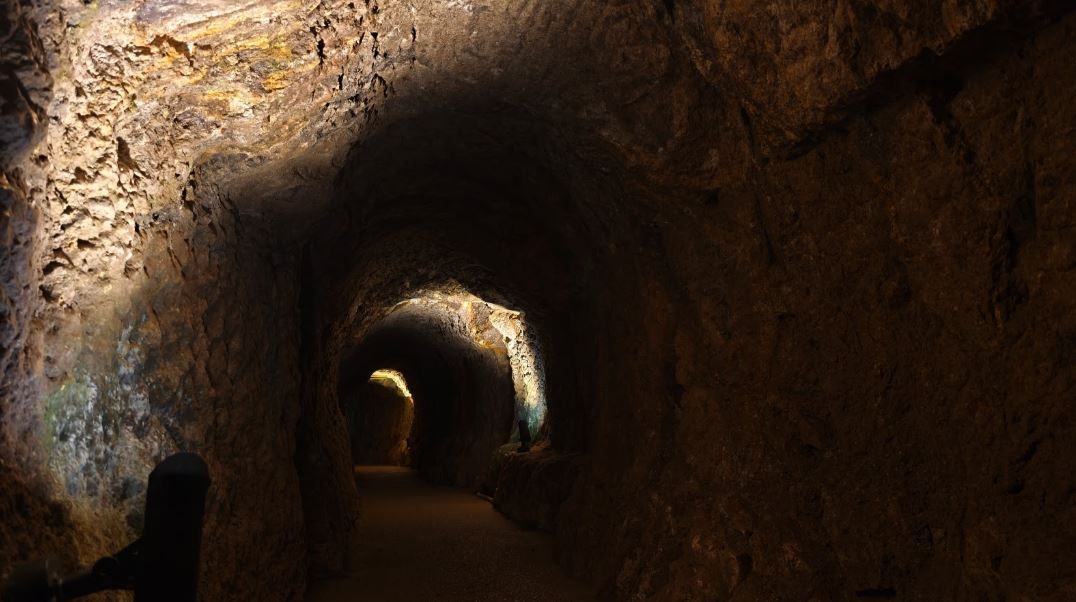
Atmospheric tunnels of Ryugenji Mabu © Dre Roelandt
At its peak in the early 1600s, Iwami Ginzan Silver Mine produced nearly 38 tons of silver a year. That silver helped drive trade between Japan, East Asia, and Europe, making this remote valley an unlikely node in global exchange.
What makes the site even more unusual is how it was managed. The surrounding forests were carefully maintained to support timber needs without exhausting the landscape, a rare example of early sustainable mining. UNESCO recognized both its historical and environmental importance when it added the site in 2007. You’ll want a few hours to explore here.
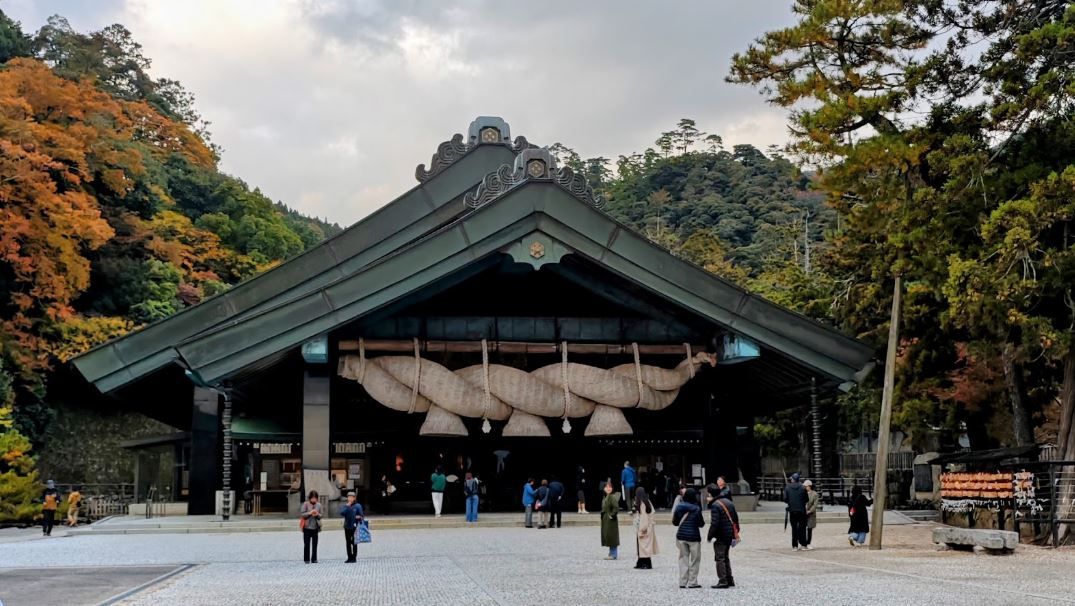
Izumo Oyashiro Shrine’s Kaguraden (sacred dance hall) with enormous rice straw shimenawa © Dre Roelandt
You don’t need to know much about Shinto to feel the weight of Izumo Oyashiro Shrine. It’s one of Japan’s oldest and most important shrines, known for its mythology and scale.
The first thing you are sure to notice is that over the entrance to the Kagura-den hangs an enormous rope made of rice straw, called a shimenawa. At over 13 meters long and five tons in weight, it’s the largest in Japan. It’s remade by hand every six to eight years by local craftspeople.
The shrine is dedicated to Okuninushi no kami, a deity linked to en-musubi, the forming of human relationships. While many come here to pray for romantic relationships, the meaning is broader. People come to pray for all kinds of ties between friends, colleagues, families, and communities.
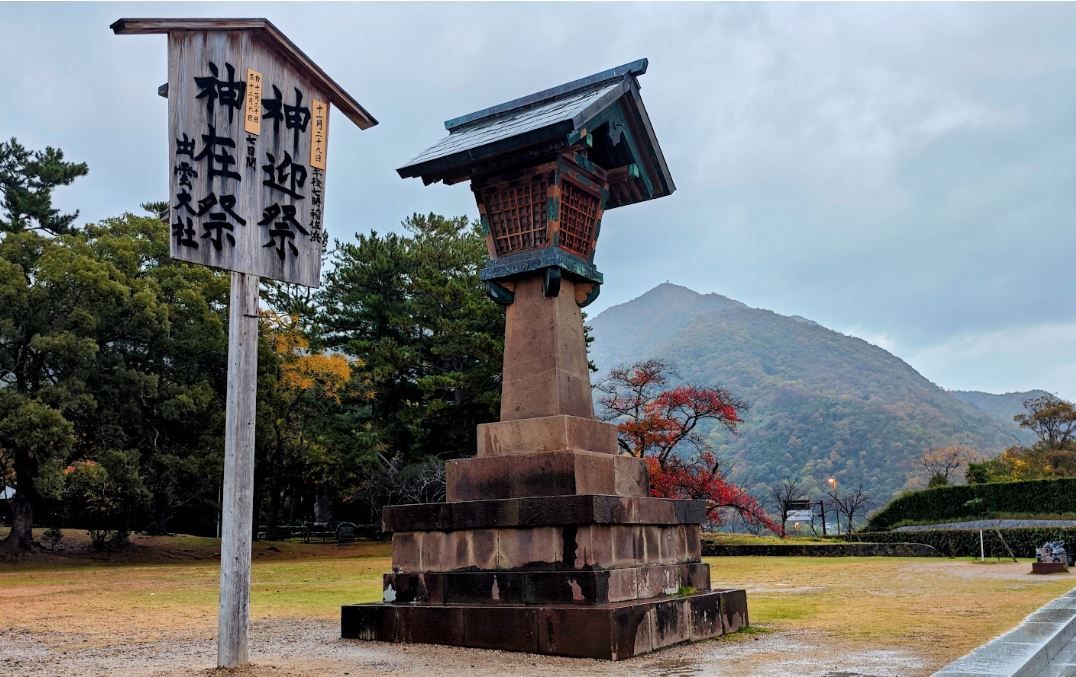
During kamiarizuki, the gods are said to be present at Izumo Oyashiro shrine © Dre Roelandt
Every autumn during the tenth lunar month, it is said that all the gods from across Japan gather here. This month is known elsewhere as kannazuki, the month without gods. In Izumo, it’s called kamiarizuki, the month when the gods are present.
What you won't find here, despite it being one of Japan's most important shrines, are crowds of selfie stick-wielding tourists. The surrounding hills give it a sense of stillness, and the shrine’s ancient Taisha-zukuri architecture adds to the impression. It’s rare to find somewhere so important that still feels this still.
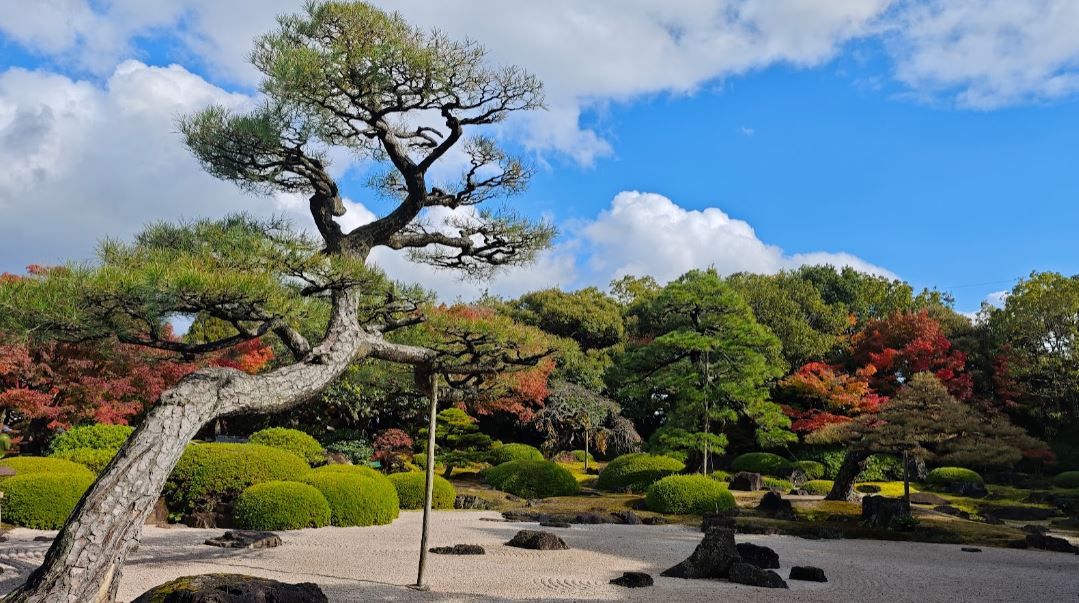
YUUSHIEN Garden in the autumn © Dre Roelandt
On Daikonshima Island, just outside Matsue, YUUSHIEN Garden has been known for its peonies since the Edo period. Thanks to careful cultivation techniques, you can see these flowers in bloom throughout the year. When they are pruned once a year, the cut blossoms are floated on the surface of the ponds. Though the gardens are worth visiting year-round.
The garden doesn’t have interpretive signs or a set walking route, so you’re free to explore at your own pace. There’s a white sand and pine garden, a waterfall flowing down from the island’s volcanic ridge, and even a statue of a bodhisattva holding a peony flower in the left hand. In the summer months, a mist is created to dramatically rise from the ponds several times an hour.
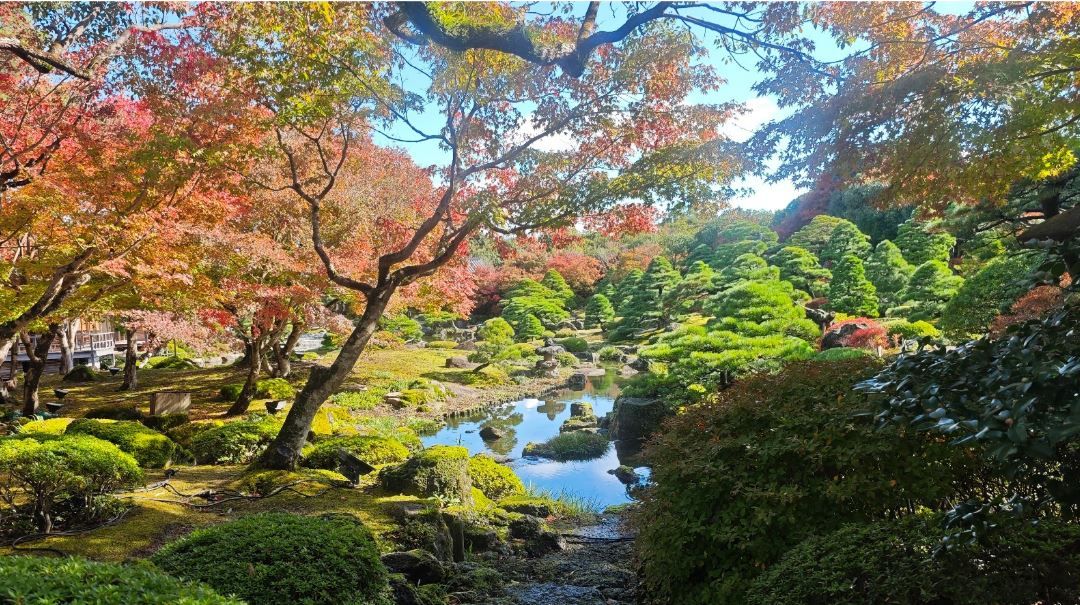
Many great viewpoints at YUUSHIEN Garden © Dre Roelandt
Daikonshima is also known for its ginseng. The name means “radish island,” but it’s a misdirection. When cultivation began here in the 18th century, farmers disguised the valuable crop as daikon to prevent theft and protect trade secrets. The Korean strain grown here, Unshu ginseng, was introduced during the Edo period to help revive the local economy.
Today, ginseng teas, sweets, and soaps are still sold on-site, many made with roots harvested directly from the island.
If you have time, it’s worth staying for lunch or coffee. The on-site cafés and restaurants serve regional dishes with a view of the ponds and flowers.
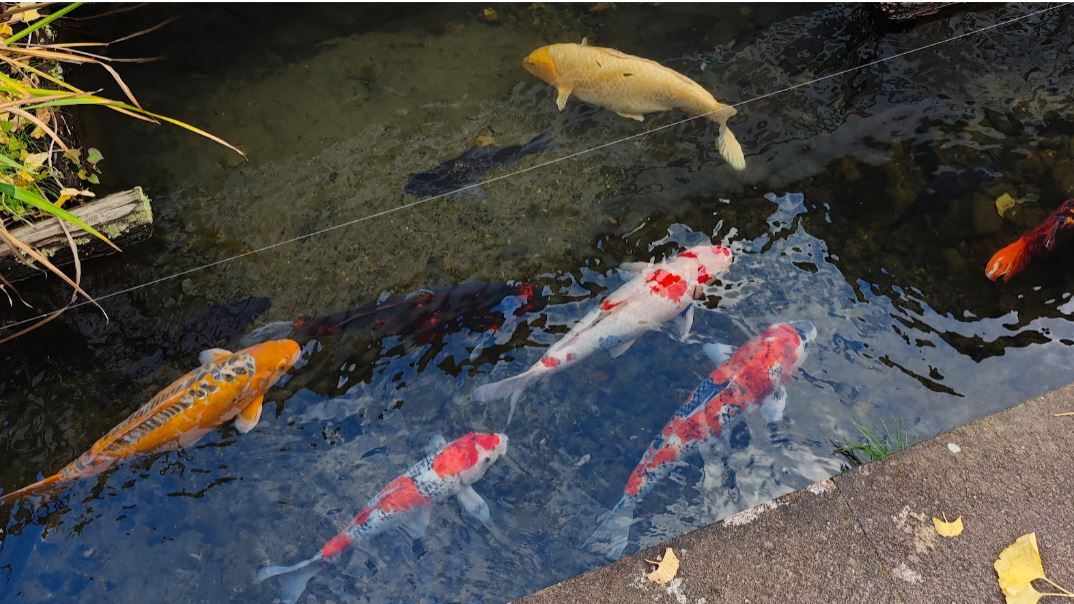
Kois of Tsuwano swim near ginkgo leaves © Dre Roelandt
Tsuwano feels like a place that kept going on its own terms. Once the seat of the Tsuwano Domain, this former castle town still follows its original layout: wide streets lined with white-walled samurai homes, and canals fed by mountain springs.
The old samurai school, Hanko-Youroukan, still stands. Built in the 18th century, it’s one of the oldest surviving domain schools in Japan.
Canals run through the historic center, filled with koi: some of the largest, healthiest fish you’ll ever see. These koi can live 70 to 80 years and continue growing for as long as their environment allows. It feels fitting for a place that has preserved its character across centuries.
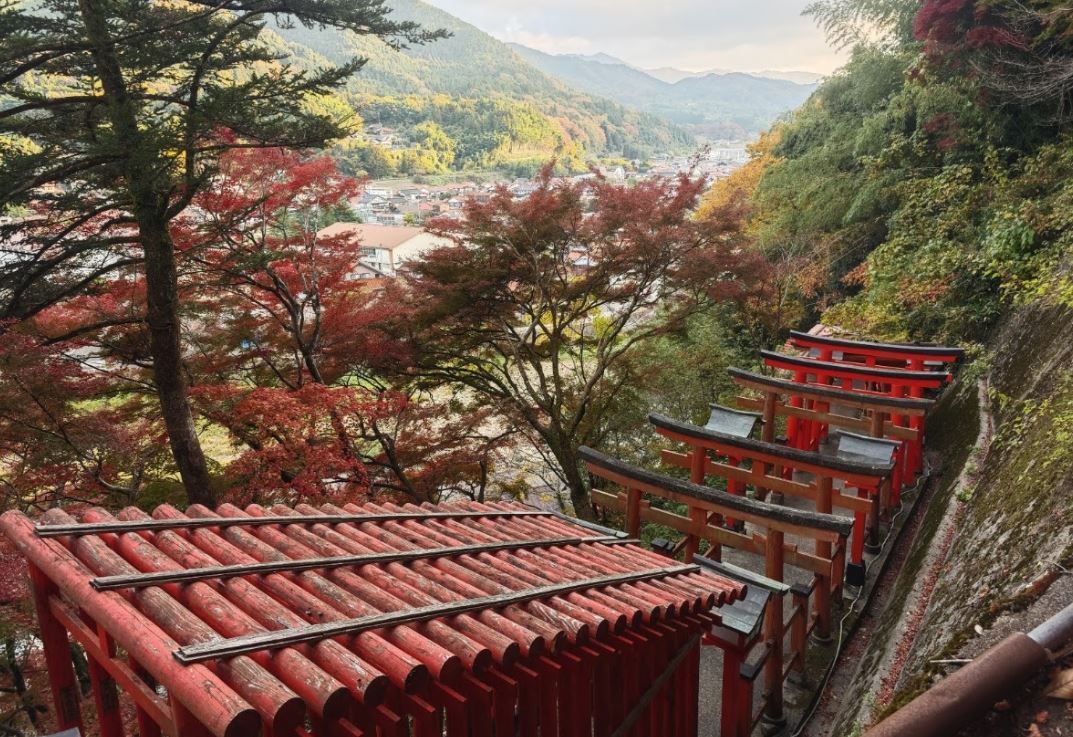
Part of the gates that line the summit to Taikodani Inari Shrine © Dre Roelandt
One of the town’s most striking features is Taikodani Inari Shrine. A thousand bright red torii gates climb the hillside above town, tracing a forested path to the shrine. You’ll feel it in your legs, but the view at the top (and the solitude on the way up) is worth every step. Unlike the crowds at Fushimi Inari, you may walk the entire approach alone.
At the top, you’ll find a shrine dedicated to Inari, the Shinto deity of prosperity and good harvests. Behind the main hall, there’s an area filled with fox statues (messengers of Inari) arranged in clusters among the trees.
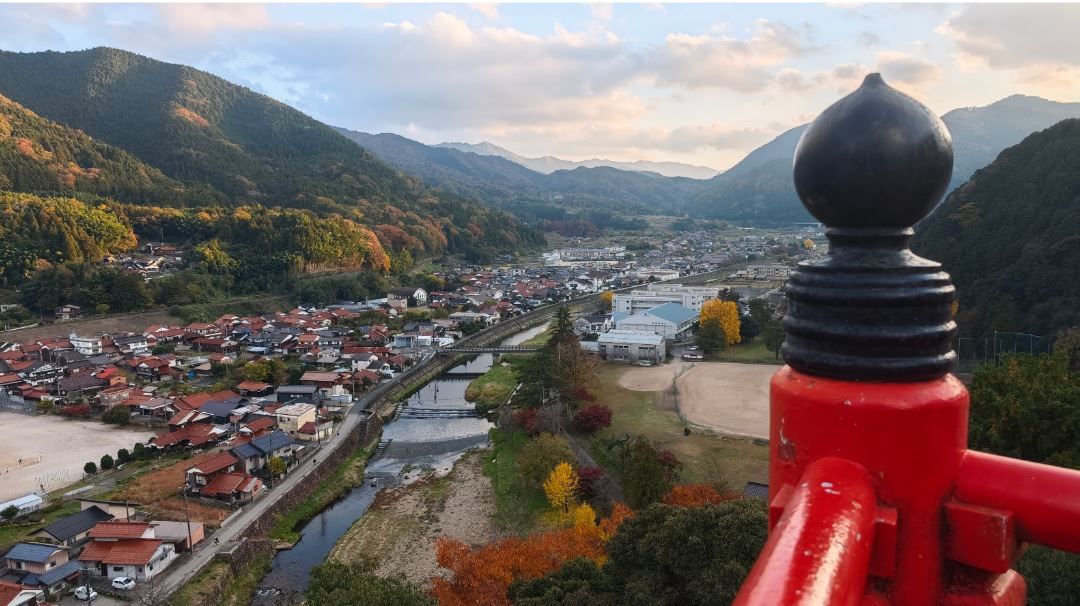
View of Tsuwano from Taikodani Inari Shrine © Dre Roelandt
A week is just right for exploring the Chugoku region without feeling rushed. Fly into Tottori from Tokyo (about 90 minutes) and spend a night there to see the sand dunes and the preserved district in Kurayoshi. From there, head toward the Shimane-Tottori border to take in Mount Daisen, the Adachi Museum of Art, and Yuushien Garden. Set aside a full day for Izumo Oyashiro Shrine and the surrounding area.
Plan another day for Iwami Ginzan Silver Mine before continuing on to Tsuwano, where you’ll want at least a full day to explore.
If you're short on time, it's possible to fit the trip into five days, but you'd miss the unhurried pace that makes this region so rewarding. The whole point of visiting Chugoku is to slow down, and you’ll want to give yourself the time to actually do that.
In Izumo, NIPPONIA Izumo Taisha Monzen-machi is a quiet boutique hotel a short walk from the shrine. The hotel is made up of converted townhouses, and some rooms have small private gardens perfect for stargazing. In Tsuwano, Yutorelo Tsuwano is a modern onsen hotel with private baths in each room and thoughtful traditional meals built around local ingredients.
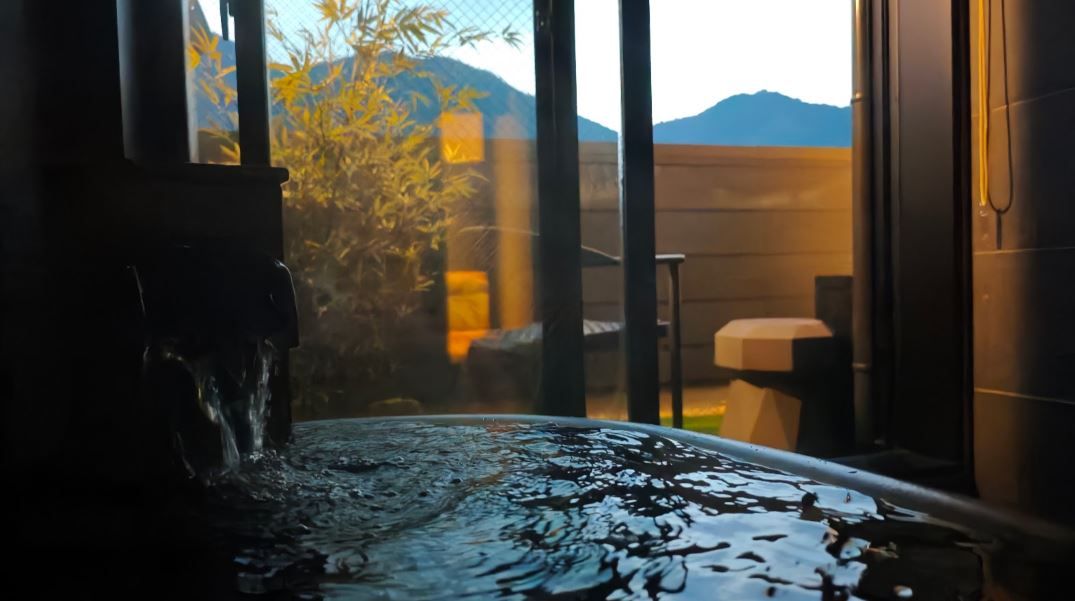
Yutorelo Tsuwano private bath at sunrise © Dre Roelandt
The best times to visit Chugoku are spring and autumn. April brings clear skies and fresh greenery, while late October to November sees fall colors in the forests around Mount Daisen and Tsuwano.
YUUSHIEN's seasonal displays change throughout the year, but the peony bloom in late April to early May is a highlight. Summer can be intense and humid, especially away from the coast, and winter is best if you’re prepared for cold weather and slower travel.
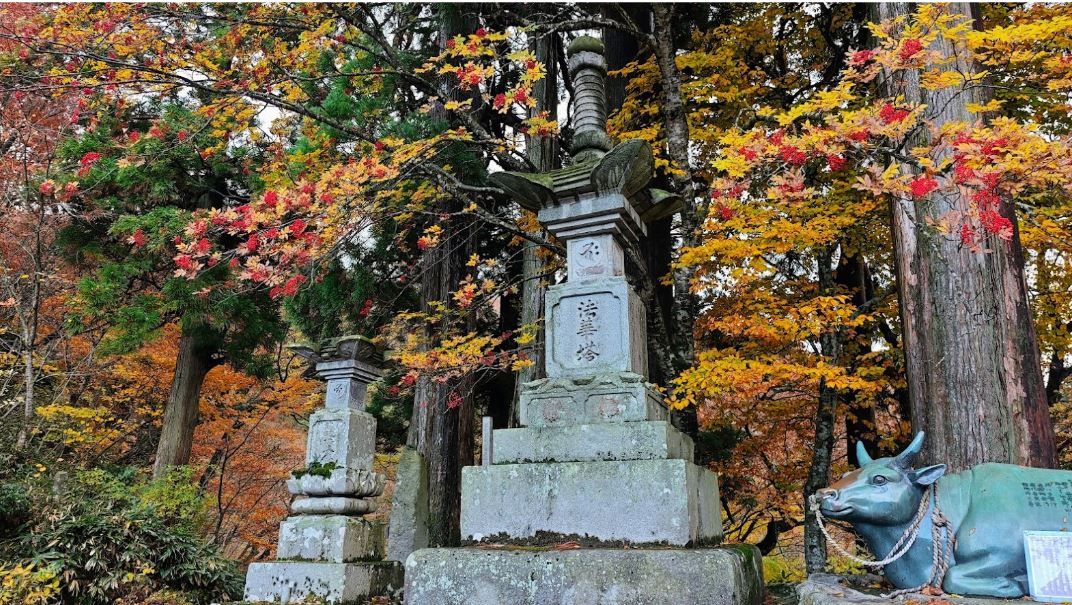
Autumn, Mount Daisen © Dre Roelandt
It’s easy to follow the crowds. But every traveler shapes the places they visit, and where you choose to go matters.
In Chugoku, your trip directly supports family-run ryokan, craftspeople, and historic sites that rely on steady, small-scale tourism. And the experience is better for it. The path here is easy to overlook, but that’s part of the appeal. This is a region where some of Japan’s most important places still feel personal.
If you’re ready to start planning your trip to Japan, take a look at our Japan itineraries for inspiration.
written by
Dre Roelandt
updated 02.03.2026