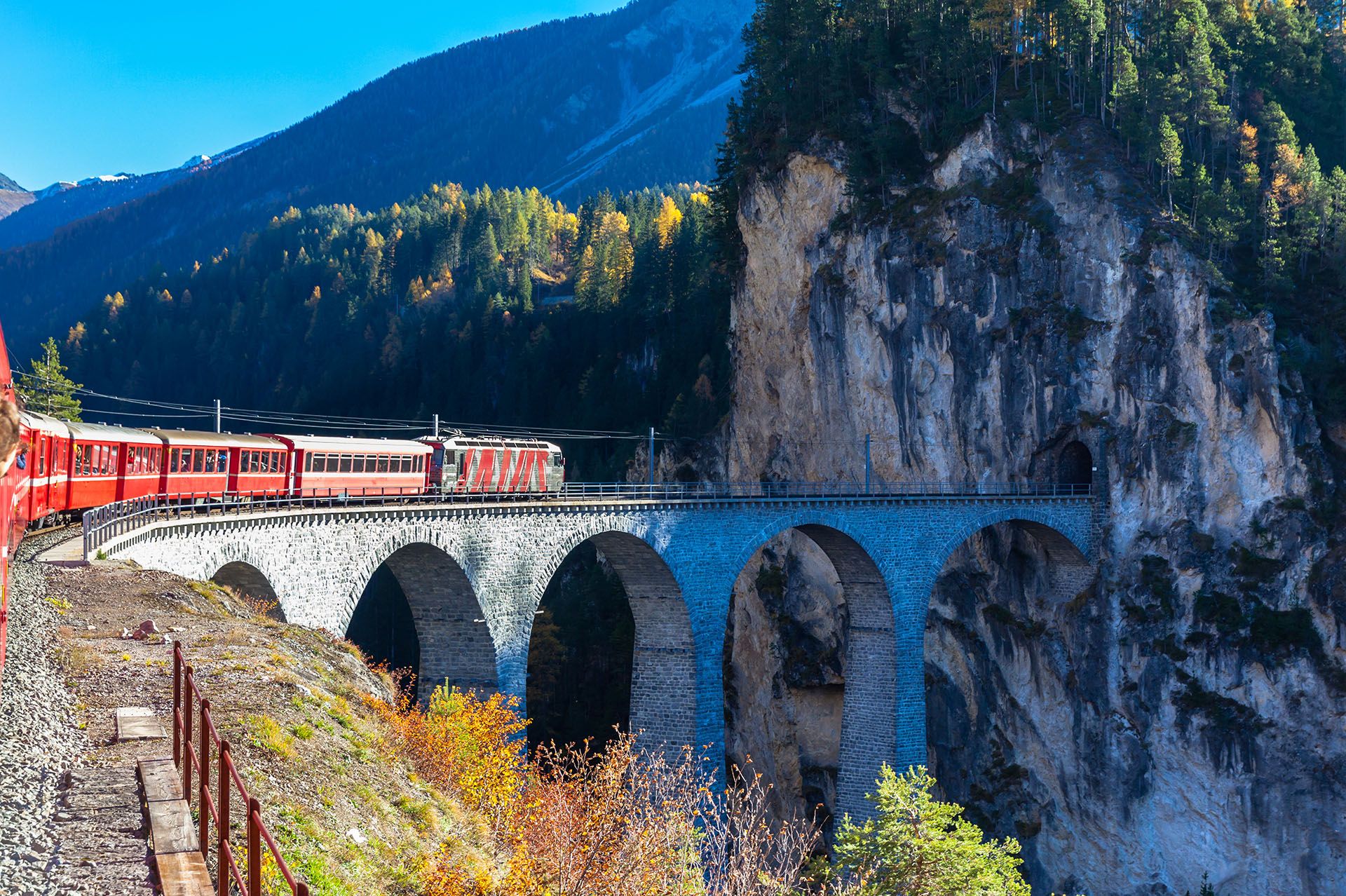
This is how you travel around Europe
When it comes to planning how to travel around Europe, look to book flights, trains, or buses between countries in advance.
For example, budget airlines like Ryanair and EasyJet offer affordable flights within Europe, while high-speed trains (Eurostar, Thalys, TGV) are an efficient way to connect between major cities.
Read on for detail on how to travel around Europe.
Renting a car
Renting a car and driving in Europe can be an enriching way to explore the continent's diverse landscapes, cities, and countryside.
However, it requires some prep, and awareness of different driving regulations and conditions.
First up, book your rental car in advance to get a better rate, especially during peak seasons. You could use comparison websites like Auto Europe, Kayak, Rentalcars.com, or book direct through international rental companies like Hertz, Avis, or Europcar.
It’s also important to choose the right car, bearing in mind that European streets and parking spaces are often narrower than you’ll be accustomed to.
Also note that manual cars are more common and cheaper to rent. If you prefer an automatic, book early, as they’re in limited supply.
As for driver requirements, most rental companies require drivers to be at least 21 years old.
While a valid US driver's license is usually sufficient, some countries require an International Driving Permit (IDP), so check the requirements for the specific countries you plan to visit.
When it comes to the rules of the road, speed limits vary by country and type of road, and are posted in kilometers per hour (km/h).
Be aware that roundabouts are common in Europe — you must yield to traffic already in the exits — and note that many European highways are toll roads. Payment can often be made by cash, card, or electronic toll tags.
Lastly, before setting off, confirm your rental agreement allows for cross-border travel.