Travel advice for Turkey
From travel safety to visa requirements, discover the best tips for visiting Turkey

written by
Olga Sitnitsa
updated 08.01.2026
The weather in Turkey in February is chilly, with snow still covering much of the interior. Istanbul experiences cold rain, while Cappadocia’s landscapes offer snowclad serenity. Ski resorts like Uludağ and Kartalkaya are in full swing. The Black Sea region is damp and misty, while the Aegean coast starts to warm slightly. The Mediterranean, including Antalya, is cool but sunny, making it an excellent time for budget-friendly city breaks. Eastern Turkey remains extremely cold, perfect for winter adventure seekers. February is best for skiing, city sightseeing, and off-season tranquility.
The weather in Turkey in February remains wintry, with snowfall in central and eastern regions. Ski resorts are in peak season. Coastal areas are milder and may experience some rain.
February in Turkey is still winter, and the weather can be pretty cold depending on where you are. In central and eastern parts of the country, like Cappadocia or Erzurum, snow is common, and temperatures often dip below freezing.
Down south along the Mediterranean, you’ll still get some rainy days, but it’s more comfortable than inland. That said, beach towns tend to be quiet this time of year, with many resorts and restaurants closed for the season.
Rainfall in Istanbul and the west typically ranges from 3 to 4 inches (80 to 100 mm), while snow in the east can sometimes cause travel delays. Historical sites are still open, and the lack of crowds makes them easier to explore, though you’ll want to dress warmly and expect shorter daylight hours.
If you're looking to ski, mountain resorts like Uludağ and Palandöken are in full swing this time of year. But for beach time or hiking, it's better to wait until spring. This is a great time to plan your Turkey itinerary.

Goreme in Turkey © AdobeStock
February is still solidly winter in Turkey, and the weather shifts a lot depending on where you are. In Istanbul, daytime highs usually land between 47 to 49°F (8 to 9°C), with nights dropping to around 37 to 45°F (3 to 7°C). It’s colder inland, while coastal cities like Antalya stay a bit milder, hovering around 61°F (16°C) during the day.
It’s only slightly warmer than January, but it’s still one of the coldest months of the year. You’ll want a proper winter coat, especially for windy or rainy days. Mornings and evenings can feel especially cold, so pack thermals, a scarf, and gloves if you’re planning to be out and about.
The Marmara Sea drops to around 46°F (8°C), which makes swimming a non-starter unless you’ve got a wetsuit. Even along the Mediterranean, it’s not really beach weather.
You’ll get about 10 hours of daylight, from around 7:00 AM to 5:30 PM, though a lot of days are overcast or foggy. By the end of the month, Istanbul averages around 7 hours of actual sunshine each day, but it still feels like proper winter throughout most of the country.
| Location | Daytime Temperatures | Nighttime Temperatures |
|---|---|---|
| Istanbul | 47°F to 49°F (8°C to 9°C) | 37°F to 45°F (3°C to 7°C) |
| Antalya (Coast) | 61°F (16°C) | 45°F to 50°F (7°C to 10°C) |
| Mediterranean Shores | 50°F to 61°F (10°C to 16°C) | 40°F to 45°F (4°C to 7°C) |
| Central Anatolia | 45°F to 50°F (7°C to 10°C) | 32°F to 37°F (0°C to 3°C) |
Ready to see Turkey? Have our local Turkey travel experts create the perfect customized itinerary.
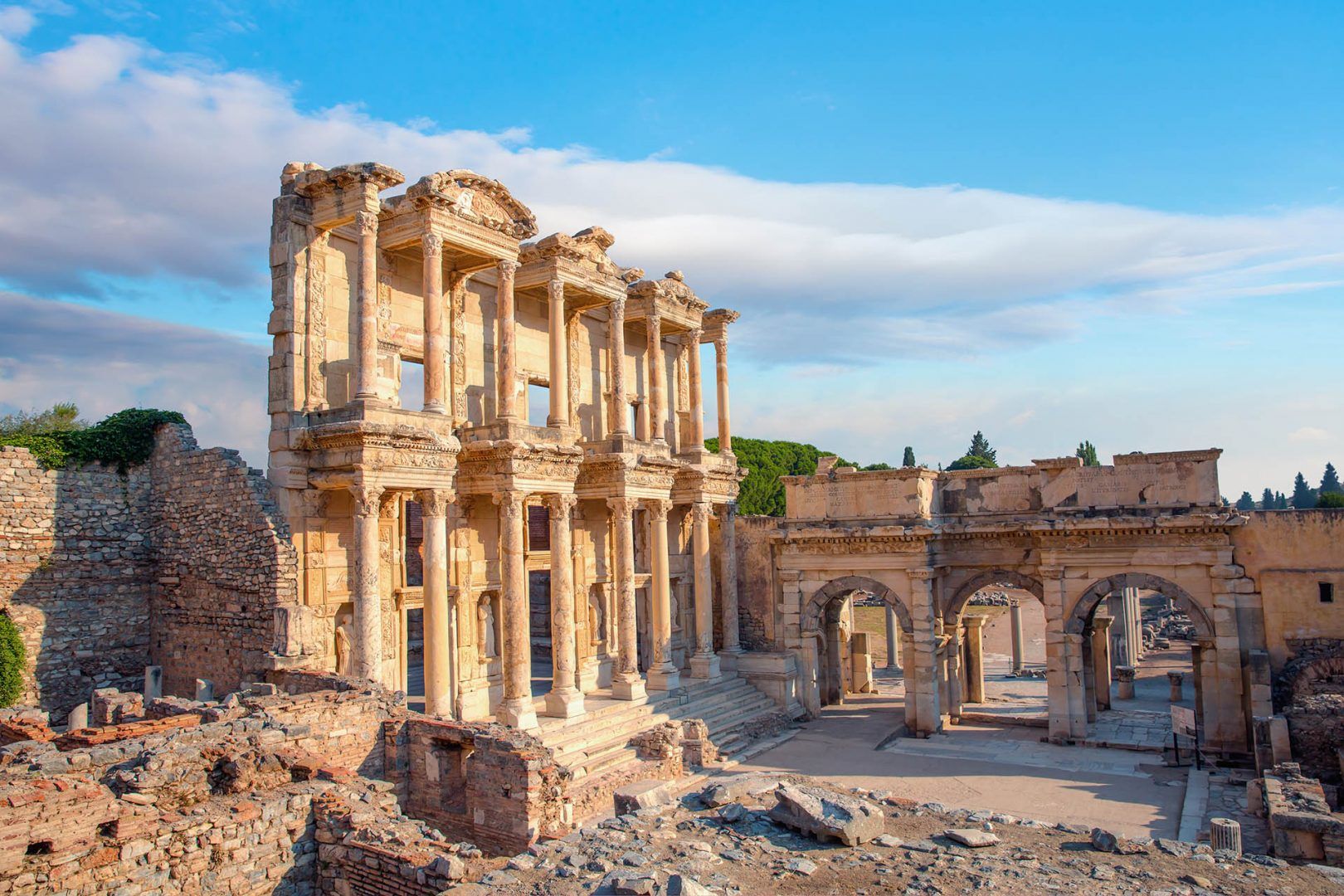
Ephesus, Turkey @ Shutterstock
Turkey in February is still very much in the grip of winter, with cold temperatures, occasional snowfall, and shorter days. While coastal regions experience a milder climate, central and eastern parts of the country remain icy, making this an excellent month for winter activities.
Traveling in February is easy in major cities but can be challenging in rural, mountainous areas due to snow and ice. With fewer tourists, flights and accommodations are more affordable, making February the best time to visit Turkey for budget-conscious travelers.
Cappadocia’s snow-covered valleys, Istanbul’s historic charm, and warm Turkish baths offer a cozy winter experience. February is also the perfect month to explore. For more tips, see our guide to how to plan a trip to Turkey.
Why February is a good time to visit Turkey:
February remains a quiet month for tourism in Turkey, except for busy ski resorts. Cities like Istanbul, Ankara, and İzmir are far less crowded, allowing for a more relaxed experience at museums, palaces, and markets. If you're planning a trip to Turkey and prefer fewer tourists, this is a great time to visit.
Travel is cheaper, with discounted hotels and more affordable domestic flights. While accommodation prices at beach resorts in Bodrum and Antalya are lower, services are more limited. Ski resorts, meanwhile, continue to operate at peak prices due to high demand. If you're mapping out a Turkey itinerary, February is ideal for exploring cultural and historical sites without the crowds. See more in our guide to the best time to visit Turkey.
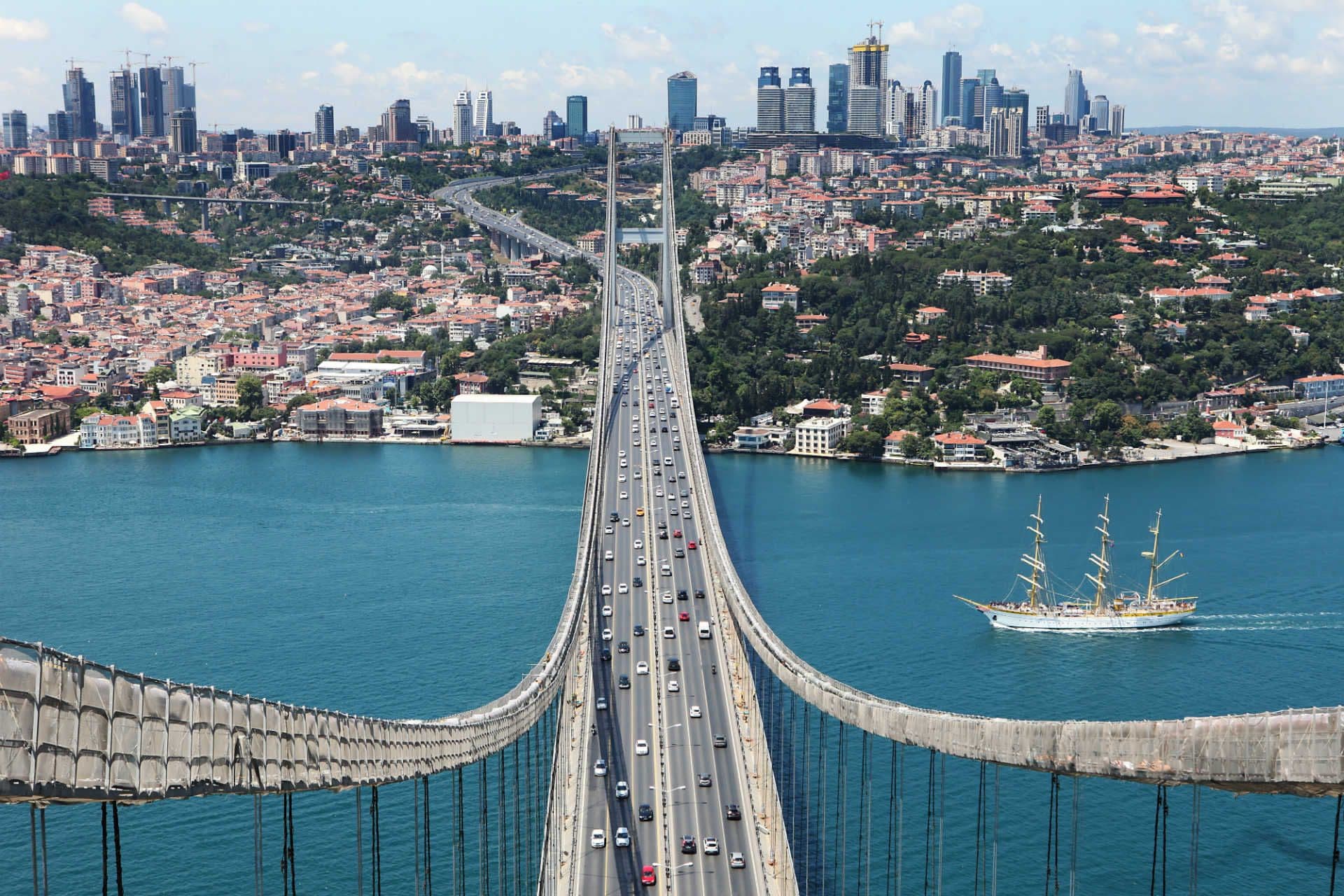
February might be winter, but it’s a good time to see a different side of Turkey. Here are some of the best places to visit in Turkey.
In February, Istanbul feels more local. With fewer tourists around, you’ll get to enjoy the city at a slower pace. Walking between neighborhoods is brisk but manageable, and the low winter light gives landmarks like Hagia Sophia and the Blue Mosque a moody glow. There’s rarely much of a wait to get in, so you can take your time with the mosaics and tilework.
Turkish baths feel especially inviting this time of year, and historic hamams give you a warm break from the cold. See our list of the best things to do in Istanbul.
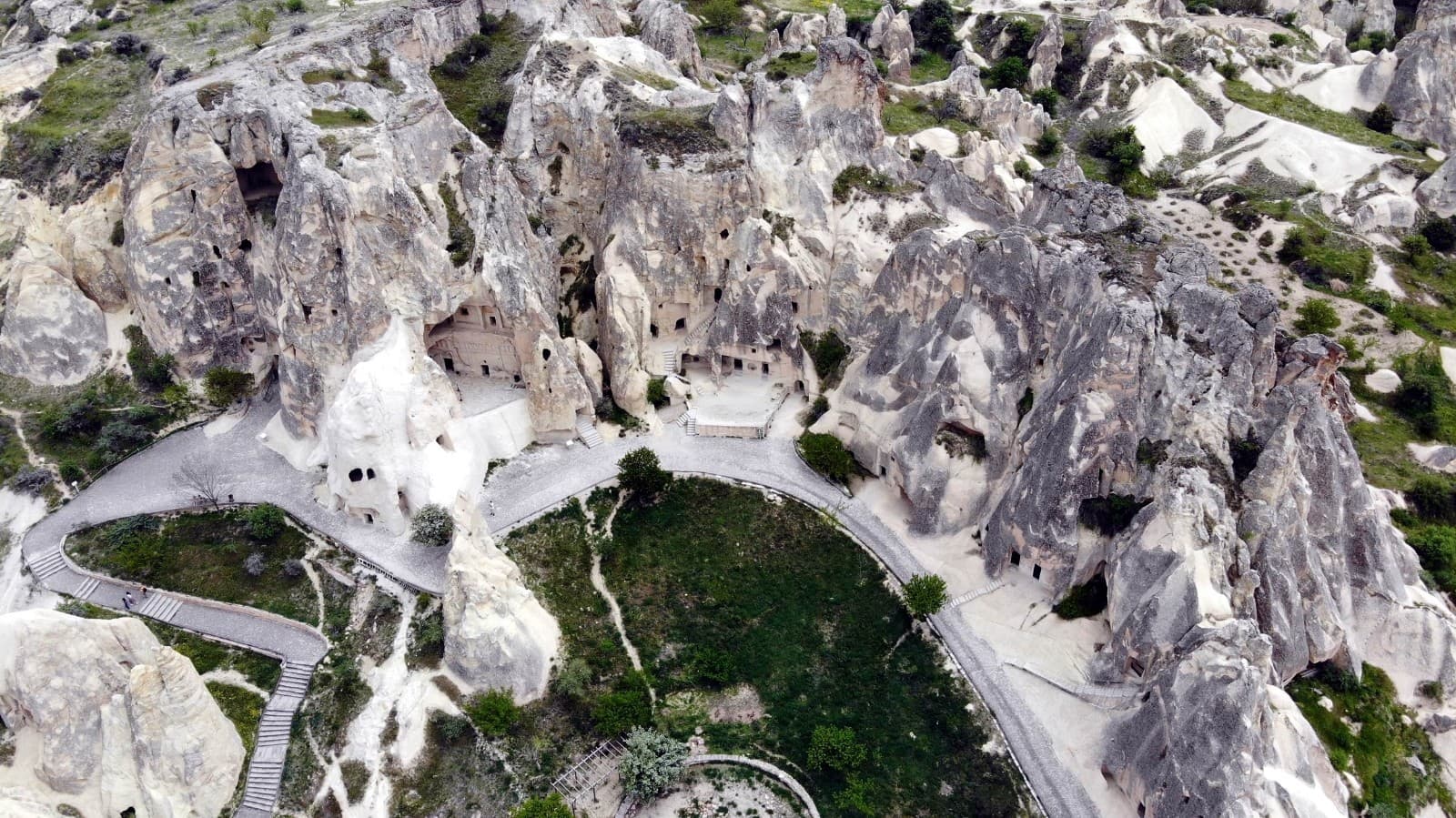
Cappadocia turns into a snow-covered dreamscape in February. The fairy chimneys and valleys take on a different kind of beauty with a dusting of snow. Hot air balloons still fly, but it depends on the weather. When they do, the view is pretty special, and there’s less traffic in the sky. Staying in a cave hotel with a fireplace or underfloor heating adds to the experience. It’s a good time for hiking, too, if you’ve got warm layers.
The travertine terraces of Pamukkale look extra white and surreal in winter, and the steam from the hot springs gives everything a soft, misty atmosphere. The thermal water is still warm, so you can soak your feet or even take a dip if you don’t mind the chilly air. There are far fewer people around, so you can enjoy the pools in relative peace.
Hierapolis, the ancient Roman city next door, is easy to walk around in cooler weather. The theater and tombs are well-preserved and much easier to explore without summer heat.
February is a quieter month in Turkey, which makes it a good time for both cultural experiences and outdoor activities. With snow in the mountains and milder weather along the coast, you can mix city exploring with winter scenery without running into big crowds. Here are some of the best things to do in Turkey.
If you’re into skiing, Palandöken near Erzurum is one of the most reliable places for snow this time of year. The runs are long and the elevators are modern, and conditions are usually steady throughout February. Erzurum itself is worth a look too, especially if you’re interested in old Seljuk architecture.
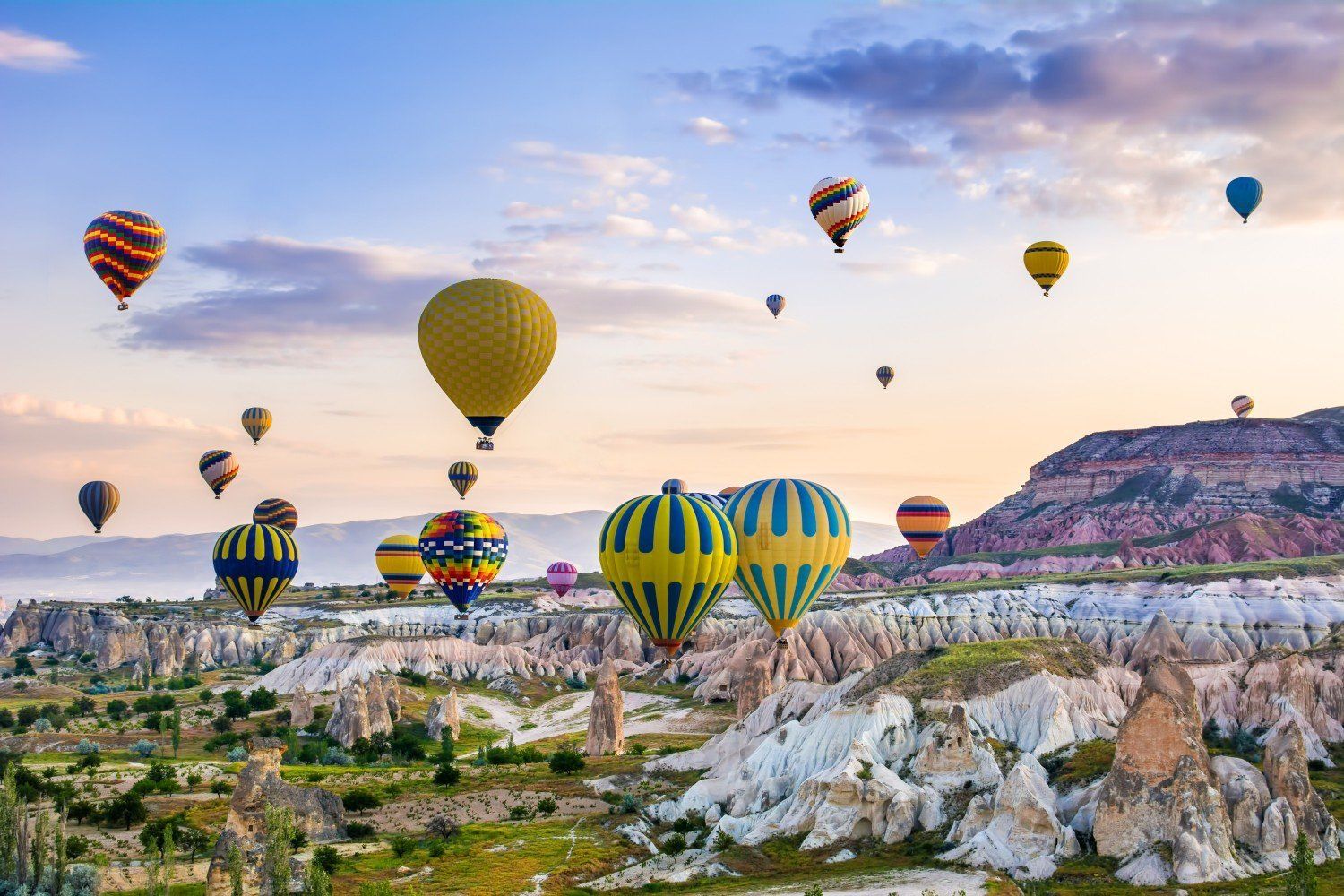
Enjoy stunning, snow-dusted landscapes from the air in one of the world’s most iconic ballooning destinations when fewer visitors will be present. The contrast of white snow and red fairy-tale rock formations creates a mesmerizing view.
Cappadocia’s famous balloon rides run in winter when the weather allows, and the snow-dusted valleys make the view even more striking. Fewer balloons go up at once this time of year, so the skies feel quieter. It’s cold before sunrise, but the payoff is worth it when you’re floating above the white-covered fairy chimneys and red rock formations.
These Turkey itineraries are designed to help you see the best of the country without overpacking your schedule. Use them as a base to build from:
From travel safety to visa requirements, discover the best tips for visiting Turkey
written by
Olga Sitnitsa
updated 08.01.2026

