Loire Valley itinerary: A leisurely five days in Anjou

Select Month

start planning

Within easy reach of Paris, the beautiful region of Anjou lends itself to a slow travel itinerary taking in medieval history, one-of-a-kind accommodation, and irresistible gourmet food and wine. 

Centred around the historic city of Angers, Anjou – or Maine-et-Loire as it’s officially known – sits in the middle of the Pays de la Loire, occupying the fertile land either side of Western Europe’s wildest river. It encapsulates so many of the things that France does best but is also a region that thrives on innovation. 

This five-day itinerary takes in just some of the region’s many highlights – from cave hotels to medieval châteaux and rustic recipes to trompe l’oeil cuisine – whilst allowing you to travel at your own pace and savour your surroundings. All of the sights can be reached by train, bus or a short taxi ride, and there are opportunities for further exploration on the Loire Valley's many scenic cycle routes.

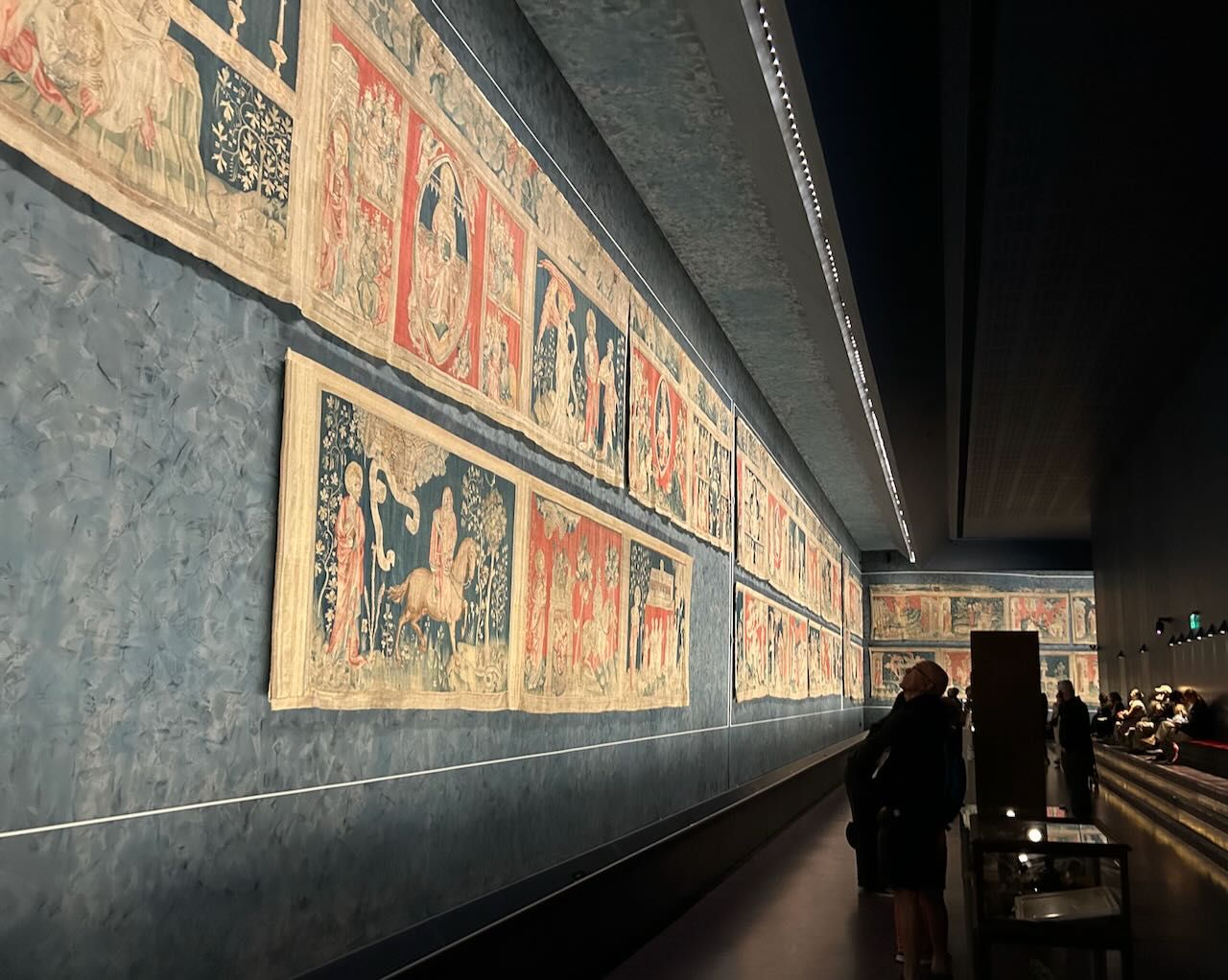
Apocalypse tapestry2.jpeg

The Apocalypse Tapestry, Château d'Angers © Rachel Lawrence

Day 1: Fontevraud Abbey 

Travel by train (Eurostar and TGV) from London to Saumur in the Loire Valley and you’ll soon feel the stress and grime of city life start to slip away. In less than six hours, you could be strolling through the tranquil grounds of the Abbaye de Fontevraud, drifting down the Loire on a traditional barge, or enjoying artisan bread and rillauds (pâté) at a riverside guingette, washed down with a crisp glass of rosé.

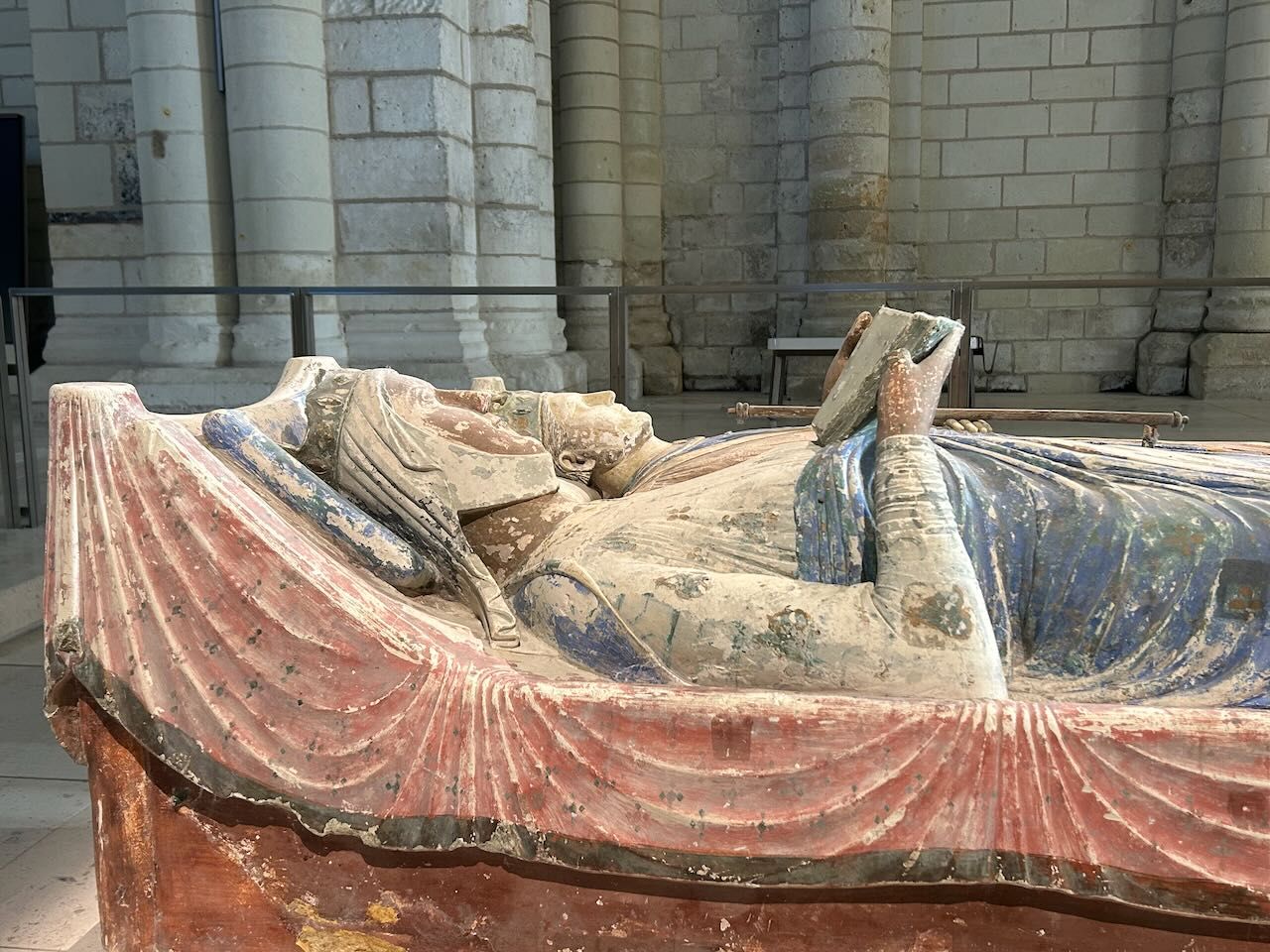
Fontevraud tomb2.jpeg

Tomb of Eleanor of Aquitaine, Fontevraud Abbey © Rachel Lawrence

Resting place of the Queen of France and England 

Anjou’s landscape is defined by the gently twisting curves of the Loire and its tributaries, while at the edges of the river valley sloping hillsides are covered with vineyards, farmland and forest. Underground lies a vast network of caves and quarries which provided the soft tufa limestone used to build many of the region’s exquisite châteaux. Nowhere is this put to more dazzling effect than at the Abbaye de Fontevraud, a few kilometres south of Saumur. At once fairytale castle, a place of worship and symbol of authority, its peaceful cloisters and winding stairways transport the visitor to a more spiritual time and place. 

Built in 1101, the abbey came under the governance of the Order of Fontevraud, which was unusual in being led by an abbess – a convention which continued for nearly seven centuries. Part of a network of monasteries stretching from Spain to England, its history is intertwined with the shifting royal allegiances of medieval times. The most powerful woman in Europe in the twelfth century – and the only woman to have ruled both France and England – Eleanor of Aquitaine chose it as the site of a necropolis for her husband Henri II, her son Richard Lionheart and, ultimately, her own tomb. 

The light-filled abbey and its maze of cloisters and corridors exude a serenity at odds with its more recent history as a prison. A display of photographs and prison artefacts depicts the daily life of the inmates kept here right up until 1963, while newspaper clippings grimly recount several failed escape attempts.   

Elsewhere the history of the abbey is told through a variety of media, including virtual experiences accessible by QR code which bring Eleanor and her fellow Plantagenets to life. Visitors are also invited to sound the enormous bronze bells mounted in the abbey grounds; cast to replace those melted down during the French Revolution, each one is decorated by a different contemporary artist. 

Where to stay 

Spend a night or two at L’Ermitage, a stylish but sensitively converted priory, and you’ll be free to wander the grounds at night and even sit beside the royal tombs in peaceful contemplation.

Montsoreau2.jpeg

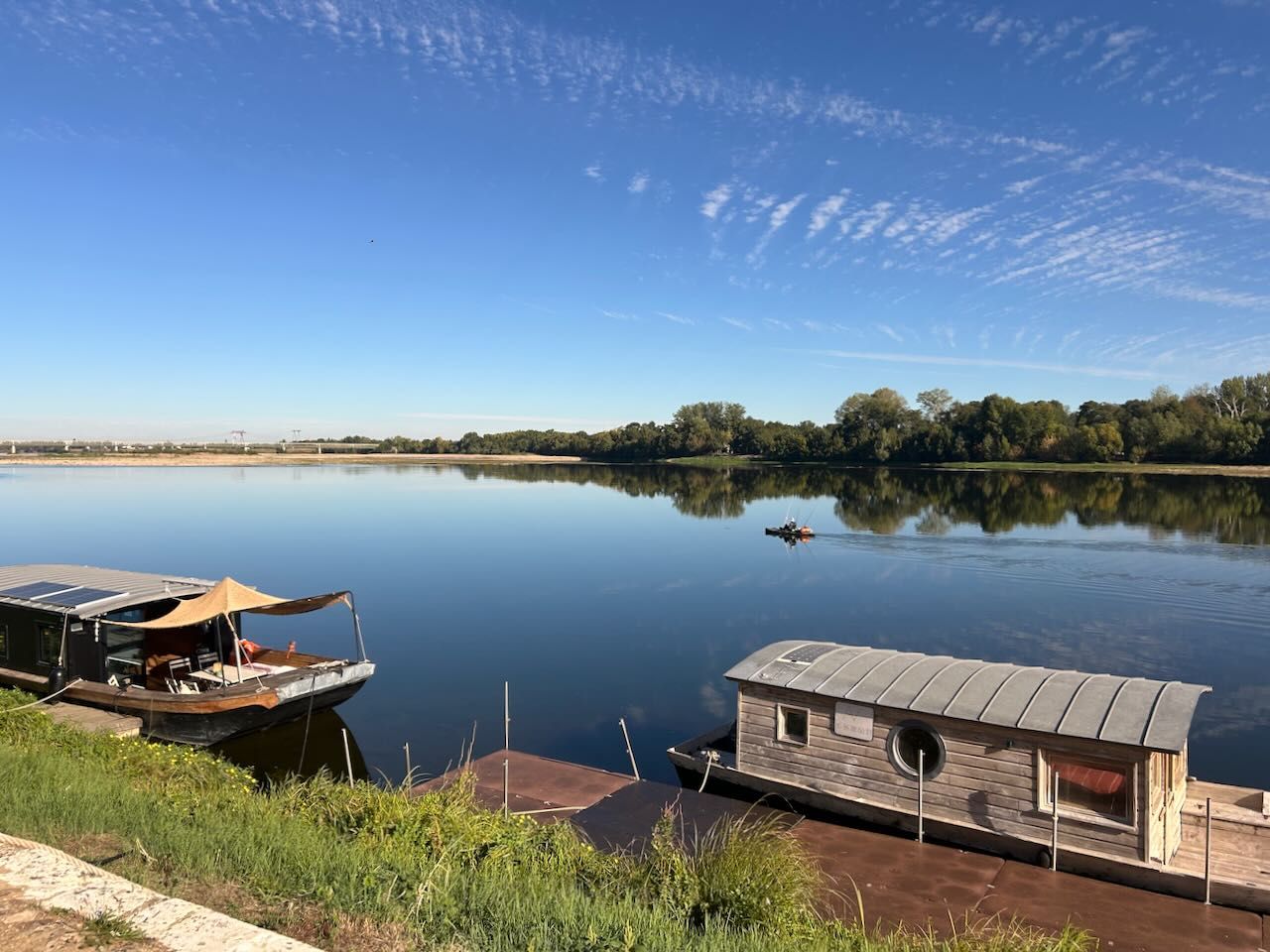
Traditional riverboats at Montsoreau © Rachel Lawrence

Day 2: Fontevraud Museum of Modern Art and a boat trip from Montsoreau 

To further your exploration of the abbey complex, visit the Fontevraud Museum of Modern Art, housed in a former stable block opposite the abbey. This thoughtfully curated display of nineteenth- and twentieth-century painting, photography and sculpture from across the world offers an unexpected contrast to its monastic surroundings. 

A scenic barge trip 

Lining the south bank of the Loire, the pretty village of Montsoreau is easily reached on a scenic cycle loop from Fontevraud (bike hire can be arranged through l’Ermitage). Its gleaming château is unusual for having its “pieds dans l’eau” (feet in the water) and its cobbled quayside is the departure point for traditional wooden barges known as toues. With Loire Vins Aventures, you can enjoy a wine-tasting on the water, while spotting herons, kingfishers and other birdlife along the riverbank. On the edge of Montsoreau lies Le Saut aux Loups champignonnière, where you can learn how mushrooms have been cultivated in tufa caves for more than a century and try their delicious galipettes, a cut above your average stuffed mushroom. 

Where to stay 

The Anjou tourist board lists places to stay in and around Saumur, including eco-conscious accommodation.

Rocaminori2.jpeg

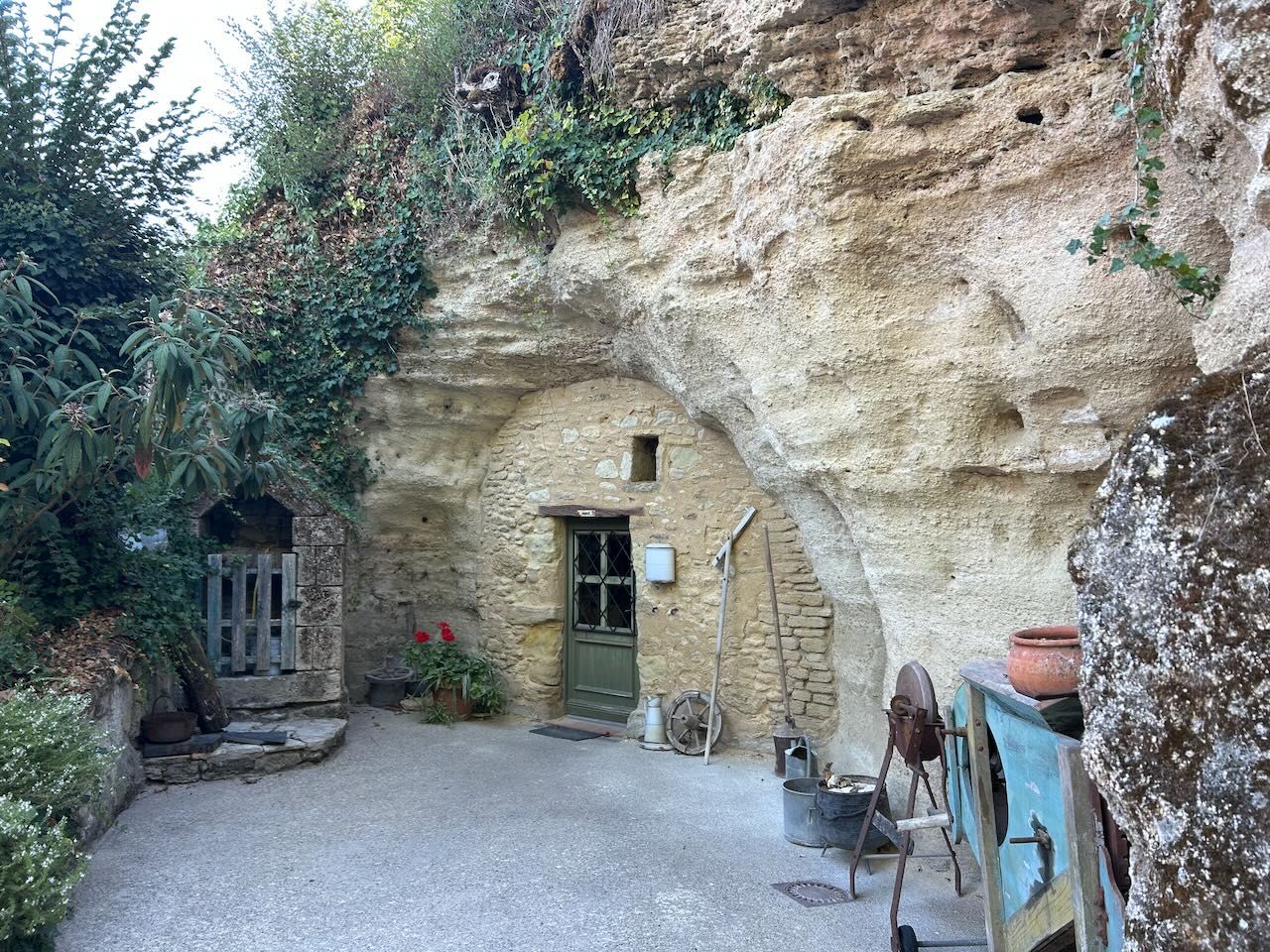
Cave dwelling at Hôtel Rocaminori © Rachel Lawrence

Day 3: Fine dining and bubbles in Saumur 

Saumur is famous for its imposing castle and the Cadre Noir elite equestrian school, but the biggest draw for many visitors is the food – from artisan delis, patisseries and chocolatiers to top-notch restaurants, including L’Essential, holder of the Bib Gourmand, a Michelin award that recognizes establishments serving exceptional food at moderate prices. The town is also at the heart of the wine-growing region – Anjou produces twenty-seven AOC wines, including its renowned crémant de Loire, cultivated in the same way as champagne but with a much lighter price tag. 

A tour of Maison Ackerman, just outside Saumur, provides a fascinating introduction to the history of sparkling wine production in the area. Until the 1990s, its roomy tufa caves housed a production line where this gentle sparkling wine was bottled, fermented, corked and labelled in a carefully managed process designed to achieve the perfect level of effervescence. Each bottle was turned by hand in a process known as remuage (riddling). Underground art installations and a fizz-themed games room punctuate the tour, which can be rounded off with a – highly recommended – tasting session. 

Where to stay 

For the full troglodyte experience, book a night at the Logis Hôtel Rocaminori, a thirty-minute drive south of Saumur. This truly unique hotel features twelve rooms built into the tufa rock of Louresse-Rochemenier, while its on-site restaurant, Les Caves de la Genevraie, is the perfect setting to try fouaces, traditional breads baked in an underground oven and stuffed with mushrooms or rillauds (a local speciality made from pork belly, similar to rillettes).

Angers chateau2.jpeg

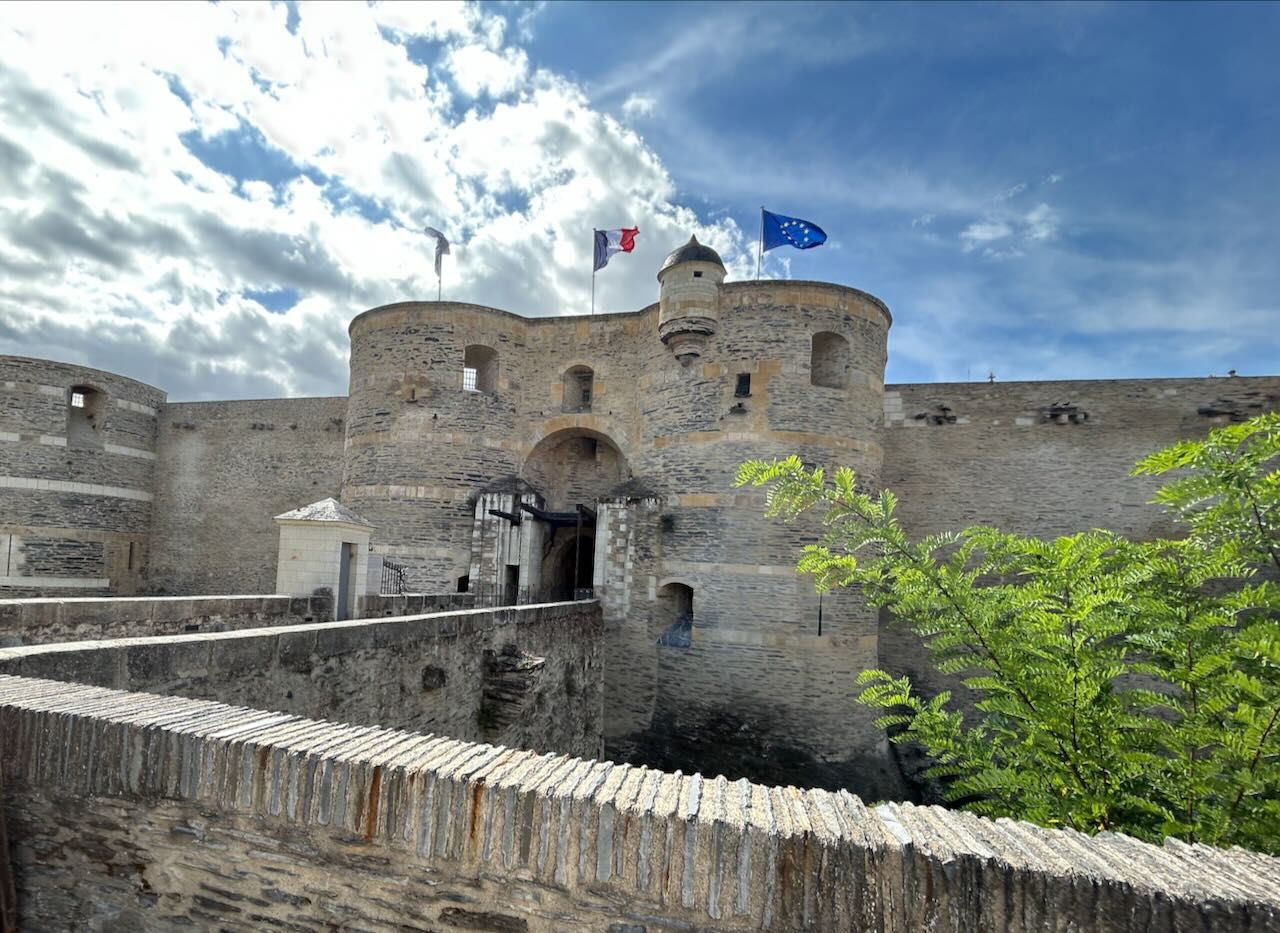
Château d'Angers © Rachel Lawrence

Day 4: Angers, green capital of France 

A short train ride west of Saumur, Angers has a youthful energy that belies its historic origins. With more green space per capita than any other French city, it’s easy to see why this pedestrian- and cycle-friendly city was declared France’s greenest city in 2026, for the third year running. The blue line walking trail starting from the tourist office connects the city’s major historical sights, passing ornate Art Deco facades and eye-catching street art along the way. 

The city is at the intersection of several major cycle routes, including the famously scenic Loire á velo, which passes through a string of beautiful riverside towns and villages. And for the more adventurous, there’s a network of exhilarating gravel bike circuits, ranging from 35km to 275km in length. Both road and gravel bikes are available for hire from the tourist office in summer. 

France’s other tapestry 

The city’s most imposing feature is the Château d’Angers, a huge fortress supported by seventeen circular towers and home to the spectacular Apocalypse Tapestry, a lurid depiction of the Book of Revelation. It’s significantly bigger than the Bayeux Tapestry, but with a similarly checkered history – commissioned by Louis I of Anjou around 1375 and subsequently displayed in the city’s Cathedral, it was later dismantled. It is thanks to a nineteenth-century priest intent on reuniting the disparate pieces – some of which had been used to protect the orange trees introduced to the region under Good King René in the fifteenth century – that the tapestry can be seen in its entirety today.

Trompe-l’eoil cuisine 

Local restaurants draw on Anjou’s long history of market gardens and horticulture – the Saturday market in the Place Leclerc is renowned – and nowhere is this put to more imaginative effect than at Les Petits Prés. Chef Samuel Albert, the 2019 winner of the hit TV show Top Chef France, combines French and Asian flavours using local, seasonal ingredients to create some show-stopping dishes, including his sublime Magritte apple dessert. 

Where to stay 

Within walking distance of many of the city’s bars and restaurants, Hotel Markus occupies a stylish converted nineteenth-century townhouse. Its members’ club feel, welcoming staff and considered approach to energy-efficiency make for a very pleasant stay – and if the weather’s good you can take your morning coffee and croissant on the sun-dappled terrace.
Cointreau2.jpeg

Carré Cointreau © Rachel Lawrence

Day 5: A half-day excursion from Angers

A thirty-minute bus ride from the city centre, the Carré Cointreau takes visitors on a guided tour of the factory which produces Angers' most famous export. It’s hard to believe that the millions of bottles of this orange-scented liqueur sold annually are all made here, its signature flavour derived from hand-peeled orange rinds carefully sourced from Spain, North Africa and Brazil. A small museum charts the vision of its forward-thinking founder, Edouard Cointreau, and visitors can enjoy a tasting of Cointreau’s multiple varieties – chilli-infused Cointreau anyone?    

A medicinal garden

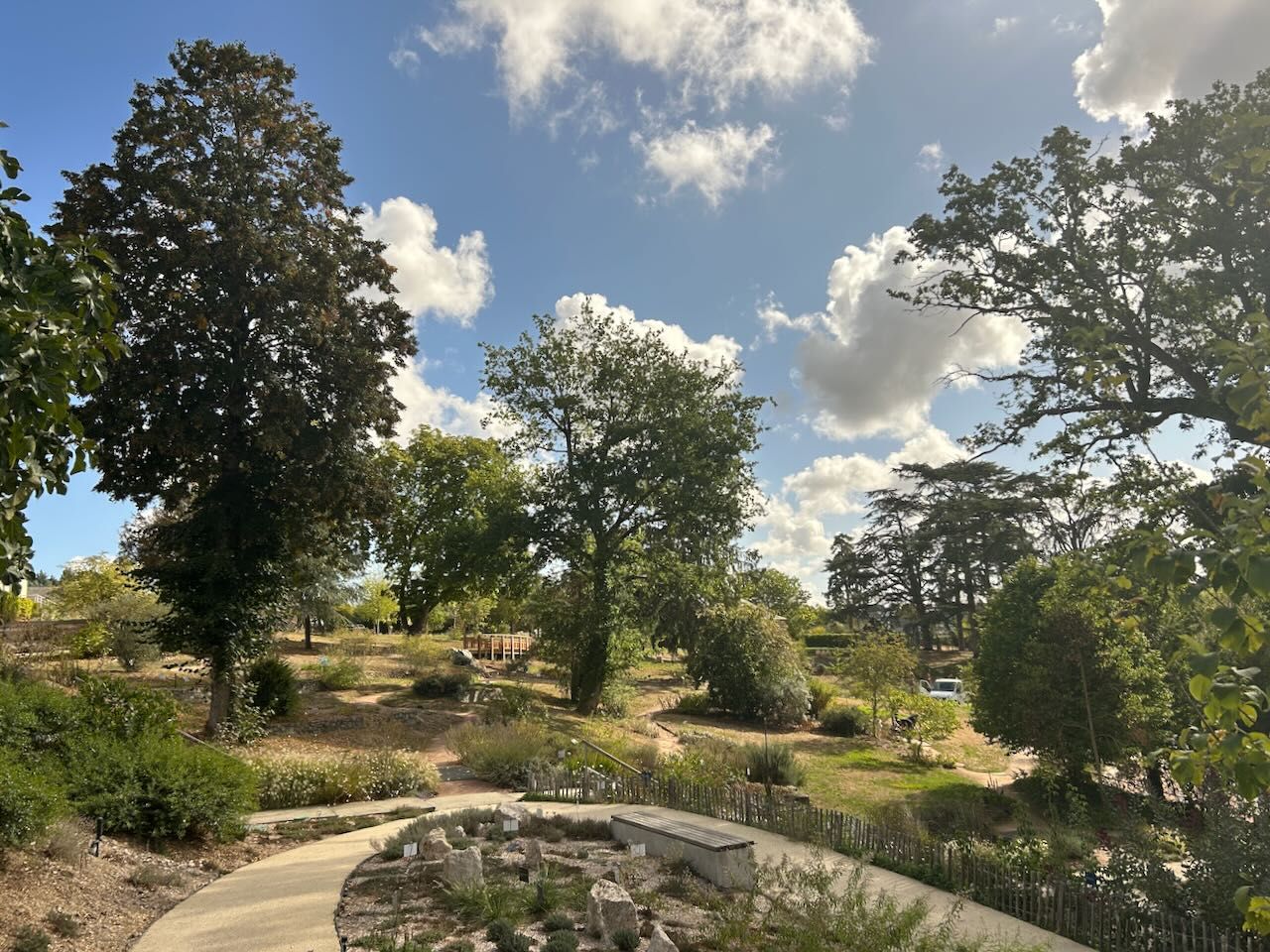
An alternative half-day excursion is to the Jardin Camifolia in Chemillé-en-Anjou, a thirty-minute train ride away. A short walk from the train station, this botanical garden continues a long history of medicinal and aromatic plant cultivation in the region, particularly since the nineteenth century when the devastation caused by phylloxera forced many wine producers to switch to plant cultivation. Learn about the remarkable properties of the hundreds of species grown here – used in everything from insect repellent to toothpaste – and the distillation of essential oils, as you enjoy a stroll along its winding paths.   

Jardin Camifolia2.jpeg

Jardin Camifolia © Rachel Lawrence

Whether you come for the wine, the cycling, the history, or simply a dose of joie de vivre, a visit to Anjou is the perfect way to combine a relaxing city break with a rural escape. The romance of its medieval châteaux and the simple pleasure of exploring the Loire by boat are a balm for busy lifestyles which, complimented by exquisite food and wine, is sure to leave you wanting more. 

Find out more about green travel in Pays de la Loire.

Rachel Lawrence

written by
Rachel Lawrence

updated 02.11.2026

Rachel Lawrence is the Senior Editor for Custom Publishing at Rough Guides, and has written and commissioned travel content for destinations ranging from South America to the Shetland Isles. She has crossed several continents by train, explored the Andes on horseback and studied in France’s culinary capital, Lyon. She loves nothing more than a good walk, whether it be trekking in the Himalayas or a Sunday stroll in the West Country.

Rough Guides connects you with vetted France travel agents who create personalized trip plans from scratch based on your travel style, pace, interests, and budget. Instead of choosing from fixed packages, you can receive up to 3 different itinerary proposals, compare approaches from different local agents, and refine the preferred trip together until it fits the way you want to travel.