Weather in Portugal in February

Select Month

start planning

February isn’t peak season for Portugal travel – and that’s exactly the point. Fewer crowds mean quieter cities, cheaper stays, and a more relaxed vibe. It’s also a festive month, with colorful Carnival parades and local events across the country.

Here’s our guide to the weather in Portugal in February.

The weather in Portugal in February at a glance

  • February has a mix of winter chill and early signs of spring.
  • Temperatures usually range from 46°F to 61°F (8°C to 16°C), with cooler weather in the north and milder conditions in the south.
  • February is a quieter time for tourism in Portugal, so you can explore without the crowds and find less crowded beaches.

What is the weather like in Portugal in February?

The weather in February in Portugal is still on the cooler side, especially by local standards, but it’s not freezing. You’ll run into some rain here and there, so having an umbrella or rain jacket on hand is a good idea. On average, you’re looking at about 80–120mm of rain this month, though that really depends on where you are—Lisbon tends to be milder, while the north can feel wetter and chillier.

You might need to adjust your outdoor plans a bit. Hiking or beach days can be hit or miss depending on the weather, but indoor plans—like museums or cafes—are still easy to enjoy.

February is also part of the low season, so things are generally quieter. The vacation crowds are gone, and you’ll probably notice fewer tourists around. If you’re not banking on perfect weather and don’t mind a slower pace, February can be a good time to explore Portugal. Just pack for cooler temps and expect a few rainy days along the way. This is a great month to plan your Portugal itinerary
 

Joel

Tips from Joel

Portugal Travel Expert

quotes

If you're heading to Portugal this February, I definitely recommend spending some time in Lisbon. Just a heads-up—the cobblestone streets can get pretty slippery when it rains. But don’t let that stop you. It’s actually a great time to visit if you want to avoid the crowds. Just make sure to pack some good shoes—flat ones with decent grip are your best bet.

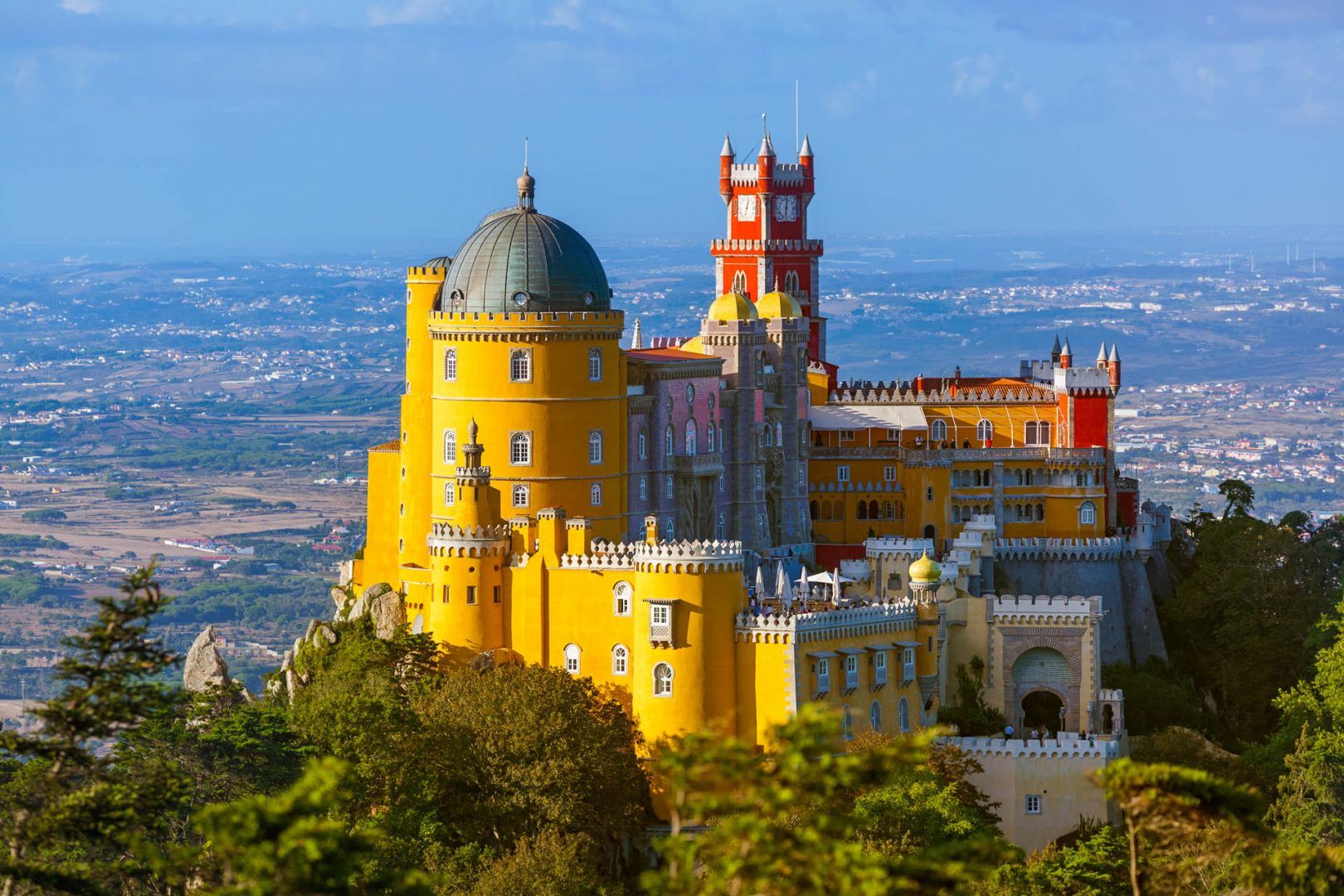
Colourful Sintra, Portugal palace Palácio da Pena © Shutterstock

Colorful Sintra, Portugal palace Palácio da Pena © Shutterstock

Average temperatures in February

In February, Portugal is still in its winter season, but temperatures are generally mild compared to much of Europe, and getting around Portugal during this month is relatively easy. Across the country, daytime temperatures usually range from the mid-50s to low 60s°F (12–18°C), depending on the region. Nights are cooler, often dipping to the low-to-mid 40s°F (6–10°C). 

Sea temperatures hover around 57°F (14°C), which is too chilly for most to swim comfortably without a wetsuit. This time of year is better for beach walks than beach days. The days are gradually getting longer—expect about 10 to 11 hours of daylight—giving you more time to explore without the summer heat or crowds.

LocationDaytime TemperaturesNighttime Temperatures
Porto/Northern Portugal50 to 59°F (11 to 15°C)41 to 46°F (5 to 8°C)
Lisbon/Central Portugal59 to 64°F (15 to 18°C)46 to 54°F (8 to 12°C)
The Algarve/Southern Portugal61 to 66°F (16 to 19°C)48 to 54°F (9 to 12°C)
Madeira64 to 68°F (18 to 20°C)55 to 59°F (13 to 15°C)

 Ready to see Portugal? Have our local Portugal travel experts create the perfect customized itinerary.

Ponta Delgada

Porto and northern Portugal

Northern Portugal tends to be the coldest part of the country in February. Daytime highs in Porto usually reach the low-to-mid 50s°F (11–15°C), while nighttime lows often fall to the low 40s°F (5–8°C). It’s still wintery, and you’ll likely get some rain—February averages around 10 days of it. The mornings can start off foggy, but by midday you might get clear skies. It’s a good idea to dress in layers. See our guide to how many days you need in Porto

Lisbon and central Portugal

Lisbon in February feels more temperate, with highs reaching the low 60s°F (15–18°C) and lows dropping to the upper 40s°F (8–12°C) at night. Rain can still happen, but there are also plenty of dry days to enjoy the city’s streets and viewpoints. Wind from the Atlantic can make it feel cooler at times, especially near the coast. You’ll still want a coat for the evenings, but during the day, a light jacket is usually enough. The city stays active well into the evening, and it's a great time for a Lisbon city break.

The Algarve and southern Portugal

Down south in the Algarve, February often brings some of the mildest weather in the country. Daytime highs usually land around 61–66°F (16–19°C), with nights staying in the high 40s to low 50s°F (9–12°C). Rain is possible but less frequent than in the north, and you’ll likely get more sun overall. The sea is still too cold for swimming—about 57°F (14°C)—but it’s a great time for hiking (see our guide to hiking in Portugal), cycling, or sitting out at a terrace on a sunny afternoon. 

Lisbon tram

The weather in Portugal in February is great for exploring Lisbon © Shutterstock

Is February a good time to visit Portugal?

February is still winter in Portugal, but it's a step up from the colder stretch in December and January. You can usually get around comfortably—cities, coastlines, and historical sites are all manageable without the summer heat or crowds. That said, the weather can be unpredictable. You might get sunny afternoons or a stretch of rainy days, so it’s smart to mix in some indoor plans.

Toward the end of the month, Carnival kicks off in Lisbon, Porto, and Loulé. If you're around for it, you’ll have the chance to see parades, costumes, and late-night street parties (more on that below).

If wine’s more what you’re interested in, this can be a good time to visit regions like the Douro Valley. It’s a quieter experience, and you can still do tastings and tours without big groups.

Just keep in mind that the days are a bit shorter in February, so it’s worth planning activities with daylight in mind. For more tips, see our guide to how to plan a trip to Portugal

  • Significantly lower prices and no crowds
  • Rainy and cool weather limits outdoor activities
  • Many beach facilities and seasonal restaurants closed
  • Perfect for cultural and city exploration
  • Good surfing conditions for experienced surfers

What about crowds and costs?

February is one of the quietest times to visit Portugal. Tourist numbers are low, which means fewer lines, more room to explore, and an overall slower pace. If you’re not into crowds, it’s a nice time to be here.

Prices tend to reflect the lull—flights, hotels, and even train tickets can be more affordable. It’s a good time for budget-conscious travelers to get around without breaking the bank.

The exception is Carnival. If you’re near one of the bigger celebrations, expect more people and higher prices during that window. If you want to be part of it, it’s best to book well in advance—rooms go fast.

If you’re after mild weather and light crowds but want a bit more daylight and slightly warmer days, March might be worth considering. It’s still outside the busy season but comes with a bit more consistency weather-wise. If you're still deciding, see our guide to the best time to visit Portugal
 

porto-portugal-shutterstock_549339307

The weather in Portugal in February is great for exploring Porto © Shutterstock

Where to go in Portugal in February

February’s a good month to see a different side of Portugal. It’s definitely quieter, but that’s part of the draw. You’re not dealing with crowds, and places feel more local. Here’s a pick of some of the best places to go in February, or if you are looking for more inspiration, see our guide to the best places to visit in Portugal.

Alentejo

In Alentejo, March is when the almond trees start blooming—big stretches of countryside turn pink and white, especially along the Almond Blossom Route. It’s a slow-paced region, mostly small towns and rolling farmland, so it’s easy to just drive and stop where things catch your eye. Campo Maior has some great local bakeries where you can try almond pastries, and spring events in smaller towns often include live folk music or food stalls. It’s also a decent time to visit local wineries—many start opening up again after winter. You’ll find old dolmens and quiet roads.

Porto

Porto feels more laid-back in March. You won’t be dealing with big tour groups, so it’s easier to enjoy things like port wine tastings down by the river. The Serralves Yards are a nice stop—camellias are usually in bloom, and it’s a good place for a quiet walk. You might catch an early music concert during Lent at Igreja dos Clérigos. The weather can be a mix of cool mornings and warmer afternoons, so it’s a good excuse to stop for caldo verde and coffee. This is a great base when on a trip to Portugal with kids.

Gerês National Park

March is a good time to see Peneda-Gerês National Park at a turning point—waterfalls are full from the rain, and the forests are just starting to come back to life. Trails like the 7 Lagoas are quieter now, and the pools are usually clear and flowing. Portugal wildlife tends to be more active in early spring, so you’ve got a better chance of spotting animals like golden eagles or boars. The mountain villages feel a bit like time capsules, and it’s a nice window into rural life before the busier hiking season kicks in. Some paths can be muddy, so bring decent shoes and take your time. Here are some of the best hikes in Portugal.

Praia Da Rocha beach, Algarve, Portugal

Praia da Rocha, Portimao, Algarve, Portugal © Shutterstock

What to do in Portugal in February

Portugal in February isn’t about beaches and sunshine—it’s quieter, cooler, and feels more local. You won’t be elbowing your way through crowds, and there’s still plenty to do. This is when Carnival kicks off, and wetlands fill with migrating birds. For more ideas, see our guide to undiscovered Portugal off the tourist trail.

Carnival in Torres Vedras

Carnival in Torres Vedras is one of the more down-to-earth celebrations, and it’s fun because it’s so rooted in local humor. You’ll see floats making fun of politicians and celebrities, and people in costumes that are intentionally over-the-top. One tradition that stands out is the matrafonas—men dressed up as caricatured female characters. Then there are the cabeçudos, giant puppet-like figures that parade through the streets. During the day it’s relaxed and family-friendly, but things pick up after dark with dancing and street parties.

Birdwatching in wetland preserves

Portugal’s wetlands are full of activity in February. Birds migrating from northern Europe stop here for the winter, and you can see species that aren’t around later in the year. Down near Faro, the Ria Formosa lagoon turns pink with flamingos. Around the Sado Estuary, white storks start building nests. And places like Lagoa de Óbidos are great for spotting waterfowl. The weather’s cool enough that you don’t have to rush out at dawn, which makes for a much easier day out. Going with a local guide helps a lot. This is one of the best things to do in Portugal.

Explore ice caves in Serra da Estrela

You might not picture Portugal when you hear “ice caves,” but the Serra da Estrela range gets snow every winter—and February is when it’s at its peak. That’s when these short-lived ice caves form inside the granite landscape, creating surreal frozen chambers you’d expect to see in Scandinavia. The best way to reach them is with a guided snowshoe tour.  For more advice see our Portugal travel tips.
 

Cooking class in Algarve, Portugal © Dre Roelandt

Cooking class in Algarve, Portugal © Dre Roelandt

Planning your itinerary

If you’re heading to Portugal in February, starting with a sample Portugal itinerary can make your trip planning a lot smoother. Here’s an idea for how to spend your time:

  • 5-day Portugal itinerary: Spend 2 days in Lisbon, wandering through Alfama, Belém, and Baixa. Then head to Porto for 3 days to check out the Ribeira neighborhood, visit wine cellars, and take a river cruise.
  • 7-day Portugal itinerary: From Foz do Minho, travel to Nazaré, Caparica, Galapos, and Comporta, and finish at the Algarve beaches.
  • 10-day Portugal itinerary: For a 10-day experience, this itinerary includes Lagos, Évora, Elvas, Lisbon, Coimbra, Serra da Estrela, Porto, and Peneda-Gerês National Park for a great mix of history, nature, and coastline.
Dre Roelandt

written by
Dre Roelandt

updated 08.01.2026

Dre Roelandt is originally from the United States but lives and works in Berlin, Germany. They are an in-house senior editor at Rough Guides. Dre is a writer and fine artist with a passion for travelling.