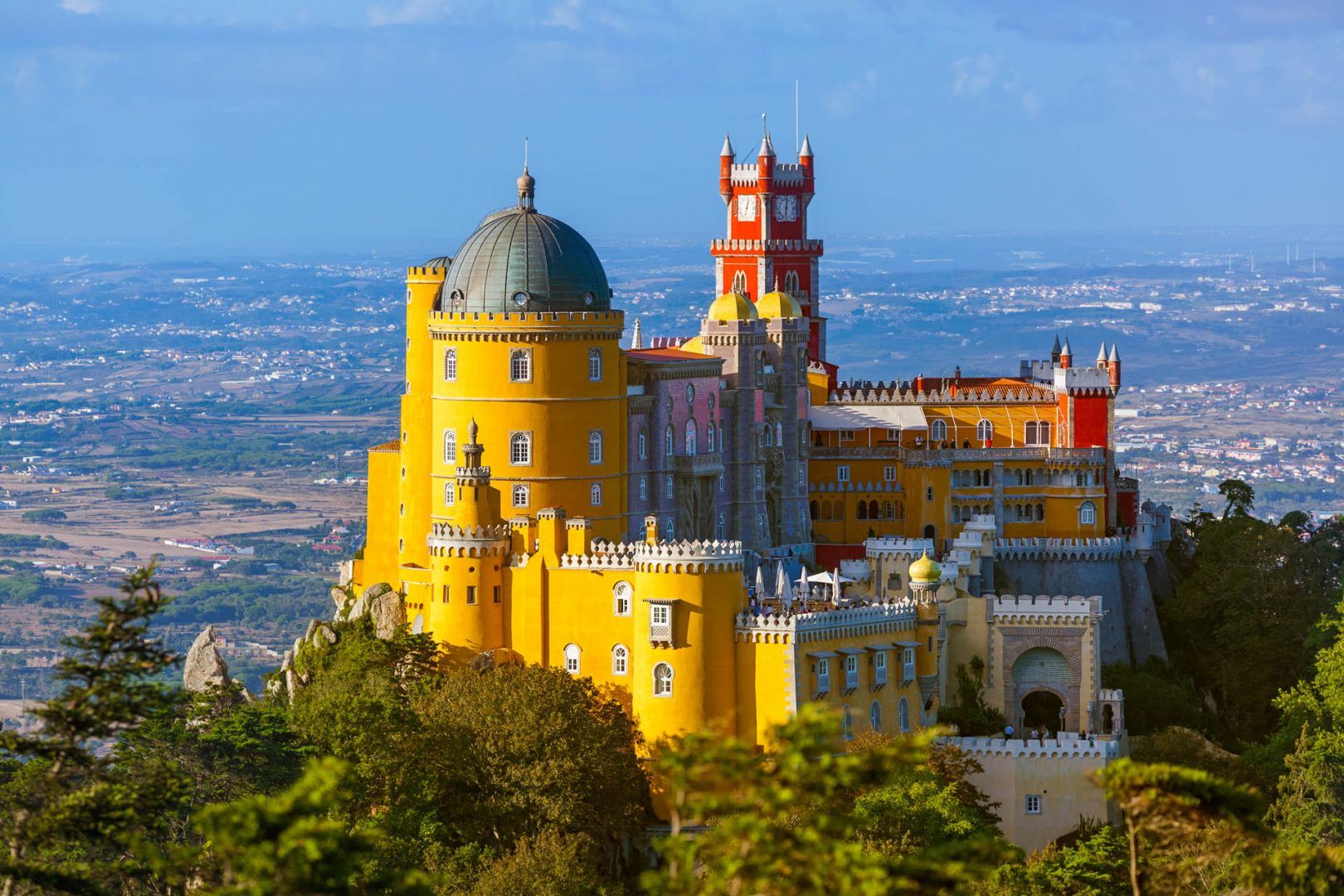
What to do in Portugal in March
March is a good time to be in Portugal if you want to experience the country without the summer crowds. The weather’s mild—comfortable for walking around—and you’ll catch the start of spring, with festivals and blooming landscapes. Restaurants and hiking trails are quieter, and you don’t need to plan everything weeks in advance. For more ideas, see our guide to undiscovered Portugal off the tourist trail.
The Schist Villages
The Schist Villages (Aldeias do Xisto) are a collection of small stone villages tucked into the hills of central Portugal. They’re made almost entirely from schist, a dark, layered rock with bits of quartz, and they look especially striking as spring starts to come in. In March, the trails that connect the villages are peaceful, with wildflowers starting to show up along the way. Local craftspeople often reopen their studios around this time, so you can see traditional work like basket weaving and linen spinning. Near Serra da Lousã, cherry trees begin blooming in mid-March. This is one of the best things to do in Portugal.
Almond Blossom Festival
Vila Nova de Foz Côa is known for its almond trees, and March is when they bloom—whole hillsides covered in white and pink flowers. The local Almond Blossom Festival celebrates this moment with music, food, and folklore. There’s a legend behind it: a Moorish king supposedly planted almond trees to remind his wife of snow from her homeland. During the festival, you’ll see traditional dancing in the town squares, hear accordion music, and find handmade candy like sugar-coated almonds (amêndoas cobertas) at local stalls. There are also guided walks through the orchards, where you can learn about how almonds are harvested and used in regional cooking
Smuggling Festival
The Festival do Contrabando takes place between two border towns: Alcoutim in Portugal and Sanlúcar de Guadiana across the river in Spain. The Guadiana River separates the two, but in the past, people regularly crossed it to smuggle goods like coffee, tobacco, and fabric. The festival recreates that history over a weekend, with locals dressed in 1930s–1950s clothes and theatrical reenactments of smuggling scenes. You can take small boats across the river, check out artisan markets, and try local dishes—like lamb stew on the Portuguese side or tapas from the Spanish stalls. There’s music throughout, including fado and flamenco. For more advice see our Portugal travel tips.

 Travel Expert