Weather in France in February

Select Month

start planning

 The weather in France in February is still wintery, with cold temperatures and a mix of rain, frost, and snow depending on where you go. Ski resorts are in full swing, especially in the Alps and Pyrenees. Cities like Paris stay chilly and gray, but the museums are quiet and travel costs are lower. It’s a solid month for a cultural trip without the crowds.

France in February at a glance

  • Low temperature range 30°F to 38°F (-1°C to 3°C); high 40°F to 50°F (4°C to 10°C).
  • Expect a mix of cold, rainy, and snowy weather, depending on where you travel.
  • Sitting in low season, February is quieter and cheaper, except in popular ski resorts.
  • Ideal for winter sports, and a cost-effective time for culture-oriented vacations.

What is the weather like in France in February?

Though usually less rainy than the November-December peak-precipitation period, the chilly month of February remains relatively wet in many areas of France.

For example, Paris and Northern France see around 1.8 to 2.5 inches (45 to 65 mm) of rain through the month, with Southern France (Provence, Côte d'Azur) experiencing around 1.6 to 2.4 inches (40 to 60 mm).

Meanwhile, the driest months, July and August, see an average of 0.5 to 1.5 inches (12 mm to 40 mm).

February is also a prime month for snow in France, and is considered by many to be the best time to enjoy winter sports in the French Alps, Pyrenees and Vosges Mountains.

While cold temperatures maintain the snowpack, an increase in sunny days makes experiences on the slopes even more enjoyable. It's a great time to plan your France itinerary.

Val d'Isere at sunset, Tarentaise, Alps, France © Shutterstock

The weather in France in February attracts skiers to the likes of Val d'Isere © Shutterstock

Average daily temperatures in February

February brings a mix of winter weather across France, depending on where you are. In Paris, daytime temperatures usually reach around 46°F (8°C), with nights dropping to about 36°F (2°C). Down south in Nice, it’s a bit milder, with highs around 55°F (13°C) and lows around 41°F (5°C). The Alps stay below freezing most of the time, which keeps the ski slopes in good shape. Over in Bordeaux, you’re likely to see highs near 52°F (11°C).

It’s a little warmer than January overall, but it’s still winter. Northern France tends to be damp and gray, with light rain fairly often. Inland areas usually start off frosty in the mornings, but things warm up a little by afternoon. The Mediterranean coast gets more sun, even if it stays cool. Mountain regions stay cold enough to hold onto consistent snow.

If you're thinking about the coast, keep in mind that sea temperatures are around 55°F (13°C) on the Mediterranean and closer to 50°F (10°C) along the Atlantic. Swimming isn’t really on the table, and the Atlantic tends to be rough this time of year.

The days are starting to get longer. In Paris, the sun rises around 7:45 AM and sets by about 6:15 PM, giving you 10 to 11 hours of daylight. If you're planning to explore cities, February can work well as long as you dress in warm layers.

LocationDaytime temperaturesNighttime temperatures
Paris46°F (8°C)36°F (2°C)
Nice (French Riviera)55°F (13°C)41°F (5°C)
Bordeaux (Southwest)52°F (11°C)37°F (3°C)
Lyon (Central)48°F (9°C)34°F (1°C)

Ready to see France? Have our local France travel experts create the perfect customized itinerary.

Ski resort village Courchevel in France by winter © Shutterstock

Courchevel, France © Shutterstock

Is February a good time to visit France?

February can be a refreshing time to experience France, especially if you’re not expecting warm weather or long days outside. It’s still winter, but manageable with the right layers.

This is high season for skiing, with the Alps in full swing. Resorts like Chamonix and Val d’Isère have reliable snow and a lively mountain atmosphere. In Paris, you’ll find shorter lines at museums and a cozier vibe in cafés and restaurants. Fashion Week brings extra buzz to the city around this time too.

If you're heading south, the Nice Carnival usually kicks off in mid to late February. It’s one of the region’s biggest events, with parades, flower displays, and music in the streets. Over in Alsace, the wine route villages can look especially charming with a dusting of snow. For more tips, see our guide to how to plan a trip to France

  • Alpine ski conditions are usually at their best
  • Museums are quieter than in summer
  • Carnival brings energy to the Riviera
  • Accommodation tends to be cheaper outside of ski towns
  • Expect gray skies and rain in northern areas
ski-vallee-blanche-chamonix-france-shutterstock_735630244

Chamonix, France © Shutterstock

What about the crowds and cost?

February is part of the low tourist season in most regions of France, meaning you can expect smaller crowds at popular attractions and museums. 

However, note that ski resorts in the Alps and Pyrenees are very busy during this month, especially around mid-February when many European countries have school vacations.

With the exception of ski resorts, which will have higher prices, travel costs in February are generally lower than in the summer. 

In short, you stand a good chance of bagging decent deals on flights, hotels, and tours in major cities.  If you're still deciding, see our guide to the best time to visit France

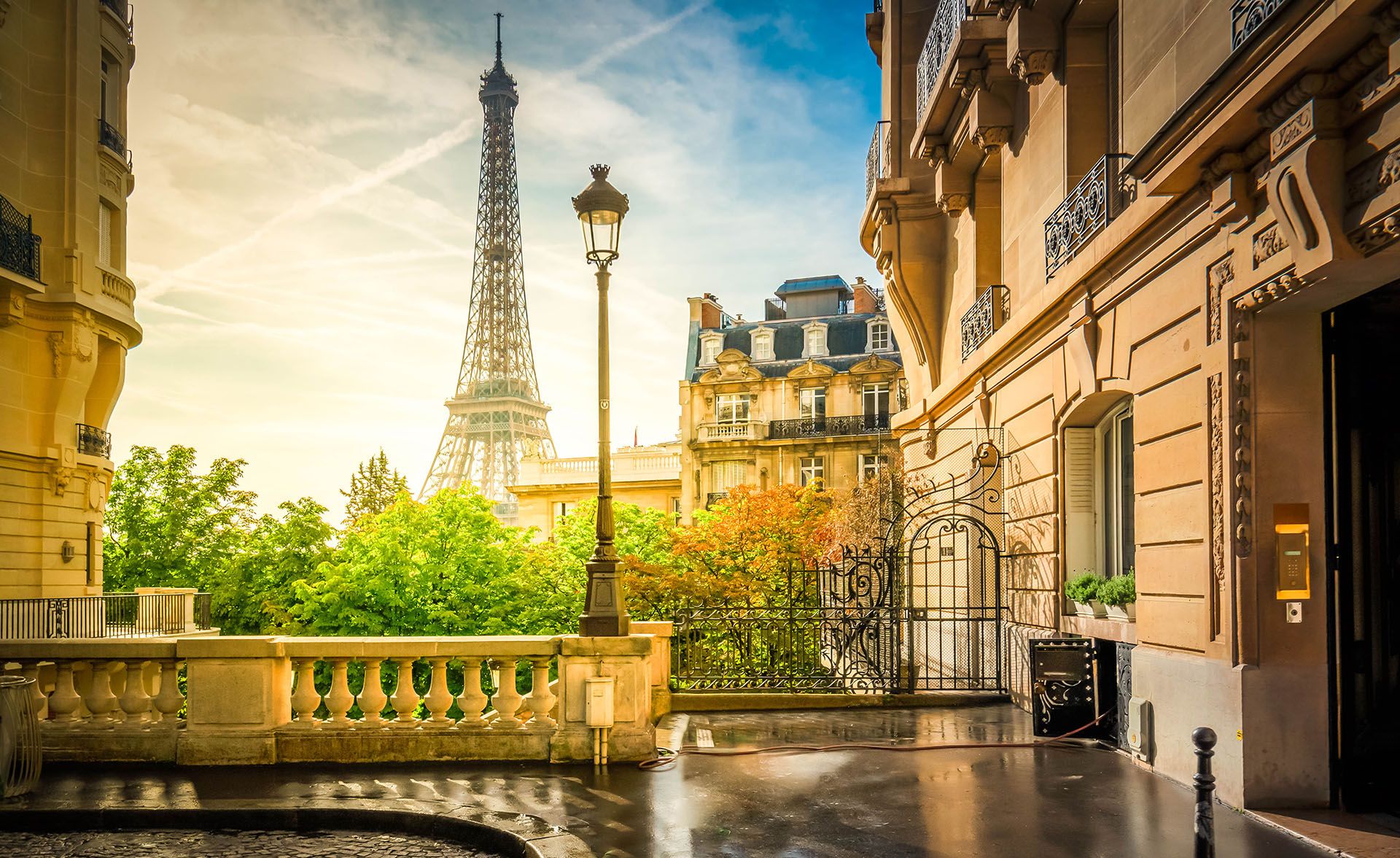
Paris street with view on the famous Eiffel Tower © Neirfy/Shutterstock

Paris, France © Shutterstock

Where to go in France in February?

February is a quieter time to travel around France, but there’s still a lot going on.  Here are some of the best places to visit in France

Paris

Paris in February is slower and easier to navigate than during the warmer months. Museum lines are shorter, and it’s often easier to get a table at popular restaurants that usually book out in advance. The light in winter can be really striking, especially around late afternoon, when the buildings take on a warmer tone. It’s also a good time to take things indoors: cafés, museums, markets, and galleries. You’ll see more Parisians than tourists in the bistros, many of them ordering French onion soup or mulled wine. See our pick for the best things to do in Paris.

Nice

Nice has relatively mild weather in February, and the Nice Carnival brings a lot of color to the city mid-month. Parades, costumes, and music take over the main streets, but it’s still easy to find quieter corners. The Promenade des Anglais is less busy than usual, so you can walk along the coast without crowds. The old town helps block the wind and occasional rain, and there are plenty of small local restaurants to duck into for socca or pissaladière. 

Lyon

Lyon in February feels grounded and local, which makes it a good time to experience the city without distractions. You can warm up in a bouchon with traditional dishes like quenelles or andouillette, and the old town is easier to explore without the summer foot traffic. Look out for traboules, the old passageways that run between buildings in the historic center. The city looks great at night when lights reflect off the rivers, and even in the cold, the markets are worth visiting. You’ll see a lot of regional produce this time of year, from Bresse chickens to strong local cheeses. 

Gare de Nice-Ville, the central train station of Nice © Shutterstock

Gare de Nice-Ville, Nice © Shutterstock

What to do in France in February

February in France is a mix of winter sports, local food traditions, and cultural events. The ski season is in full swing, with long days and steady snow in the mountains. Here are some of the best things to do in France.

Ski the French Alps

February is one of the most reliable months for skiing in the French Alps. Big-name resorts like Val d’Isère and Chamonix have hundreds of miles of ski runs, plus off-piste areas for more experienced skiers. Snow conditions are generally good, and daylight hours are longer than earlier in the season. On-mountain restaurants serve hot comfort food like tartiflette and mulled wine, with views over snow-covered peaks. Even if you’re not skiing, there’s plenty to do. You can go snowshoeing, take a dog sled ride, or just ride a cable car for the views. Many resorts also have ski schools.

Nice Carnival

Nice Carnival is one of the biggest winter events in France. For a couple of weeks in February, the city fills with floats, parades, and live music. You’ll see giant papier-mâché figures, dancers in costume, and themed events that change every year. One of the most well-known parts is the Battle of Flowers, where floats throw thousands of fresh flowers into the crowd. Evening events include illuminated parades along the Promenade des Anglais and concerts in the main squares. The mood is festive, and it’s easy to catch the celebrations just by walking through the city. 

Hunt for truffles

February is peak season for black truffles in places like Provence and Périgord. You can join a morning truffle hunt with local producers who work with trained dogs to sniff out the truffles hidden under oak trees. It’s a low-key experience but one that gives real insight into how truffles are found and why they’re so highly valued. After the hunt, many places include a simple meal featuring truffles shaved over eggs, pasta, or potatoes. Local markets sell truffles by weight, and restaurants often have seasonal menus at lower prices than in the high summer months. For more advice, see our France travel tips.

City of Marseille harbor and Notre Dame de la Garde church on the hill view, southern France © Shutterstock

Planning your itinerary

Our France itineraries are crafted to help you experience the best of the country, stress-free. Think of them as a starting point—perfect for planning but flexible enough to adjust to your own pace and interests. After all, travel is about freedom, but a little planning goes a long way.

Joanne Owen

written by
Joanne Owen

updated 08.01.2026

Joanne is a Pembrokeshire-born writer with a passion for the nature, cultures and histories of the Caribbean region, especially Dominica. Also passionate about inspiring a love of adventure in young people, she’s the author of several books for children and young adults, hosts international writing workshops, and has written articles on the Caribbean and inspirational community initiatives for Rough Guides. Follow her @JoanneOwen on Twitter and @joanneowenwrites on Instagram.