
10 Things to Do in the Médoc, France’s Most Underrated Region

Select Month

start planning

For many visitors, the Médoc begins and ends with wine. The region north of Bordeaux is home to some of the world’s most famous vineyards, and its château-lined roads have become synonymous with prestigious labels and centuries of winemaking tradition.

Yet focusing only on wine means missing much of what makes the Médoc special. Stretching between the Atlantic Ocean and the Gironde Estuary, this corner of southwest France offers a remarkably varied landscape of wild beaches, pine forests, freshwater lakes, quiet villages and nature reserves. It is a place where surf culture sits alongside historic wine estates, cycling trails disappear into forests, and long lunches matter more than ticking attractions off a list.

Unlike parts of the French Riviera or Provence, the Médoc has largely resisted overdevelopment. Life moves at a gentler pace here. The beaches are broader, the crowds smaller and the atmosphere noticeably more relaxed.

Whether you are extending a trip to Bordeaux or planning a dedicated stay along the Atlantic coast, these are some of the best ways to experience the region.

1. Explore Soulac-sur-Mer’s Belle Époque villas

At the northern tip of the Médoc sits Soulac-sur-Mer, one of the most charming seaside towns on France’s Atlantic coast. Accessible by train from Bordeaux, it works well as a day trip or as a relaxed extension to a city break.

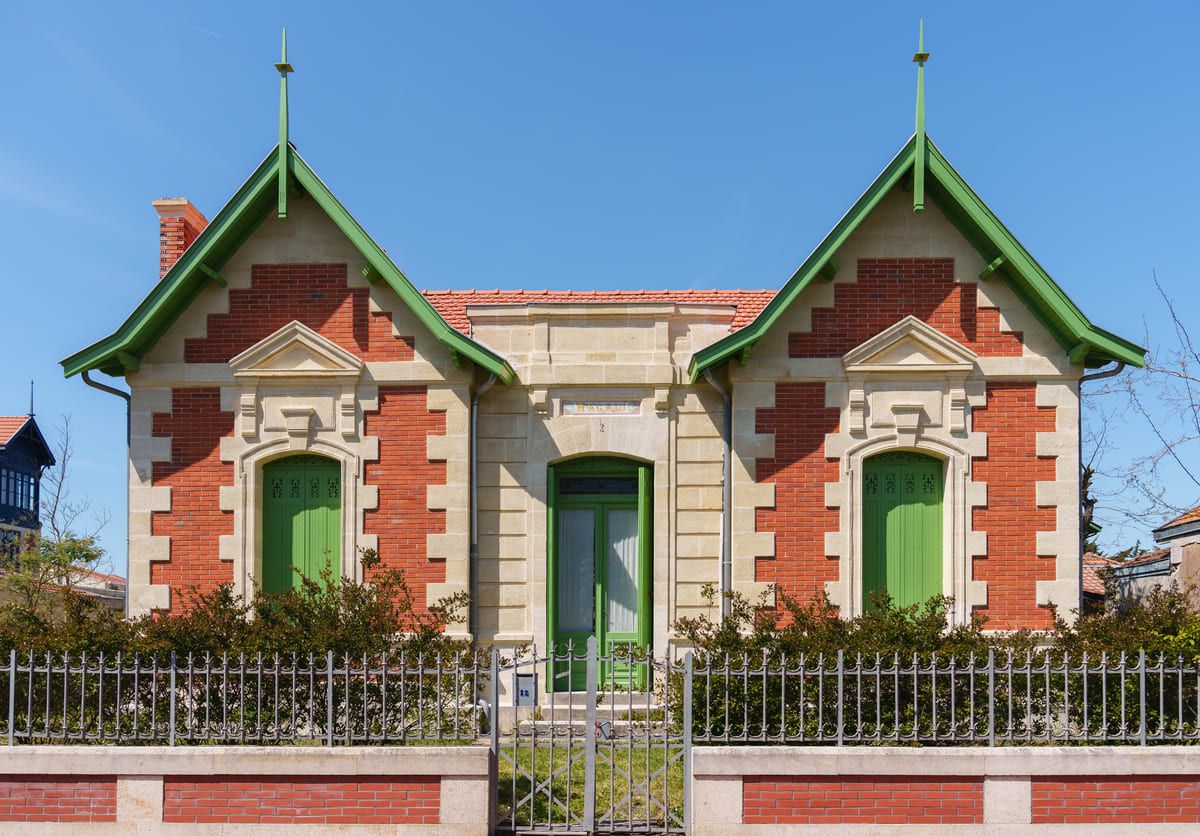
Soulac feels like a French seaside town untouched by glossy reinvention. Rather than large apartment developments and fashionable beach clubs, visitors find elegant Belle Époque villas painted in soft pastels, decorative wooden balconies and wide streets lined with pine trees.

There is a faded glamour to the town that only adds to its appeal. Many of the villas date from the late 19th century, when Soulac emerged as a fashionable resort destination. Today, they remain beautifully preserved.

Away from the beach, the UNESCO-listed Basilica of Notre-Dame-de-la-Fin-des-Terres provides a reminder of the town’s much older history. Wander the quiet streets, stop for coffee at a local café and enjoy a pace of life that feels increasingly rare in modern coastal resorts.

Soulac  - Villa soulacaise 5 - © Nohcab - max (1).jpg

A typical villa in Soulac-sur-Mer © Nohcab – impression

2. Visit the Pink Château

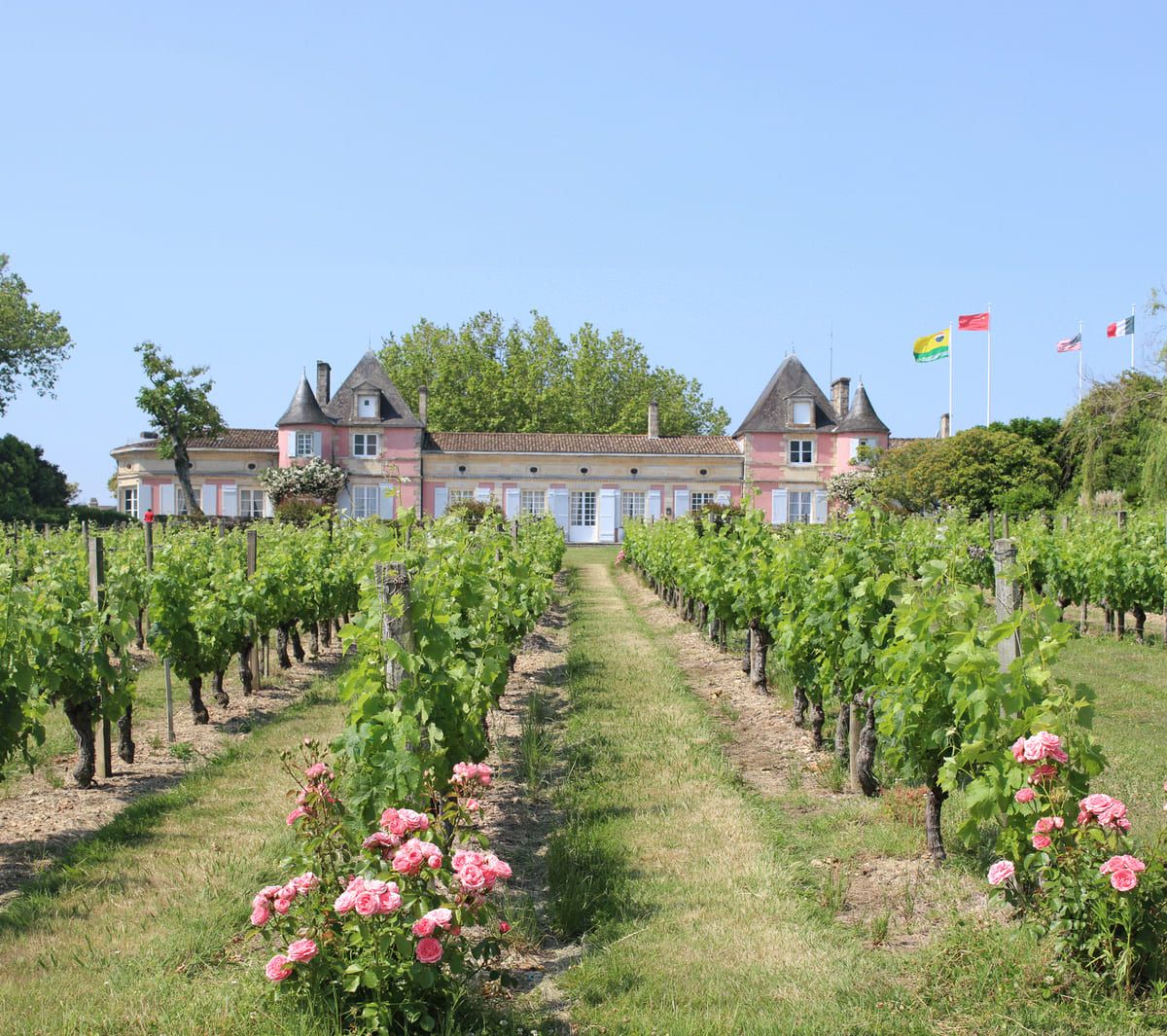
Often referred to as the “Pink Château”, Château Loudenne has a distinctive rose-coloured façade that stands out against the surrounding vineyards and estuary landscape. Set beside the Gironde Estuary, it occupies one of the most scenic locations in the region.

Even visitors with little interest in wine will find plenty to enjoy here. The appeal lies as much in the setting as in the tasting itself. Views across the water, maintained grounds and centuries of history combine to create an experience that feels welcoming rather than intimidating.

You can book a picnic featuring local produce and a bottle of wine to enjoy on the estate grounds. There are also cottages available to rent, each with a fireplace and private terrace, offering a peaceful retreat among the vineyards.

Bateau-Loudenne.jpg

Château Loudenne

3. Watch the sunset over the Atlantic in Lacanau

If Soulac represents the region’s historic seaside charm, Lacanau showcases its youthful energy. One of France’s best-known surf destinations, Lacanau is defined by vast beaches, rolling Atlantic waves, and an easy-going atmosphere that feels far removed from the glamour of the Mediterranean coast. It may not be one of the most obvious best places to visit in France, but for Atlantic surf, sunset drinks, and a wilder kind of beach culture, it more than earns its place.

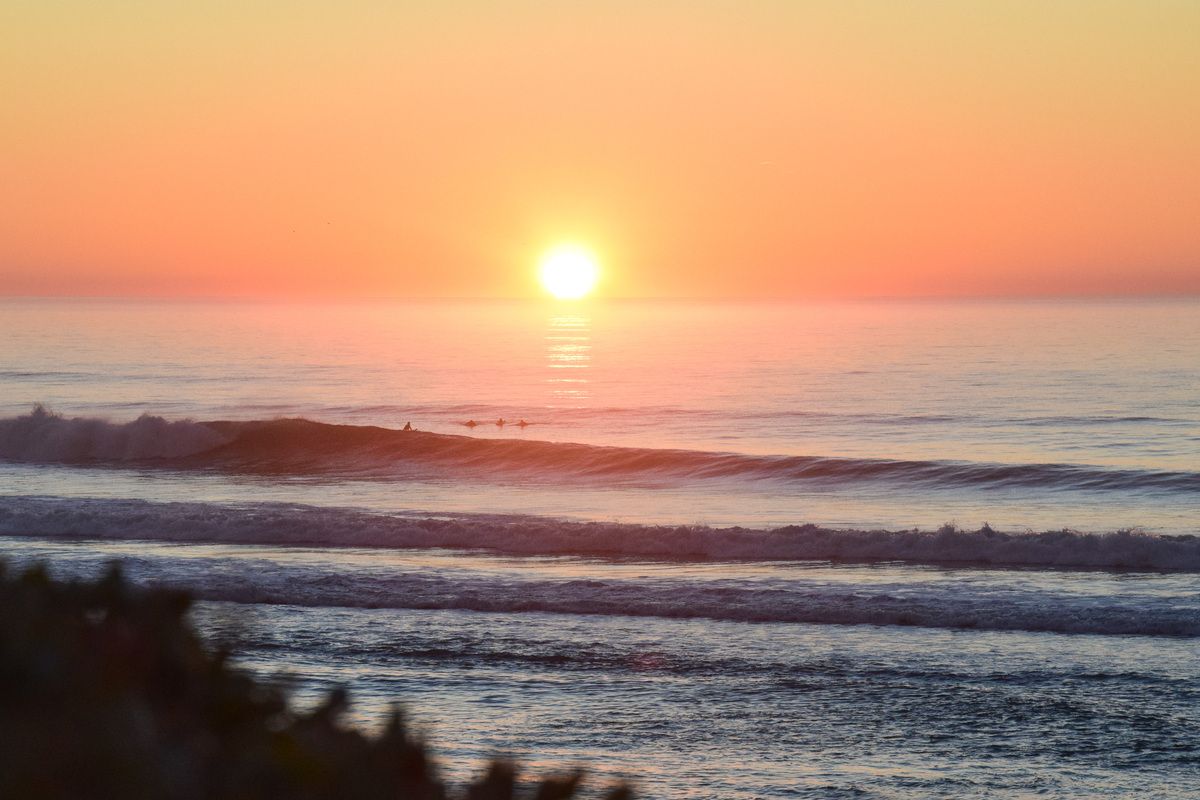
As evening approaches, surfers emerge from the water, beach bars begin to fill, and the sky stretches towards the horizon. There is something wonderfully uncomplicated about the scene: no yachts, no designer boutiques, no dress codes, just salty air, sandy feet, and one of France’s most memorable sunsets.

Find a spot on the beach, order a drink, and watch the sun drop into the ocean. It is one of the Médoc’s simplest pleasures, and one of its best.

Océan medoc atlantique.jpg

Surfers catching the final waves of the day as the sun sets over Lacanau @medoc atlantique

4. Eat exceptionally well without Michelin formality

The Médoc may not have the culinary reputation of Lyon or Paris, but visitors willing to explore will quickly discover a food scene built around local ingredients, generous cooking and understated quality.

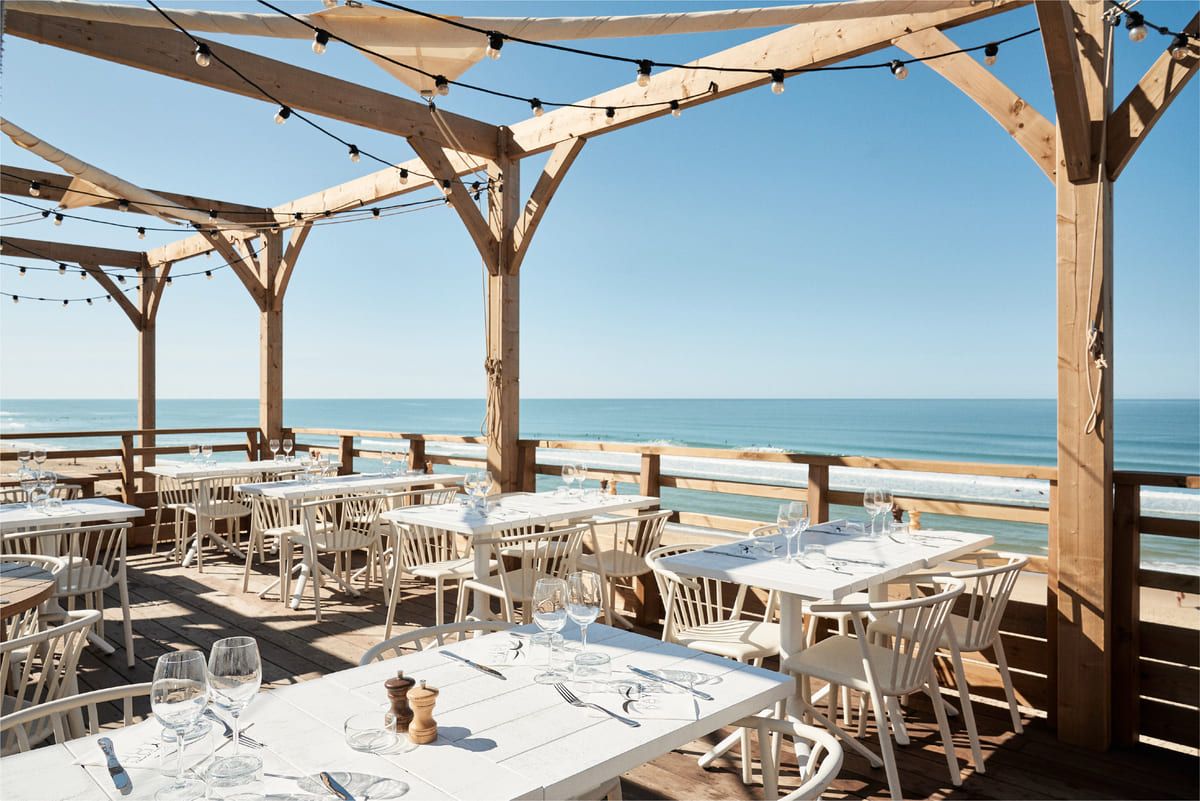
Restaurants such as Le LB, Kayoc and La Conche show how good regional cooking can be when it focuses on produce rather than performance. Seafood naturally plays a starring role, with oysters, fish and shellfish appearing regularly on menus. Local markets supply seasonal vegetables, while nearby farms provide meat, dairy and other regional products.

pub kayoc.jpg

Ocean views at Kayoc

5. Wander through the Hourtin Dunes and Marshes Nature Reserve

The Médoc’s coastline often surprises first-time visitors. Rather than densely developed beachfronts, much of the landscape remains remarkably wild, and nowhere is this more apparent than the Hourtin Dunes and Marshes Nature Reserve.

This protected area combines dunes, wetlands, pine forests, and open coastal habitats, creating one of the region’s most atmospheric natural landscapes.

For birdwatchers, photographers, and anyone seeking a quieter side of the Médoc, it offers a welcome contrast to the beaches and vineyards, and a refreshing pause in a France itinerary shaped by both coast and countryside.

Hourtin - Balade réserve naturelle 19 - © Noé Bugnot - 2033.jpg

Explore the Hourtin Dunes © Noé Bugnot - 2033

6. Paddleboard or kayak across Lacanau Lake

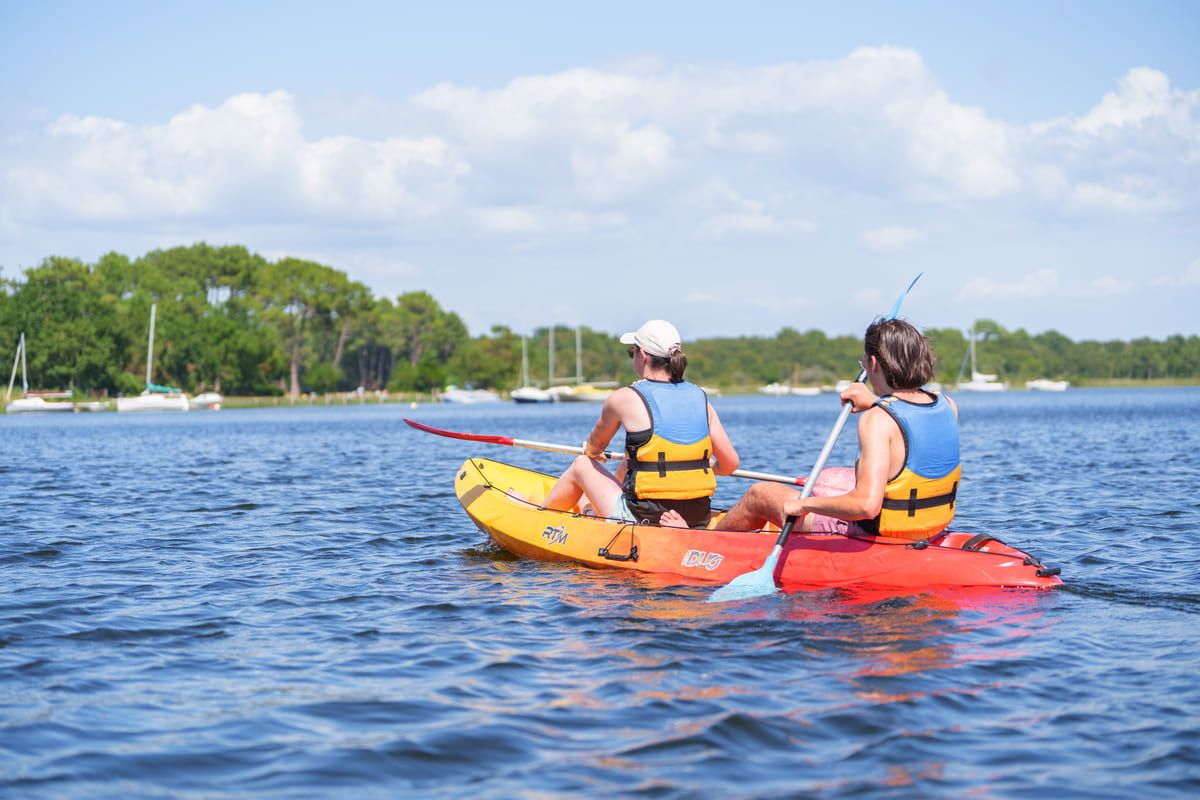
While the Atlantic provides drama, Lacanau Lake offers calm. Surrounded by forests and sheltered from the ocean winds, the lake has become a favourite destination for paddleboarding, kayaking and other water-based activities.

The calm conditions make it ideal for beginners, families and travellers who want to enjoy the outdoors without needing specialist skills.

The contrast between lake and ocean is one of the region’s great strengths. Within a short distance, travellers can experience two completely different sides of the Médoc.

Kayak Cris Loisirs Lac de Lacanau 9 - ©Nohcab

Kayaking is a great way to get out and see more of Lacanau Lake © Nohcab – impression

7. Stay somewhere with character

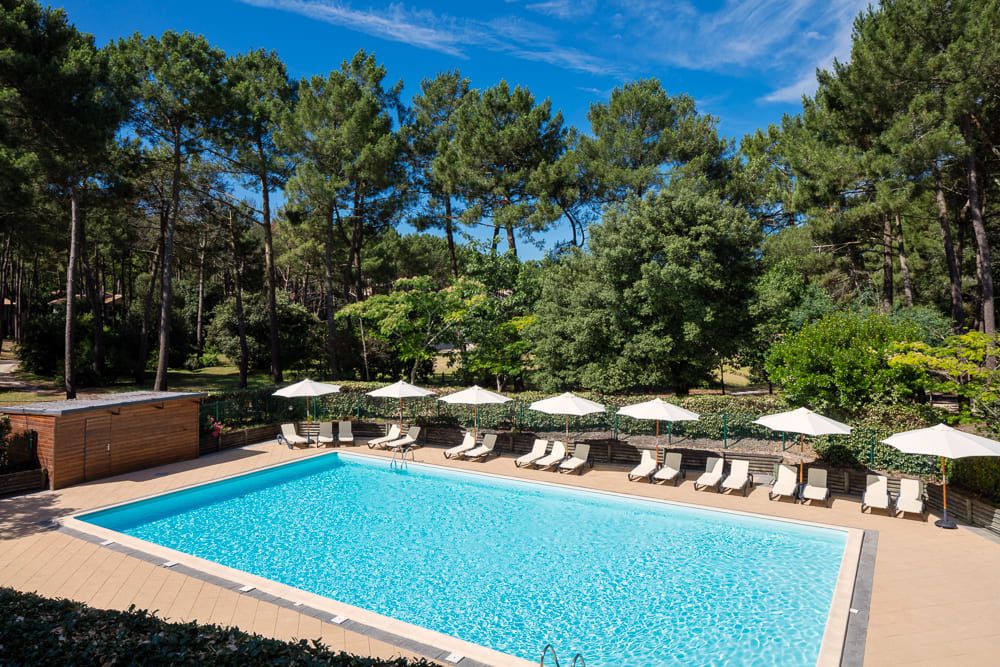
Rather than large-scale resort developments, many visitors choose smaller properties that reflect the character of the region itself. Hôtel Michelet offers traditional charm and personal hospitality, while VitalParc Hotel provides a more contemporary stay surrounded by pine forest and wellness facilities.

For those looking to stay even closer to nature, Le Tedey Campsite has a lakeside setting on the shores of Lacanau Lake, with accommodation ranging from traditional camping pitches to tiny houses and lodge tents nestled among the pines.

vitalparc.jpg

Relax by the outdoor swimming pool at VitalParc Hotel

8. Discover the Médoc’s quiet wine culture

Wine remains central to life in the Médoc, but it often feels different from the image many visitors expect.

Away from the internationally famous estates, there is a quieter and more accessible wine culture built around family-run properties, local traditions and genuine hospitality.

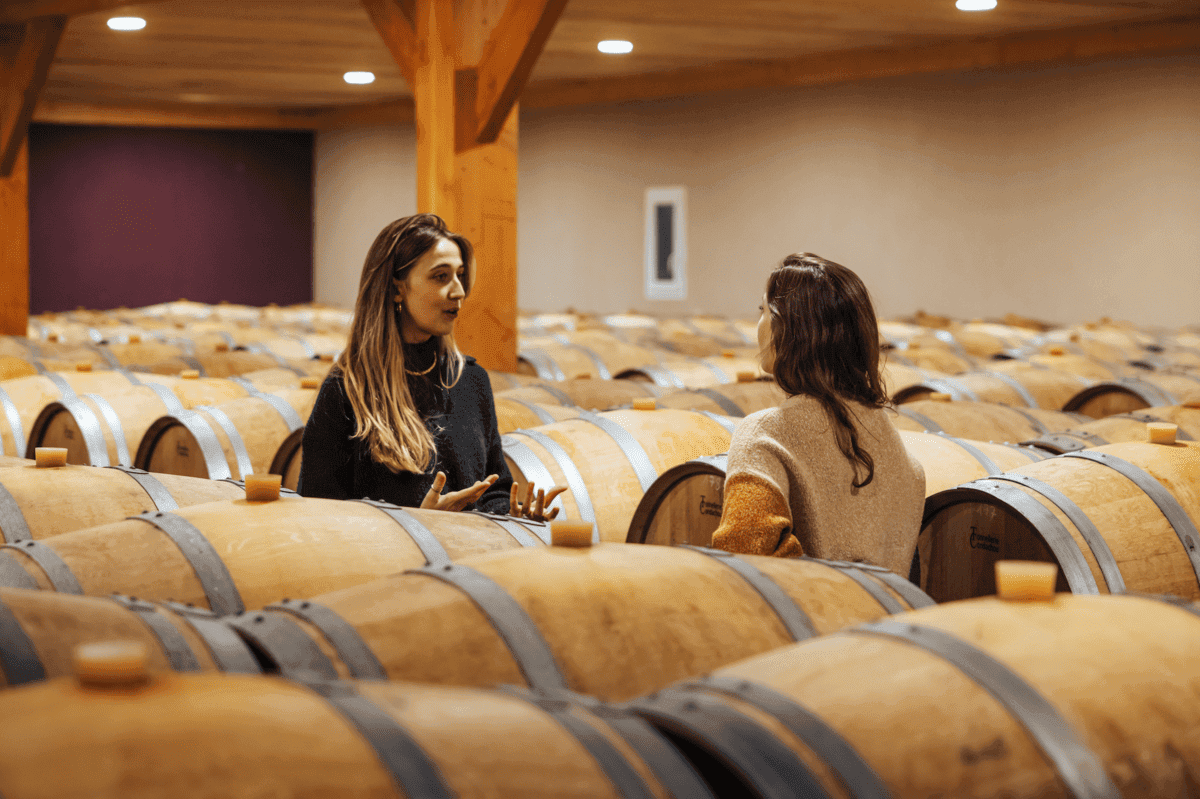
Château Saint-Hilaire provides a good example. Tastings tend to feel informal and welcoming rather than heavily choreographed. Visitors are encouraged to ask questions, learn about the winemaking process and enjoy the experience without needing specialist knowledge.

Scherm_afbeelding 2026-06-22 om 11.05.03.png

Learn all about wine at Château Saint-Hilaire © French Wanderers

9. Cycle through pine forests and coastal paths

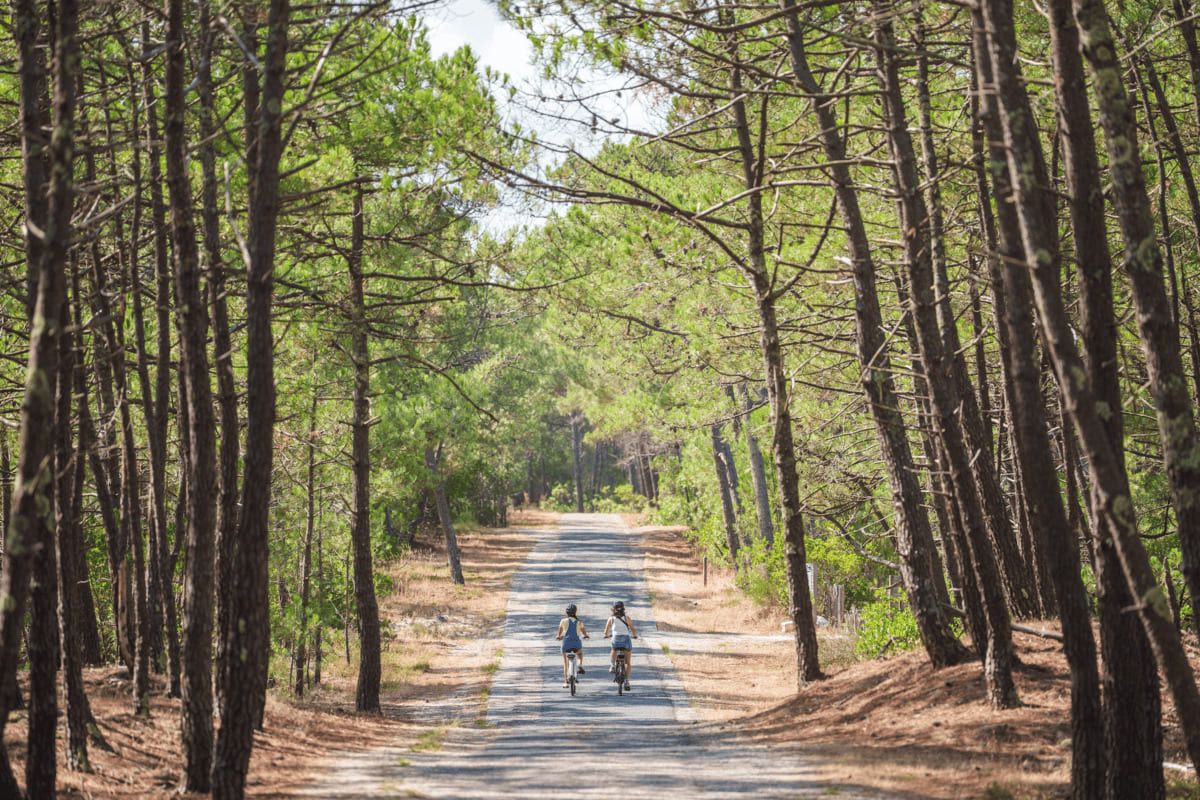
An extensive network of cycling routes links beaches, forests, villages and lakes, allowing visitors to experience the region at a slower and more sustainable pace.

Many trails pass through fragrant pine forests before emerging onto dune-backed coastlines and Atlantic viewpoints. Others connect smaller communities that might otherwise be missed when travelling by car.

Cycling also helps reveal the region’s scale. Distances feel manageable, the terrain is generally accessible, and the changing scenery keeps each ride interesting.

With fresh ocean air and relatively quiet roads, it is one of the most rewarding ways to explore the Médoc’s diverse landscapes.

Scherm_afbeelding 2026-06-22 om 11.05.36©Nohcab.jpg

There are plenty of quiet cycling paths that wind through the pine forests in the region © Nohcab – impression

10. Discover the Oyster Port of Talais

For a glimpse of the Médoc at its most local, head north to Talais. This small village on the edge of the Gironde Estuary feels far removed from the region’s better-known wine routes and Atlantic beaches.

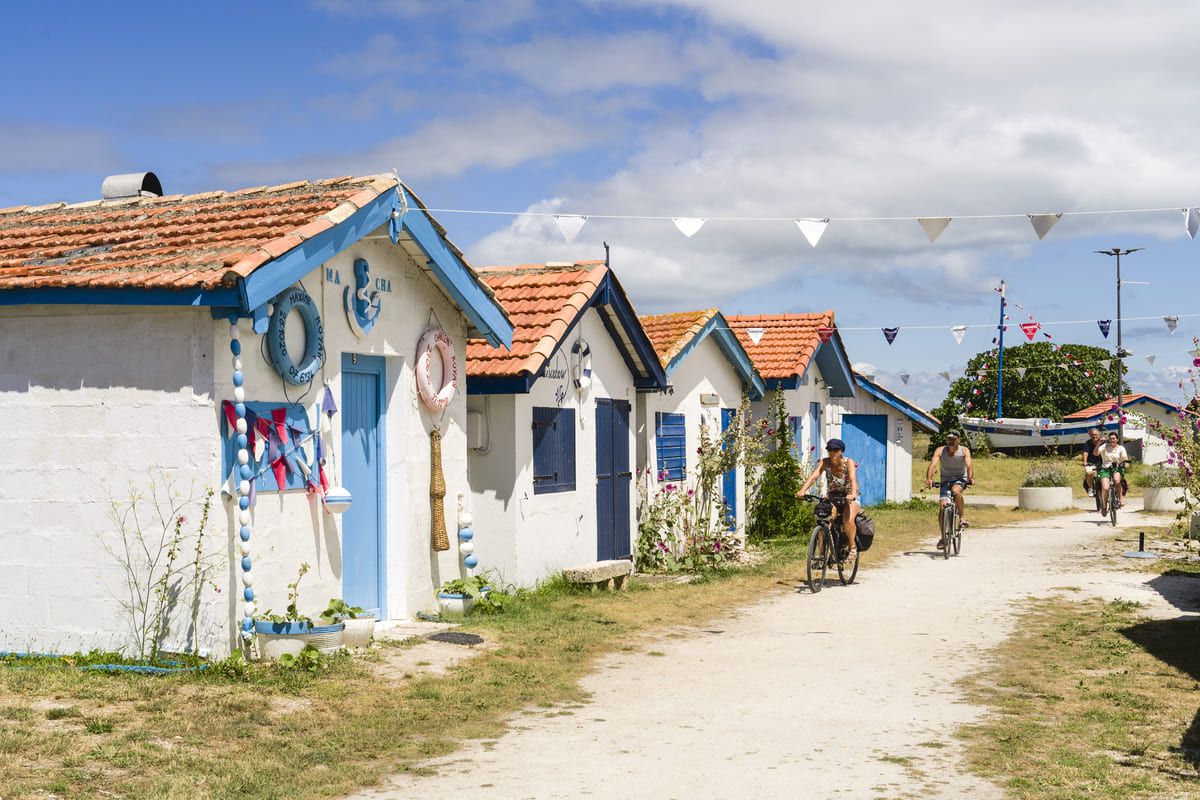
The village’s oyster port is one of the area’s hidden gems. Colourful wooden huts line the waterfront, fishing boats bob in the harbour, and oyster farmers continue a way of life that has shaped this corner of the estuary for generations.

There are no grand attractions or major landmarks demanding your attention. Instead, Talais rewards visitors who enjoy simple pleasures: walking along the water’s edge, watching the changing light over the estuary and settling into a waterfront terrace with freshly harvested oysters or a galette and a glass of chilled white wine.

The atmosphere feels distinctly local. Unlike many coastal destinations, Talais has avoided significant tourism development, retaining the character of a working village still little-known beyond the region.

Port de Talais_Talais ©Gaëtan Leprévost

Colourful wooden huts in Talais © Gaëtan Leprévost

Beth Williams

written by
Beth Williams

updated 24.06.2026

Beth Williams is a travel writer and editor for Rough Guides. She has lived in the USA and Germany, before coming home to East London. Her adventures have taken her to Southeast Asia, USA and through much of continental Europe. She likes seeking out new dishes she hasn’t tried before and is a firm believer that you can tell a lot about a country from its local food market.

Rough Guides connects you with vetted France travel agents who create personalized trip plans from scratch based on your travel style, pace, interests, and budget. Instead of choosing from fixed packages, you can receive up to 3 different itinerary proposals, compare approaches from different local agents, and refine the preferred trip together until it fits the way you want to travel.