Austria summer holidays, and beyond: make lasting memories

Select Month

start planning

Austria summer holidays hit different. And so, too, do holidays in Austria around the year. No matter when you visit, you’ll most likely find something fresher, and a feeling of freedom. Think rejuvenating days exploring rivers, lakes and breath-taking mountains. Think cities, towns and Alpine villages that sparkle in every season. There’s even a word for these kinds of experiences: Lebensgefühl. Translating to “feeling of life”, and akin to French joie de vivre, Lebensgefühl makes Austria a gratifying destination at any time of year, easily accessed by direct flights from the UK.

Salzburg, Upper Austria and Salzkammergut come especially recommended as rewarding year-round destinations, as revealed right below, along with intel on how to plan the perfect trip.

Why Austria works for city breaks and outdoor trips in every season

First up, on the practical front, Austria is well-served by several airlines from multiple UK locations around the year, with a short flight time making it easy to embrace Lebensgefühl in every season.

Flights from the UK to Salzburg and Linz in Upper Austria operate frequently around the year, which means you have plenty of seasonal flexibility, whether you’re in the market for a spring city break that combines culture and nature, or want to enjoy a longer summer or early-autumn holiday exploring Austria’s great outdoors.

In fact, one of Austria’s defining joys as a destination is how it offers a diversity of experiences and activities around the year. In Austria, festivals, events and world-class concerts are frequent, and you’re never far from being able to begin your adventure, or relax, in stunning natural surroundings.

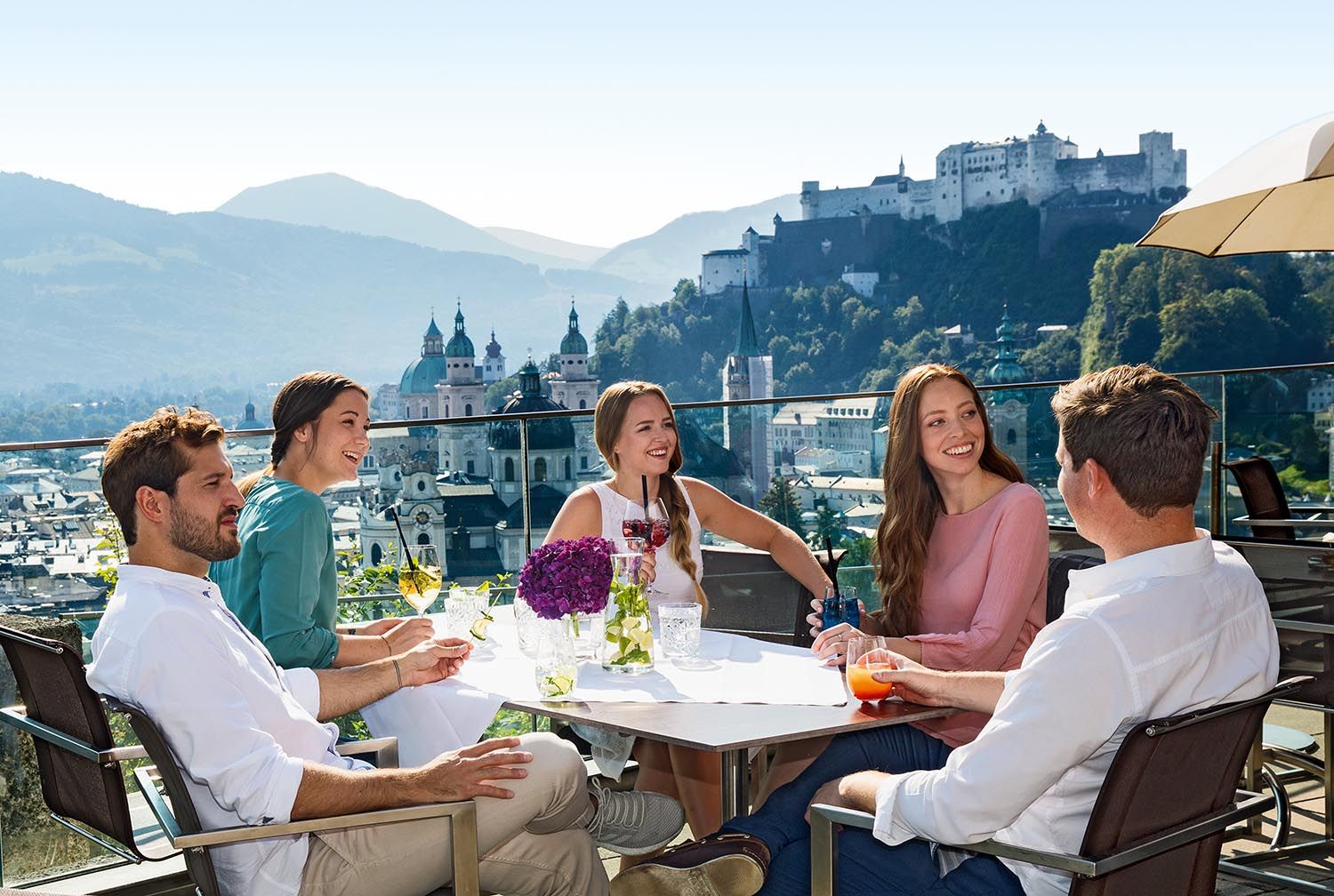
Spring in Salzburg © Tourismus Salzburg GmbH/G Breitegger

Spring in Salzburg © Tourismus Salzburg GmbH/G Breitegger

Salzburg: culture, viewpoints and seasonal events

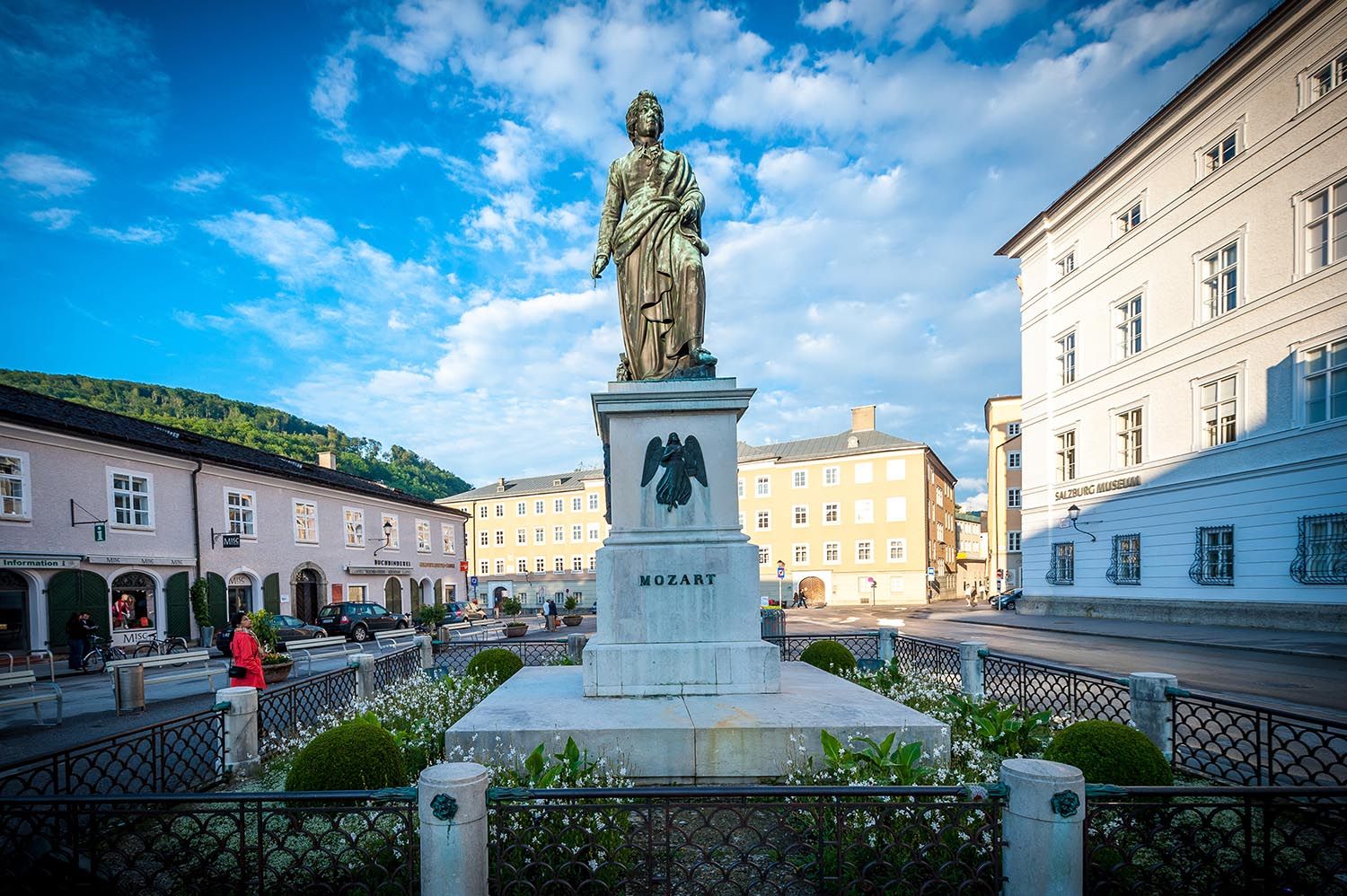
No matter when you visit Salzburg, birthplace of Mozart and the setting for The Sound of Music, the city has an infectiously musical spring in its step. What's more, the Salzburg Card offers not only free admission to all of the city's museums and attractions, but free public transport too. 

Exploring Mönchsberg and panoramic city views

Come spring, for example, its harmonious mix of architectural and natural majesty dances with life beginning to bloom in the gardens of Mirabell Palace, and on Mönchsberg, a forested hill that thickens with beech, linden and oak trees through the shift to summer. That said, it could be argued that Mönchsberg is all the more magical in autumn, when golden hues soften the first bite of cold.

Taking the Festungsbahn to Hohensalzburg Fortress

Central Europe’s largest fully-preserved castle complex is a year-round Salzburg treasure. Easily accessed via the Festungsbahn cable car, Hohensalzburg Fortress delivers a 360-degree view of the city against a backdrop of the Austrian Alps – glowing emerald in summer. As such, it’s the perfect place to experience time-stopping moments of scenery-sparked bliss whenever you visit.

Mozartplatz statue in Salzburg © Tourismus Salzburg GmbH.

Mozartplatz statue, Salzburg © Tourismus Salzburg GmbH

Festivals and seasonal highlights in Salzburg

If enjoying local events is top of your travel priorities, the Salzburg Festival (mid-July to late-August) transforms the city into the “Stage of the World”.

Later in the year, on 24th September, Salzburg rings with the folkloric fun of St Rupert’s Day. Expect brass bands, beer tents and vintage fair rides, with celebrations centred around Salzburg Cathedral. 

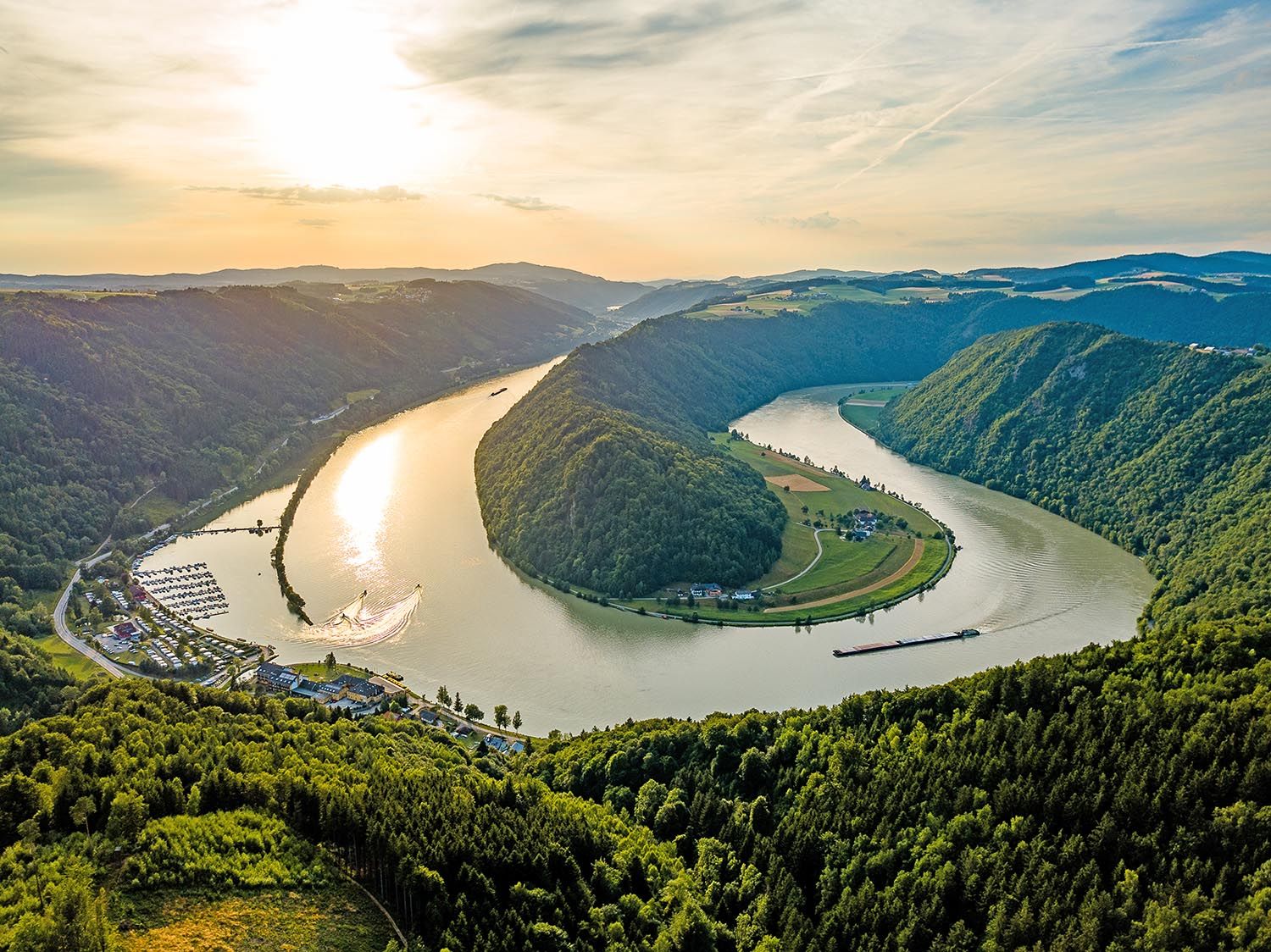
Drone image of the Schloegener Donauschlinge © WGD Donau Oberoesterreich Tourismus GmbH/Kaindlstorfer

View over the Schlögener Schlinge © WGD Donau Oberoesterreich Tourismus GmbH/Kaindlstorfer

Upper Austria: Danube landscapes and creative city life

Dissected east to west by the Danube, Upper Austria’s allures are largely (but not exclusively – more on that below) of the natural kind. Sitting in the heart of Europe between Germany and Czechia, the region’s own heart pulsates with the natural rhythms of the river, and soul-stirring landscapes of valleys, hills, meadows and forests.

The Schlögener Schlinge and Danube viewpoints

A highlight around these parts is the Schlögener Schlinge. Located between Passau and Linz, this looping bend in the Danube (the river almost totally turns back on itself) has a habit of stopping visitors in their tracks. 

Cycling and hiking along the Danube

If you’re into activity-based holidays, explore the area by bike (the Danube Cycle Path begins in Passau and follows the river through the Upper Austrian Danube Valley), or trek the Donausteig trail. An especially spectacular segment of this extensive hiking network includes the Schlögener Blick viewpoint. 

Travelling as a family? This area is well worth considering for Austria summer holidays with kids, thanks to a bounty of outdoor activities for all ages and abilities.

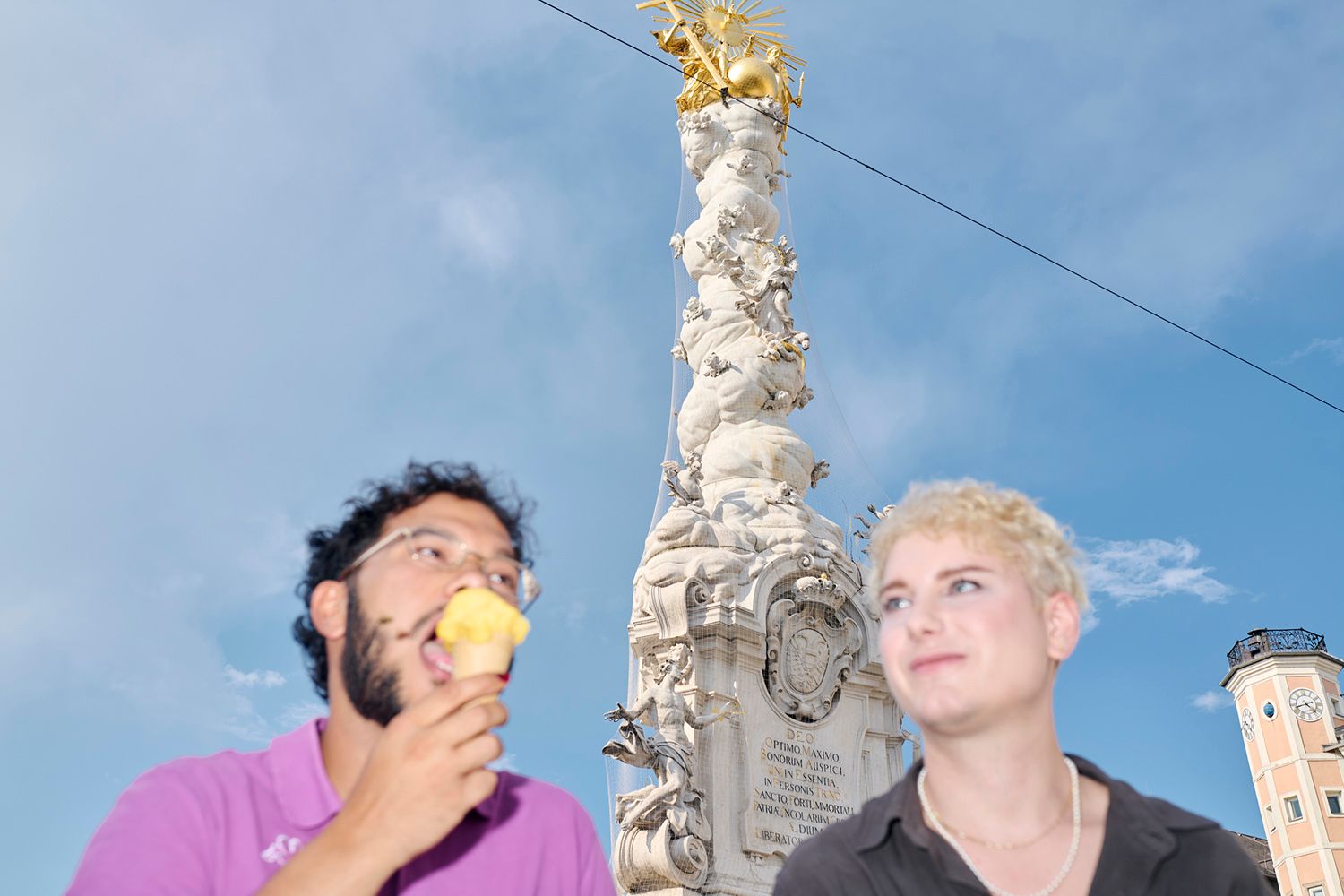
Hauptplatz in Linz© LinzTourismus/Martin Stoebich

 Hauptplatz in Linz© LinzTourismus/Martin Stoebich

Linz: digital art, festivals and family attractions

Beyond the cadences of nature, Upper Austria also pulses with the creative beat of its capital, Linz. A compact city of Baroque squares and riverside walkways, Linz blends old-world charm with family-friendly attractions and cutting-edge digital art culture, as showcased during an annual festival hosted by the Ars Electronica Center in September.

In fact, Linz is loaded with autumn events, including the International Brucknerfest, the open-air Linzer Klangwolke music festival, and the Urfahraner Herbstmarkt, a traditional autumn folk festival.

Salzkammergut: Austria’s lake district for active and scenic trips

Spanning Salzburg and Upper Austria, Salzkammergut is Austria’s lake district. An awe-inspiring area of turquoise waters, Alpine peaks, charming villages and elegant spa towns, it’s the perfect place for Austria summer holidays that blend outdoor activities with wellness experiences.

Lake Wolfgangsee and historic ferry routes

One of Salzkammergut’s main allures is Lake Wolfgangsee. Come the warmer months, its bright-blue expanse, coloured by limestone crystals, is a refreshing place to take a dip. Alternatively, board one of the WolfgangseeSchifffahrt ferries that have been connecting the pretty towns of Strobl, St Wolfgang and St Gilgen since 1873. Offering hop-on, hop-off services, the ferries make it a breeze to see more of the region, including Strobl’s striking Art Nouveau villas.

Riding the SchafbergBahn for alpine lake views

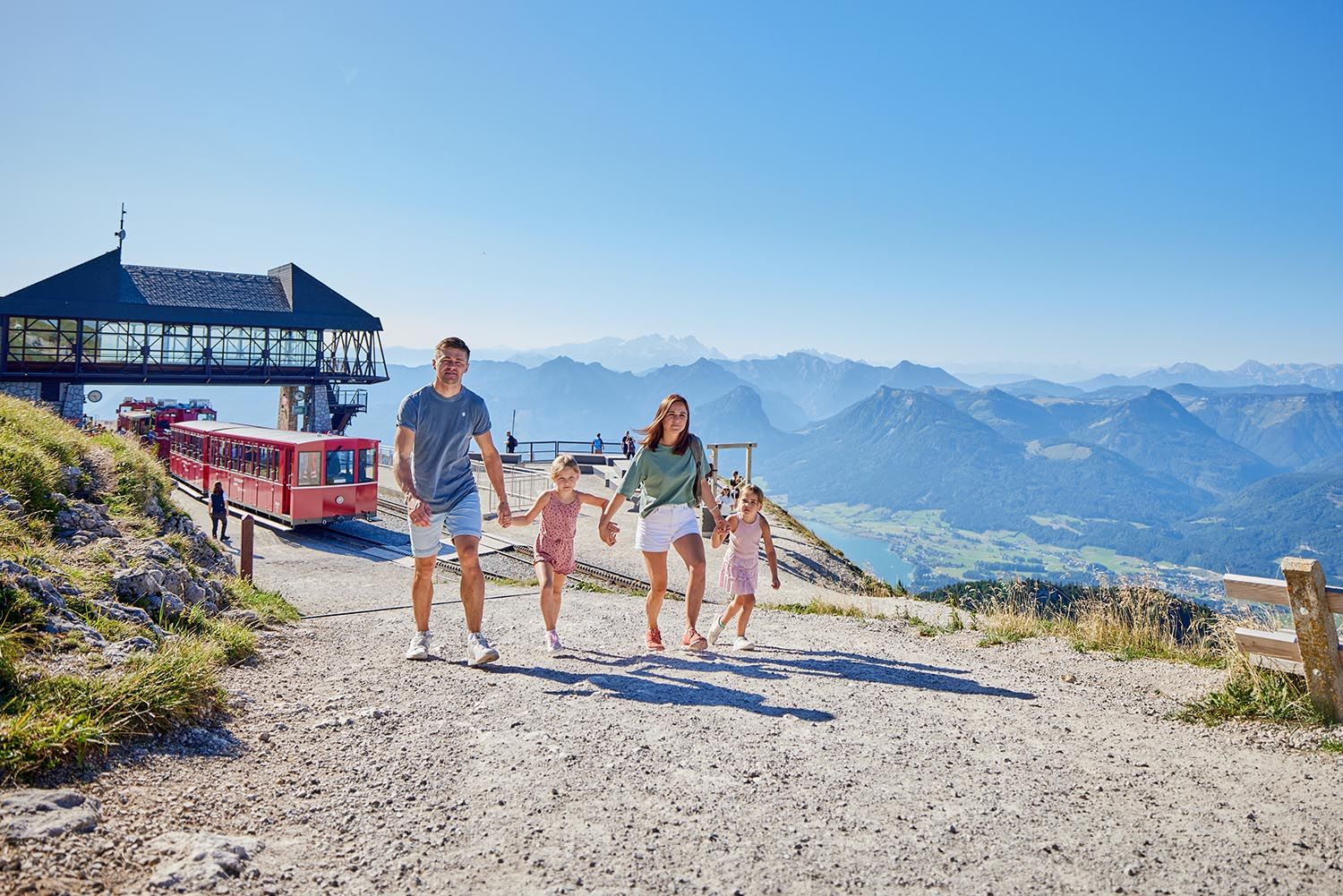
Another Salzkammergut highlight is riding the scenic SchafbergBahn, Austria’s steepest cogwheel railway. Covering almost 6km and climbing 1190 metres, the trip lasts 35 minutes and serves sublime views of eleven lakes from the summit.
SchafbergBahn in St Wolfgang © Salzburg AG Tourismus GmbH

The SchafbergBahn cogwheel railway from St Wolfgang © Salzburg AG Tourismus GmbH

Hallstatt Dachstein UNESCO landscapes and the 5fingers platform

Famed for its 7000+ years of mining heritage, the UNESCO World Heritage region of Hallstatt Dachstein Salzkammergut is also known for its ice caves, and trails that traverse dramatic karst landscapes. The best way to appreciate Salzkammergut’s truly extraordinary landscapes is to visit the 5fingers viewing platform. Reaching out, hand-like, over a 400-metre drop, five innovatively-designed levels (one made from glass) serve jaw-dropping views over the region.

Beyond Salzkammergut’s warm-weather trail-and-lake-based activities, autumn is also ideal for crisper walks on the wilder side, with traditional Almabtrieb (cattle drive) events adding an unmistakably Alpine flavour to September visits.

Walkers and wildlife lovers might want to include the Traunsee-Almtal region on their wish-list. Located on the northern edge of the Northern Limestone Alps, Traunsee itself is Austria’s fourth-largest lake, while idyllic Almsee is celebrated for its song birds, water birds, beautiful walks and year-round refreshing energy.

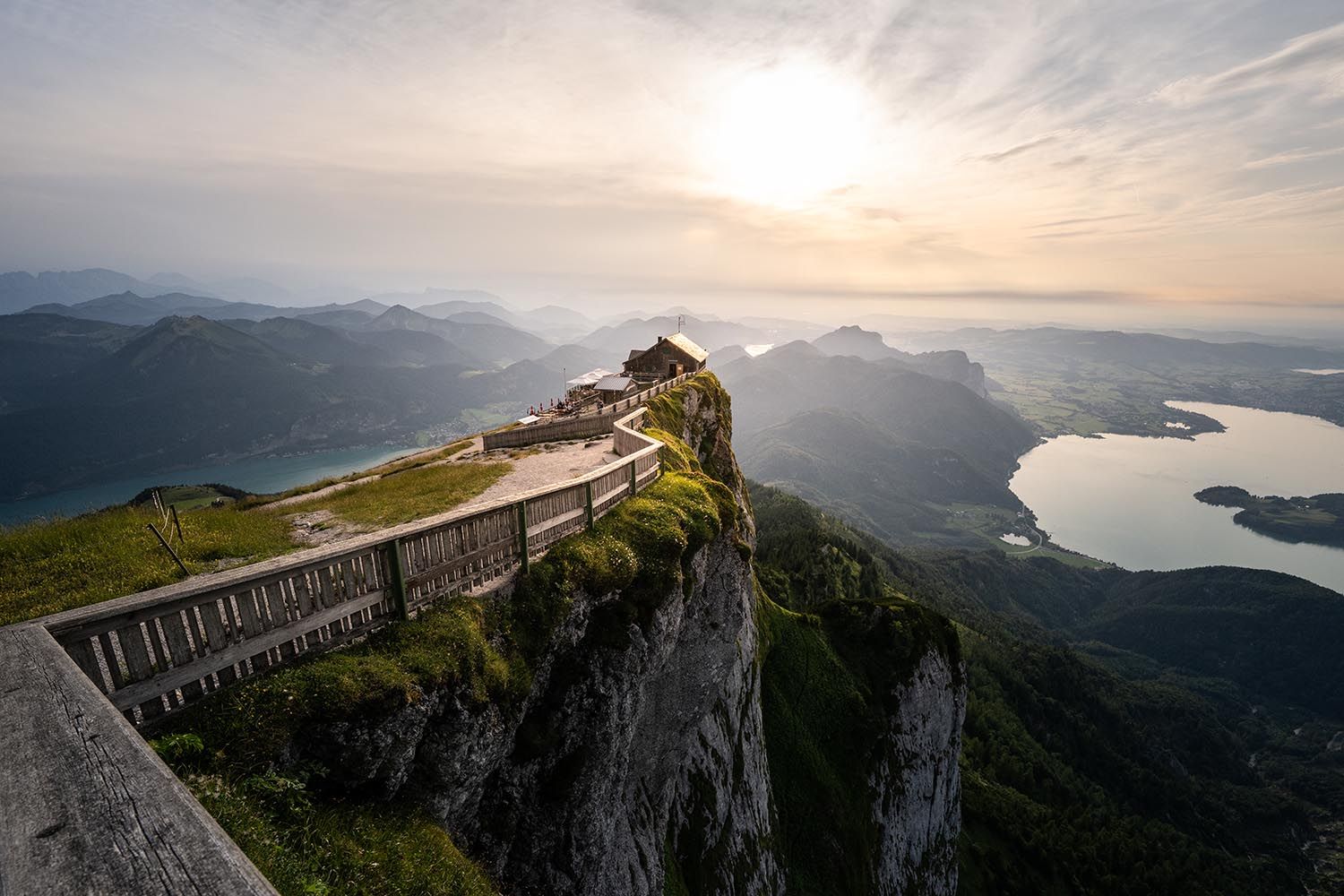
Himmelspforte shelter on the Schafberg at lake Wolfgangsee © Salzburg AG Tourismus

The Himmelspforte viewpoint on the Schafberg, overlooking Lake Wolfgangsee © Salzburg AG Tourismus

Best seasons to experience Austria’s cities, lakes and mountains

Whether you’re still set on the idea of Austria summer holidays, or feel tempted to visit at other times of the year, be assured that lasting transformational travel experiences (AKA Austrian Lebensgefühl) can be enjoyed in Austria in every season.

If you’re still trying to decide when’s the best time to Austria, that essentially depends on what you most want to do. In general, spring and early summer are well-suited to city breaks if you prefer to avoid peak-season crowds. Meanwhile, we rate summer as the ideal time to hit Austria’s lakes and mountains for invigorating hikes or gentle rambles. 

Then there’s autumn, perhaps the perfect all-round month for travellers who want to enjoy Austria’s “best bits” in a single season. And the reasons? Firstly, early autumn arguably sees Austria’s forests, lakes and mountains at their most magical. Think long strolls through golden-toned leaves. Secondly, autumn is also packed with festivals that variously focus on music, folklore, Alpine culture and harvest.

How to plan an Austria trip 

In addition to deciding when’s the best time to visit, another key part of planning your trip to Austria is not over-packing your trip. Here are some suggestions for making the most of the time available: 

  • Long weekend: as a general guideline, consider focussing on Salzburg or Linz, for example. 
  • One week: if you have a whole week at your disposal, research easy day trips that can easily accessed from your city base. The beautiful lakes of the Salzkammergut are within easy reach of Salzburg or Linz, or plan scenic day trips along the Danube from the latter. 
  • Ten days or longer: plan a trip that covers a region, such as Upper Austria or the Salzkammergut lake district in more depth. For example, travel by train from Salzburg to Linz, then explore the Danube region, including the spectacular Schlögener Schlinge. Head south and enjoy a few days around Lake Wolfgangsee, before visiting the UNESCO World Heritage region of Hallstatt Dachstein Salzkammergut. Just be sure to properly research how you’re going to get around before you hit the ground or else engage the services of a local travel expert who can curate a bespoke Austria itinerary. 

On the subject of getting around, if you’re taking a longer trip and want to cover more ground, ÖBB (Austrian Federal Railways) runs fast, punctual services that connect Vienna, Salzburg, Linz, Innsbruck, Graz and smaller towns. A reliable network of regional trains covers lakes and alpine valleys, and cities are well-served by trams and U-Bahn lines. The Guest Mobility Ticket gives you free, unlimited access to SalzburgerLand's bus and rail network. 

Getting to Austria: direct flights from the UK

In pleasing practical news, Austria is well-served by direct flights from the UK, including daily flights to Vienna, Salzburg, Linz and Innsbruck via several operators, such as British Airways, easyJet, Austrian Airlines and Ryanair.

And, with an average flight time of two hours, you won’t have to wait long to start living your best Lebensgefühl life.

Joanne Owen

written by
Joanne Owen

updated 02.04.2026

Joanne is a Pembrokeshire-born writer with a passion for the nature, cultures and histories of the Caribbean region, especially Dominica. Also passionate about inspiring a love of adventure in young people, she’s the author of several books for children and young adults, hosts international writing workshops, and has written articles on the Caribbean and inspirational community initiatives for Rough Guides. Follow her @JoanneOwen on Twitter and @joanneowenwrites on Instagram.

Planning your own trip? Prepare for your trip

Use Rough Guides' trusted partners for great rates