Northern Lights
How to keep the crowds without it feeling overcrowded is Iceland’s 64,000 Kronor question. “In recent years, we’ve been focusing on encouraging tourists to travel during the off-season,” says Sigríður Dögg Guðmundsdóttir, Head of Marketing at Promote Iceland, “and we’ve seen a massive shift in perceptions towards Iceland as a winter destination.”
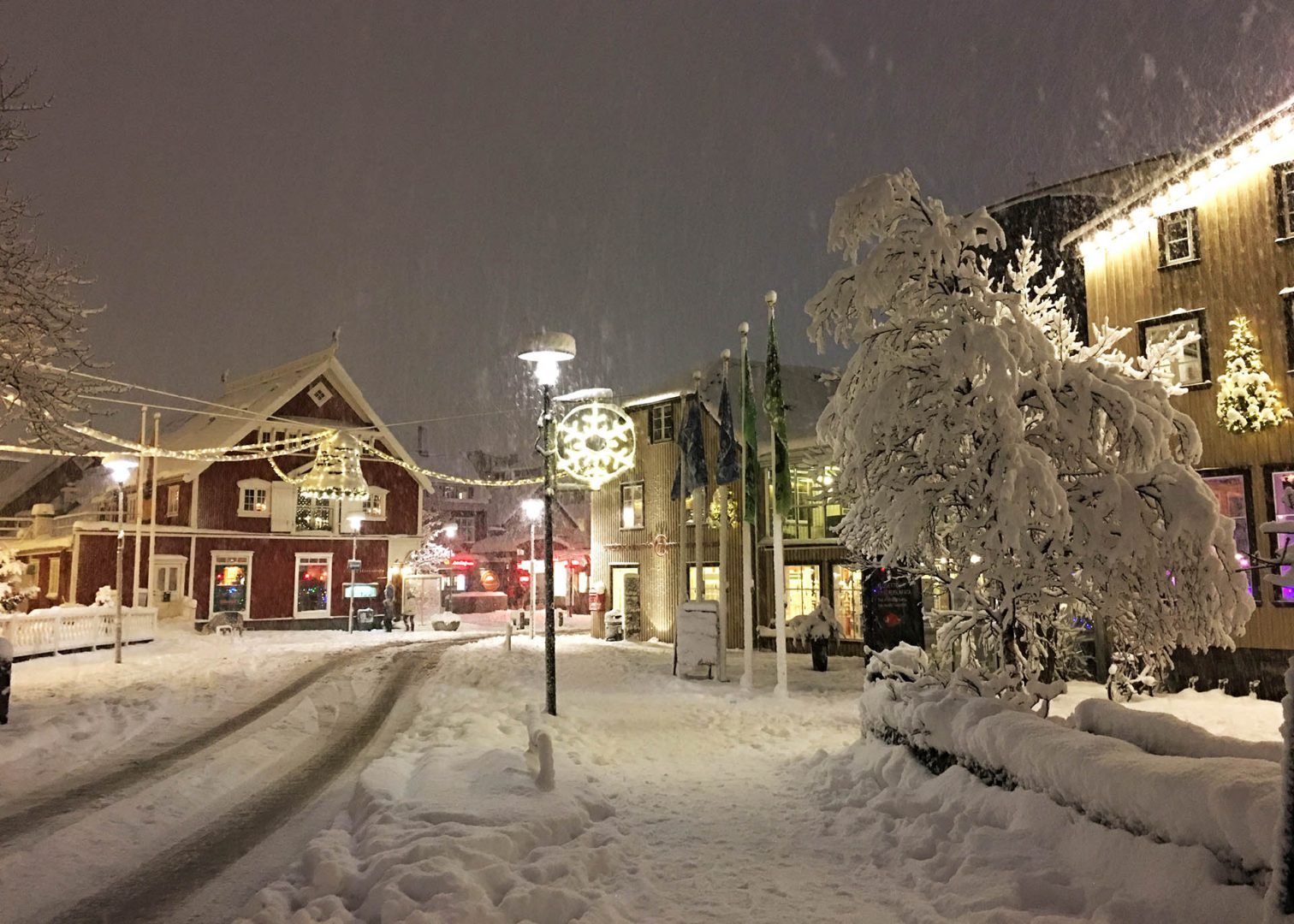
I can certainly vouch for this, having previously shivered at the prospect of going to Iceland any time outside of summer but ending up visiting at the end of October. My reward was quieter sights, cheaper accommodation and, on a memorable boat trip out into Faxafói Bay with Elding, the spellbinding sight of the Northern Lights shimmering across the night sky.
Spreading visitors throughout the year is one way of sustaining numbers; spreading them throughout the country is another. “For tourists, Iceland is still mostly undiscovered,” says Guðmundsdóttir, whose other priority is getting people to venture beyond Reykjavik and the popular south west.
Visit Reykjavik, visit the Blue Lagoon and the other big sights – they’re popular for a reason – but make sure you also see the far corners of this beautiful island
West Iceland, just a couple of hours from the capital but still relatively off the beaten track, is a case in point. It’s here that you’ll find the lava cave at Víðgelmir. Also here is Langjökull, the setting for a quite incredible tour that takes you 500m inside a glacier, through ice tunnels and into the middle of a crevasse.
On my last morning in Iceland, relaxing in the milky blue pools of the famous Blue Lagoon, it was clear that for Iceland to continue to prosper then tourists need to embrace both sides of the coin as well.
Visit Reykjavik, visit the Blue Lagoon and the other big sights – they’re popular for a reason – but make sure you also see the far corners of this beautiful island.
Come in the summer but also come in the winter.