The Camino de Santiago: Burgos to León

Select Month

start planning

The central section of the great pilgrim route, the Camino de Santiago, cuts across the northern plains of Castilla y León, with the stretch from Burgos to León seen as one of the most rewarding – not for the walking, which can be flat and dull, but in terms of the art and architecture encountered along the way. From Burgos the camino runs south of the main road, via Castrojeriz and, more importantly, Frómista, before running up to Carrión de los Condes and Sahagún, the latter two towns both on the A231 Burgos–León road. With a car, rather than a rucksack and boots, there are also a couple of possible short detours off the main road to see the Roman remains on either side of Carrión de los Condes.

Trip ideas for Spain

Crafted with by local experts

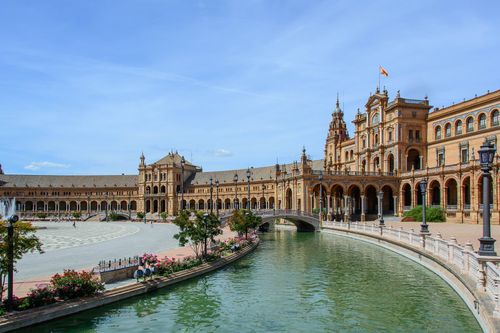
Seville Plaza de Espana
Crafted by Mónica

9 days

view trip ⤍
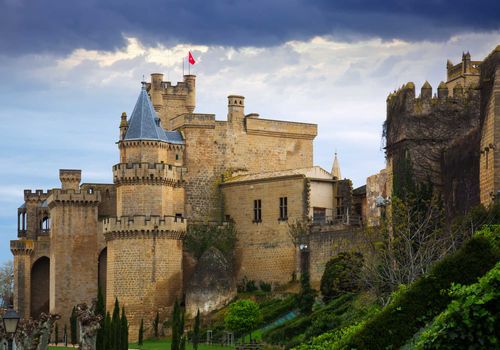
Castle of Olite. Navarre, Spain
Crafted by Luis

8 days

view trip ⤍
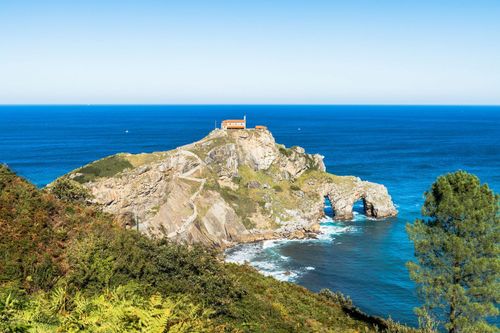
Basque Country
Crafted by Luis

18 days

view trip ⤍
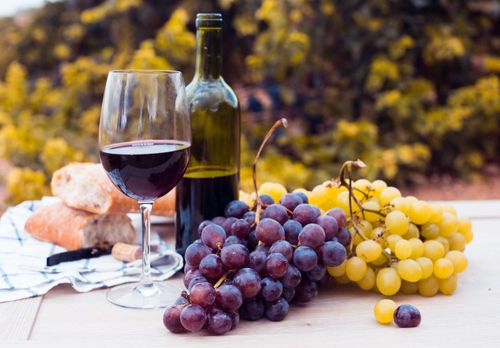
The Wine of La Rioja
Crafted by Luis

4 days

view trip ⤍
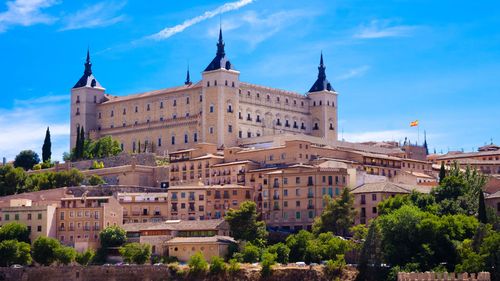
Alcazar of Toledo - Near Madrid
Crafted by Luis

10 days

view trip ⤍
Plaza de Espana Seville
Crafted by Luis

16 days

view trip ⤍
Covadonga Lakes in Asturias, Spain ©  Jarno Gonzalez Zarraonandia/Shutterstock
Crafted by Luis

29 days

view trip ⤍
Granada. The fortress and palace complex Alhambra.
Crafted by Luis

12 days

view trip ⤍
Valencia
Crafted by Luis

4 days

view trip ⤍
Málaga
Crafted by Luis

4 days

view trip ⤍
Barcelona
Crafted by Luis

7 days

view trip ⤍
Barcelona
Crafted by Luis

13 days

view trip ⤍
Seville
Crafted by Luis

4 days

view trip ⤍
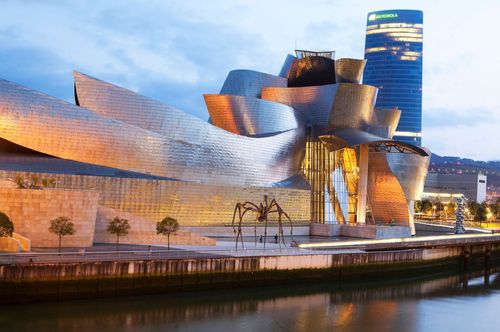
Guggenheim Museum in Bilbao. Photo: Corrie Wingate/APA
Crafted by Luis

9 days

view trip ⤍
La Rioja
Crafted by Luis

5 days

view trip ⤍
See all Spain trip ideas

Frómista

Frómista still trades on the camino, but today’s small crossroads of a town has only a fraction of the population of medieval times. Its undisputed highlight is the church of San Martín, which was originally part of an abbey that no longer exists. Carved representations of monsters, human figures and animals run right around the roof of the eleventh-century church, which was built in a Romanesque style unusually pure for Spain, with no traces of later additions. A couple of other churches in Frómista are also associated with the camino, and there’s usually a steady trail of walkers and cyclists passing through, taking advantage of the simple accommodation here.

The Camino de Santiago in Castilla y León

With the vineyards and well-watered countryside of La Rioja behind you, the Camino de Santiago arrives at Burgos and the start of the plains of Castile. Pilgrims are sharply divided about the meseta. Fans praise the big skies and the contemplative nature of the unchanging views, while detractors bemoan the bone-chilling wind that blows for nine months of the year and the depressing way you can see your destination hours before you reach it. It’s certainly the flattest, driest part of the path and, if it’s cold in winter, the lack of shade makes it uncomfortably hot in summer. The route often shadows the main road along a purpose-built gravel track, but there are many well-marked detours along isolated tracks crunchy with wild thyme.

Highlights are, of course, the glorious Gothic cathedrals of Burgos and León, after which the meseta ends at the town of Astorga, 50km west of León. From here you’ll climb to the highest pass of the camino, at 1517m, where mist and fog can descend year-round and snow makes winter travel difficult. Traditionally, pilgrims bring a stone from home to leave on a massive pile at Cruz de Hierro, just before the pass. Things warm up considerably as you descend through gorgeous scenery to the Bierzo valley, 50km from Astorga, where the charming riverside town of Villafranca del Bierzo is an ideal place to rest before heading uphill into Galicia. For 13-day Spain trips that follow the Camino’s Castilian stretch, the route can give the meseta its due rather than skipping straight from Burgos to León, with time for cathedral cities, bleak open plains, Astorga, Cruz de Hierro, and the softer descent into Bierzo.
Rough Guides combines destination expertise with tailor-made travel planned by vetted Spain local experts. You can use our city and regional guides as a starting point, then receive up to 3 personalized trip plans created from scratch around your preferred pace, experiences, and route through the country. The final itinerary is refined directly with the local travel agent instead of being selected from a fixed package.

For over 40 years, Rough Guides has been a trusted name in travel, offering expert-curated guides, inspiring articles, and tailor-made trips. Our passionate team of writers and local travel specialists provide in-depth insights into destinations worldwide, from iconic landmarks to hidden gems. We help you travel smarter and experience the world authentically.