Explore Malaysia
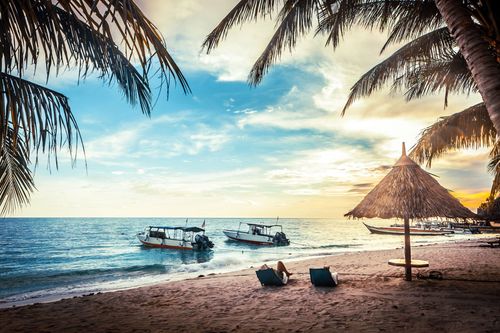
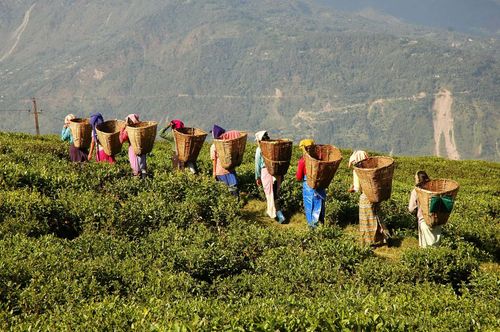
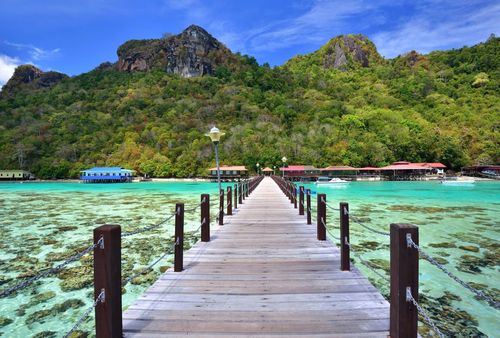
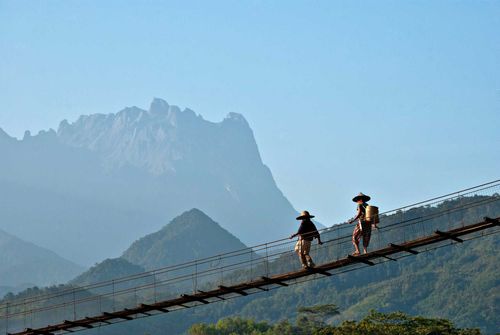
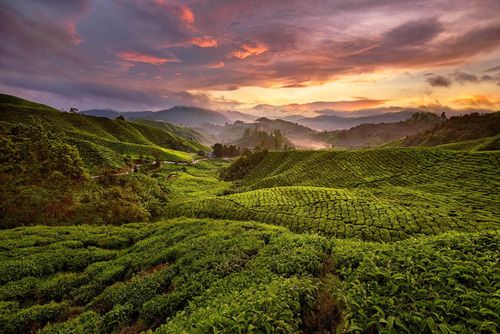
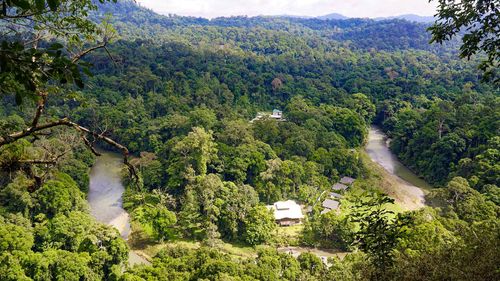
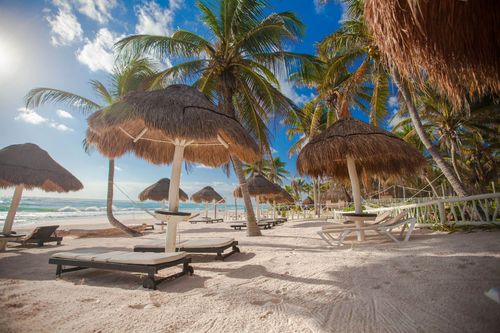
Populated by a blend of Malays, Chinese, Indians and indigenous groups, Malaysia boasts a rich cultural heritage, from a huge variety of annual festivals and wonderful cuisines, to traditional architecture and rural crafts. There’s astonishing natural beauty to take in too, including gorgeous beaches and some of the world’s oldest tropical rainforest, much of which is surprisingly accessible. Malaysia’s national parks are superb for trekking and wildlife-watching, and sometimes for cave exploration and river rafting.
As part of the Malay archipelago, which stretches from Indonesia to the Philippines, Malaysia became an important port of call on the trade route between India and China, the two great markets of the early world, and later became important entrepôts for the Portuguese, Dutch and British empires. Malaysia has only existed in its present form since 1963, when the federation of the eleven Peninsula states was joined by Singapore and the two Bornean territories of Sarawak and Sabah. Singapore left the union to become an independent country in 1965.
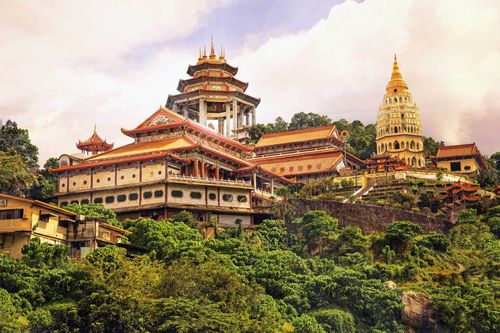
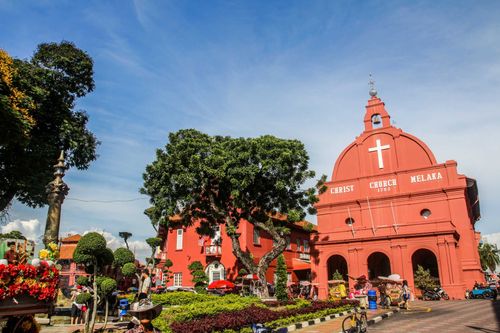
Today, the dominant cultural force in the country is undoubtedly Islam, adopted by the Malays in the fourteenth century. But it’s the religious plurality – there are also sizeable Christian and Hindu minorities – that is so attractive, often providing surprising juxtapositions of mosques, temples and churches. Add the colour and verve of Chinese temples and street fairs, Indian festival days and everyday life in Malay kampungs (villages), and the indigenous traditions of Borneo, and it’s easy to see why visitors are drawn into this celebration of ethnic diversity; indeed, despite some issues, Malaysia has something to teach the rest of the world when it comes to building successful multicultural societies.
Read More-
Shophouses
Shophouses
A standard feature of local townscapes is rows of shophouses – two- or three-storey buildings traditionally containing a shop at street level, with residential quarters behind and above. For visitors, their most striking feature is that at ground level the front wall is usually set back from the street. This creates a so-called “five-foot way” overhung by the upper part of the house, which shelters pedestrians from the sun and pelting rain.
Shophouses were fusion architecture: facades have Western features such as shuttered windows and gables, while inside there might be an area open to the sky, in the manner of Chinese courtyard houses. Some, especially from the early part of the last century, are bedecked with columns, floral plaster motifs and beautiful tilework, while later properties feature simpler Art Deco touches. Sadly, shophouses ceased to be built after the 1960s and many have been demolished to make way for modern complexes, though some have won a new lease of life as swanky restaurants and boutiques.
-
Wildlife
Wildlife
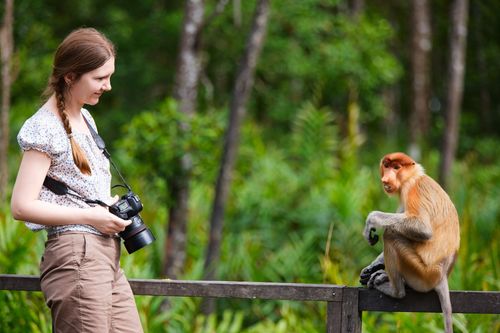
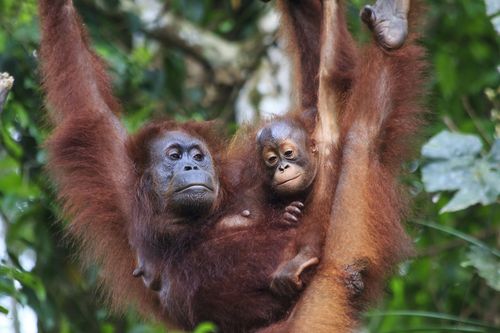
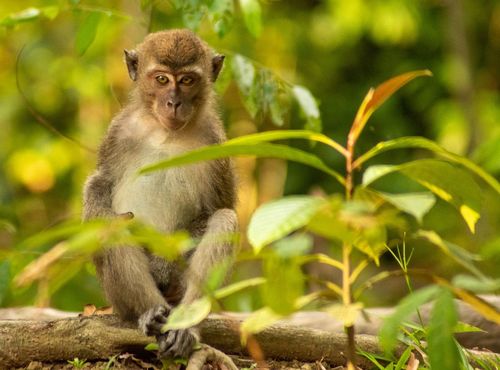
Peninsular Malaysia and Borneo are a paradise for wildlife-spotters, harbouring over 600 types of birds and 200 mammal species – including Asian elephants, sun bears, tigers, tapirs, barking deer, gibbons, hornbills and pythons. Borneo’s speciality is the proboscis monkey, so-called because of its bulbous, drooping nose. The island is also one of only two natural habitats (with Sumatra) for orang-utans – indeed, the name is Malay for “man of the forest”. Marine life is equally diverse: divers can swim with white-tip sharks, clown fish and barracuda, not to mention green and hawksbill turtles, which drag themselves ashore in season to lay their eggs by night.