Explore Sri Lanka
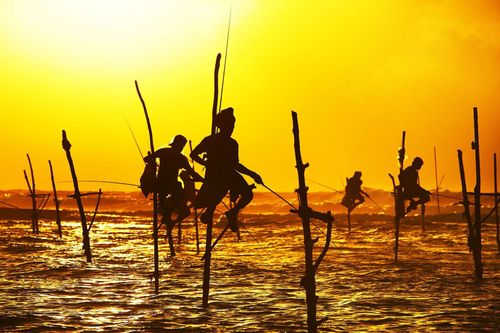
Sri Lanka has seduced travellers for centuries. Marco Polo described it as the finest island of its size in the world, while successive waves of Indian, Arab and European traders and adventurers flocked to its palm-fringed shores, attracted by reports of rare spices, precious stones and magnificent elephants. Poised just above the Equator amid the balmy waters of the Indian Ocean, the island’s legendary reputation for natural beauty and plenty has inspired an almost magical regard even in those who have never visited the place. Romantically inclined geographers, poring over maps of the island, compared its outline to a teardrop falling from the tip of India or to the shape of a pearl (the less impressionable Dutch likened it to a leg of ham), while even the name given to the island by early Arab traders – Serendib – gave rise to the English word “serendipity”.
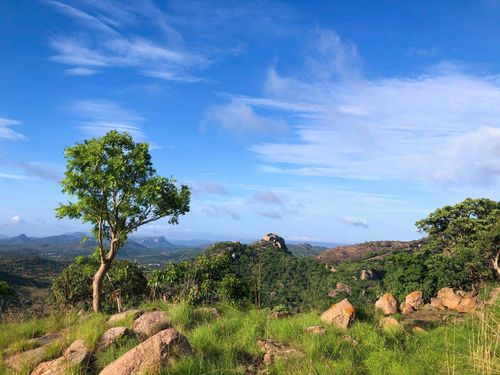
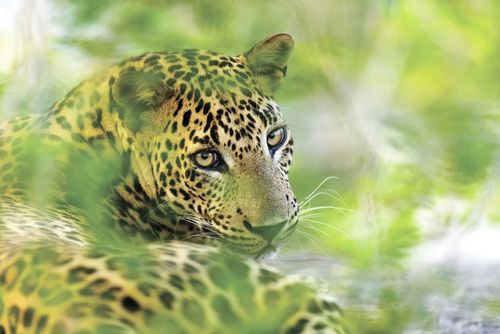
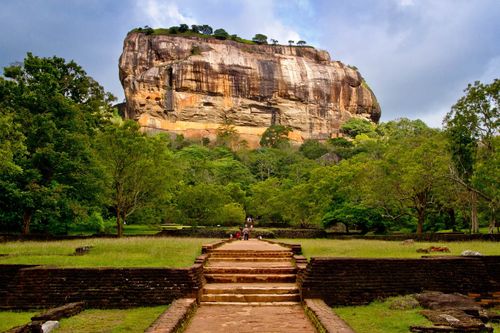
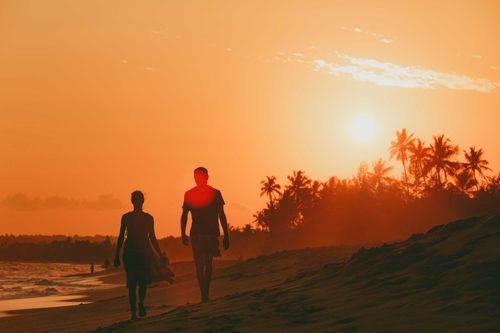
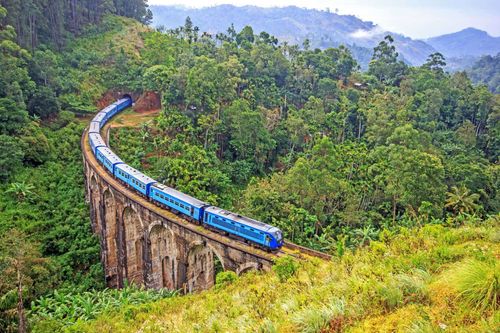
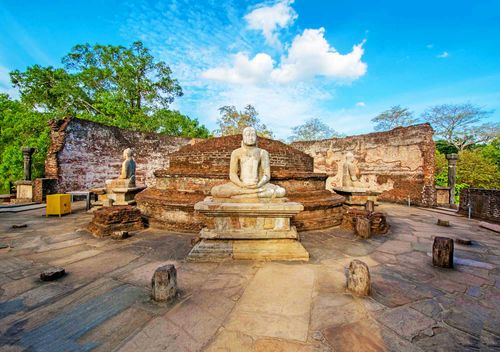
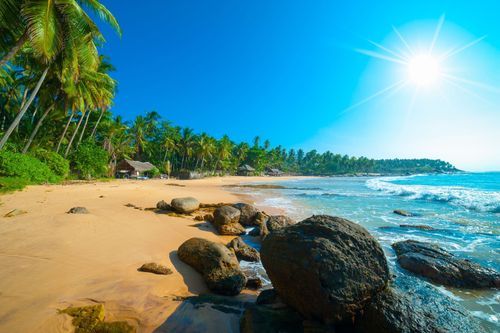
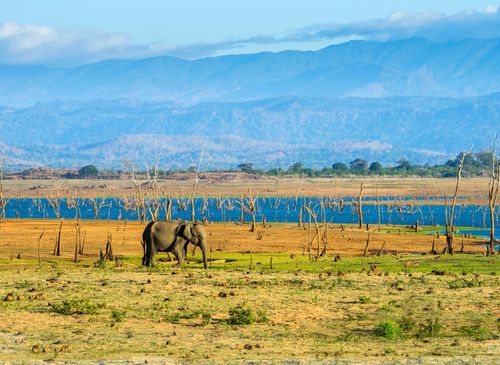
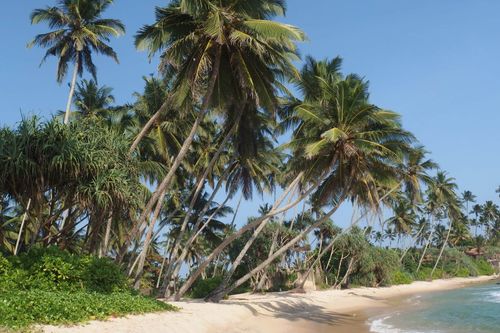
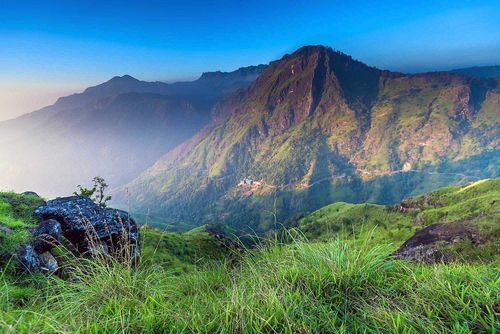
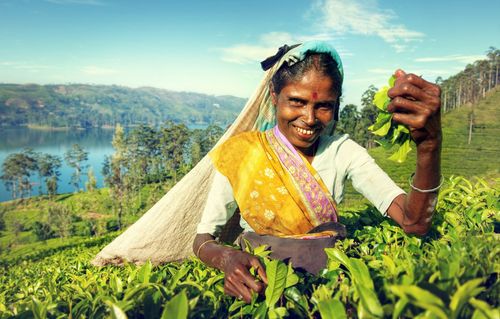
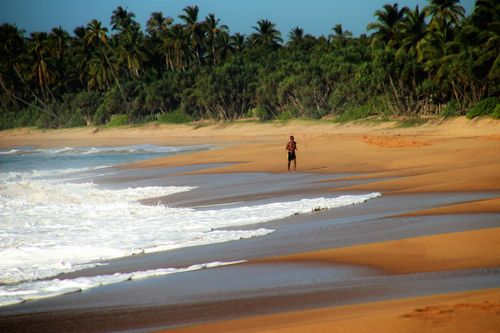
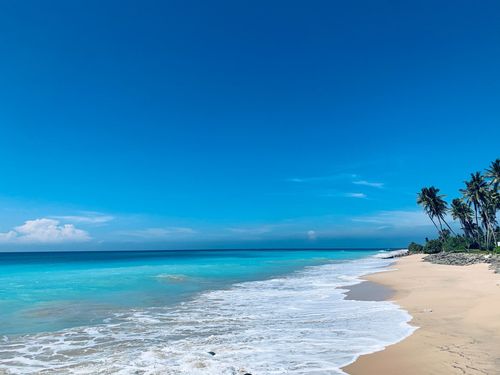
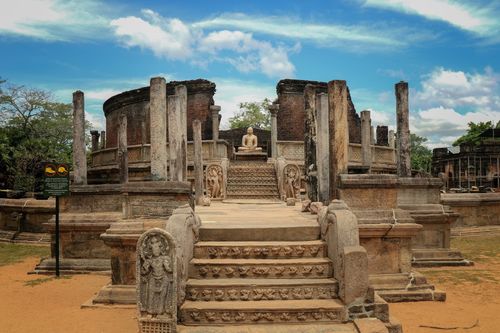
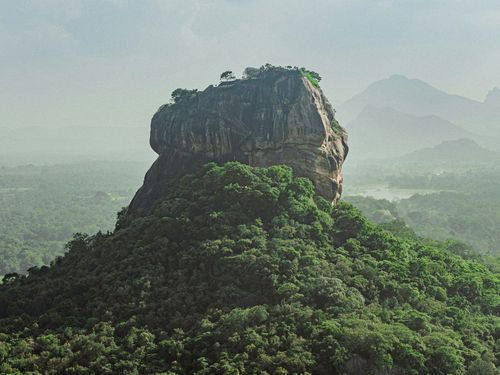
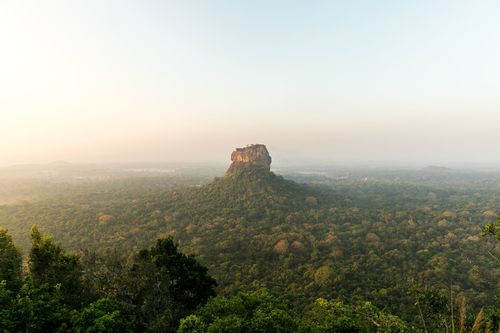
Marco Polo’s bold claim still holds true. Sri Lanka packs an extraordinary variety of places to visit within its modest physical dimensions, and few islands of comparable size can boast a natural environment of such beauty and diversity. Lapped by the Indian Ocean, the coast is fringed with idyllic – and often refreshingly undeveloped – beaches, while the interior boasts a compelling variety of landscapes ranging from wildlife-rich lowland jungles, home to extensive populations of elephants, leopards and rare endemic bird species, to the misty heights of the hill country, swathed in immaculately manicured tea plantations. Nor does the island lack in man-made attractions. Sri Lanka boasts more than two thousand years of recorded history, and the remarkable achievements of the early Sinhalese civilization can still be seen in the sequence of ruined cities and great religious monuments that litter the northern plains.
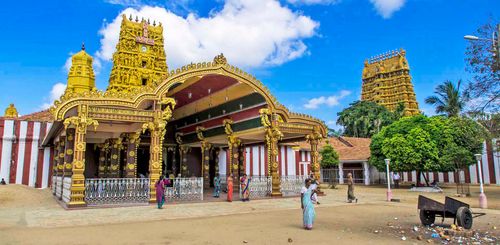
The glories of this early Buddhist civilization continue to provide a benchmark of national identity for the island’s Sinhalese population, while Sri Lanka’s historic role as the world’s oldest stronghold of Theravada Buddhism lends it a unique cultural identity that permeates life at every level. There’s more to Sri Lanka than just Buddhists, however. The island’s geographical position at one of the most important staging posts of Indian Ocean trade laid it open to a uniquely wide range of influences, as generations of Arab, Malay, Portuguese, Dutch and British settlers subtly transformed its culture, architecture and cuisine, while the long-established Tamil population in the north have established a vibrant Hindu culture that owes more to India than to the Sinhalese south.
It is, however, this very diversity that has long threatened to tear the country apart. For much of the past three decades the island was the site of one of Asia’s most pernicious civil wars, as the Sri Lankan Army and the LTTE, or Tamil Tigers, battled it out in the island’s north and east, until the final victory of government forces in early 2009. The island is now experiencing peace for the first time in a generation, and although the physical, political and human scars of war remain raw in many places, most Sri Lankans are now once again looking to the future with guarded optimism.
Read More-
Elephants
Elephants
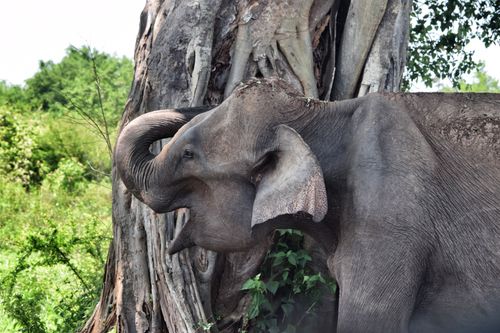
No animal is as closely identified with Sri Lanka as the elephant – and few other countries offer such a wide range of opportunities to see them both in captivity and in the wild. The kings of Anuradhapura used them to pound down the foundations of their city’s huge religious monuments, while the rulers of Kandy employed them to execute prisoners by trampling them to death. During the Dutch era they helped tow barges and move heavy artillery, and under the British they were set to clearing land for tea plantations – even today, trained elephants are used to move heavy objects in places inaccessible to machinery. Elephants also play an integral role in many of the island’s religious festivals, and remain revered creatures – killing an elephant was formerly a capital offence, while the death of the great Maligawa Tusker Raja in 1998 prompted the government to declare a national day of mourning.
-
Sri Lankan Buddhism
Sri Lankan Buddhism
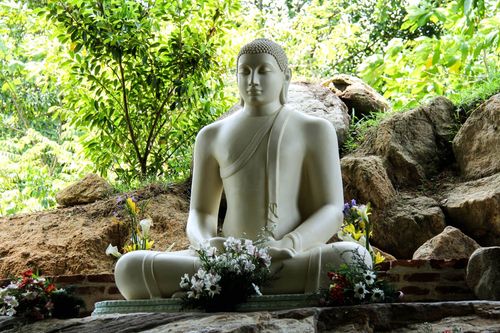
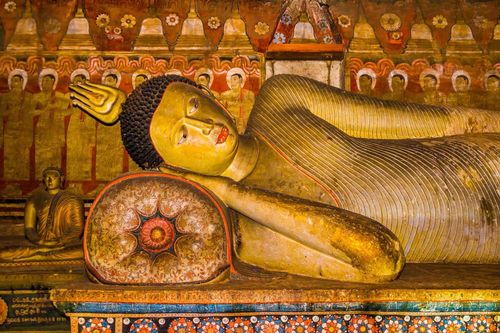
Buddhism runs deep in Sri Lanka. The island was one of the first places to convert to the religion, in 247 BC, and has remained unswervingly faithful in the two thousand years since. As such, Sri Lanka is often claimed to be the world’s oldest Buddhist country, and Buddhism continues to permeate the practical life and spiritual beliefs of the majority of the island’s Sinhalese population. Buddhist temples can be found everywhere, often decorated with superb shrines, statues and murals, while the sight of Sri Lanka’s orange-robed monks is one of the island’s enduring visual images. Buddhist places of pilgrimage – the Temple of the Tooth at Kandy, the revered “footprint” of the Buddha at Adam’s Peak, and the Sri Maha Bodhi at Anuradhapura – also play a vital role in sustaining the faith, while the national calendar is punctuated with religious holidays and festivals ranging from the monthly full-moon poya days through to more elaborate annual celebrations, often taking the form of enormous processions (peraheras), during which locals parade through the streets, often accompanied by elaborately costumed elephants. For more on Buddhism, turn to our Contexts chapter.