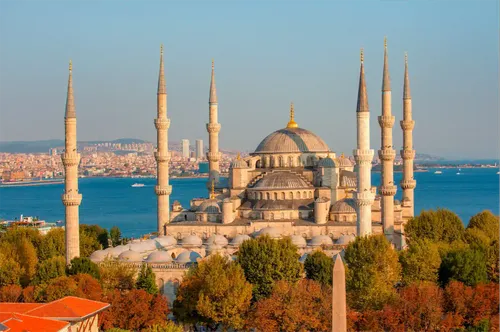
Blue Mosque by night, Istanbul, Turkey

Turkey

Bask in the sun, explore ancient ruins or lose yourself in the bazaars of Instanbul

With its unique mix of the exotic and the familiar, visiting Turkey can be a mesmerizing experience. More than the “bridge between East and West” of tourist-brochure cliché, the country combines influences from the Middle East and the Mediterranean, the Balkans and central Asia. Invaded and settled from every direction since the start of recorded history, its contradictions and fascinations persist. Mosques coexist with churches, Roman theatres and temples crumble not far from ancient Hittite cities and dervish ceremonies or gypsy festivals are as much a part of the social landscape as classical music concerts or avidly attended football matches.

Another facet of Turkey that makes it such a rewarding place to travel is the Turkish people, whose reputation for friendliness and hospitality is richly deserved; indeed you risk causing offence by declining invitations and find yourself making friends through the simplest of transactions. Of course at the big resorts and tourist spots this can simply be the pretext to selling you something, but in most of the country the warmth and generosity is genuine – all the more amazing when much recent Turkish history saw outsiders mainly bringing trouble in their wake.

Politically modern Turkey was a grand experiment, largely the creation of one man – Kemal Atatürk. Endowed with fervent patriotism and superhuman energy he salvaged the Turkish state from the wreckage of the Ottoman Empire and defined it as a modern, secular nation – his statue gazes down from public squares across the land. While the country’s secular status remains intact for now, most of the inhabitants are at least nominally Muslim and Turkey’s heritage as home to the caliphate and numerous dervish orders, plus contemporary Islamist movements, still often deflects its moral compass south and east rather than northwest.

In spite of official efforts to enforce a uniform Turkish identity, the population is remarkably heterogeneous. When the Ottoman Empire imploded, large numbers of Muslim Slavs, Kurds, Greeks, Albanians, Crimean Tatars, Azeris, Daghestanlis, Abkhazians and Circassians – to name only the most numerous non-Turkic groups – streamed into Anatolia, the safest refuge in an age of anti-Ottoman nationalism. This process has continued in recent years from formerly Soviet or Eastern Bloc territories, so that the diversity endures, constituting one of the surprises of travel in Turkey. Another obvious aspect is the youthfulness of the country: more than half the population is under 30, something borne out in the legions of young people working in coastal resorts, and the shoals of school kids surging through city streets. This brings with it a palpable dynamism but also its fair share of problems, not least high youth unemployment and disparate educational opportunities.

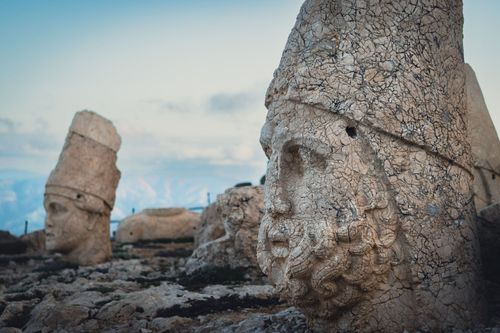
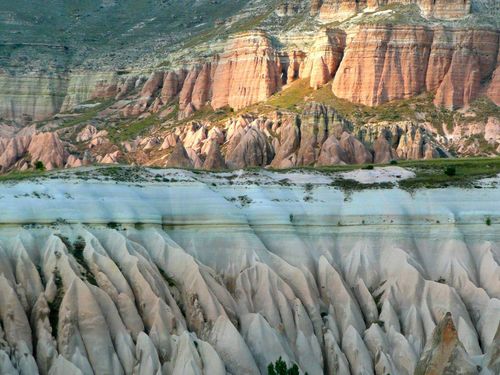
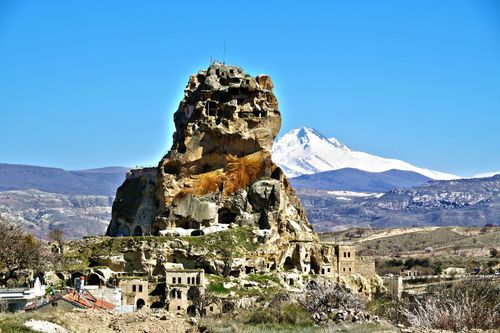
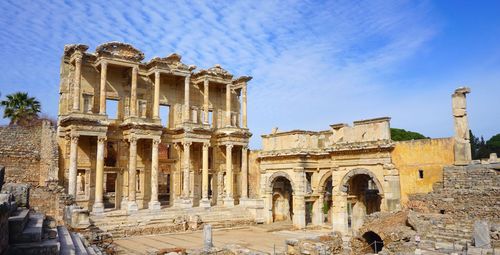
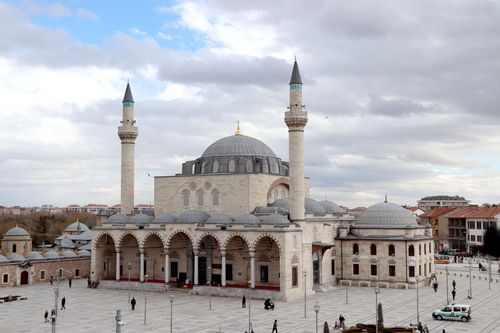
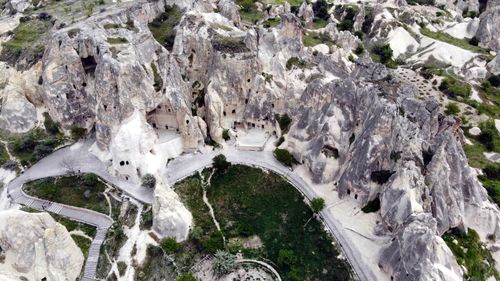
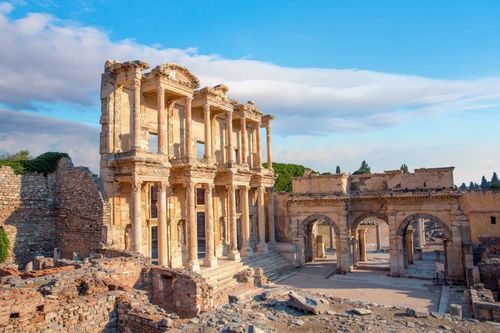
In terms of places to visit in Turkey, a huge part of the country’s appeal lies in its archeological sites, a legacy of the bewildering succession of states – Hittite, Urartian, Phrygian, Hellenistic, Roman, Byzantine, Armeno-Georgian – that held sway here before the twelfth century. From grand Classical cities to hilltop fortresses and remote churches, some still produce exciting new finds today. There is also, of course, a vast number of graceful Islamic monuments dating from the eleventh century onwards, as well as intriguing city bazaars, still hanging on despite the new wave of chain stores and shopping malls. Modern architecture is less pleasing – an ugliness manifest at most coastal resorts, where it can be hard to find a beach that matches the tourist-board hype. Indeed it’s inland Turkey – Asiatic expanses of mountain, steppe, lake, even cloud-forest – that may leave a more vivid memory, especially when accented by some crumbling kervansaray, mosque or castle.

Read More
  • Turkish identify: east or west?
  • Storks
  • Camels
  • Mimar Sinan, master builder