Portugal //

Where to go

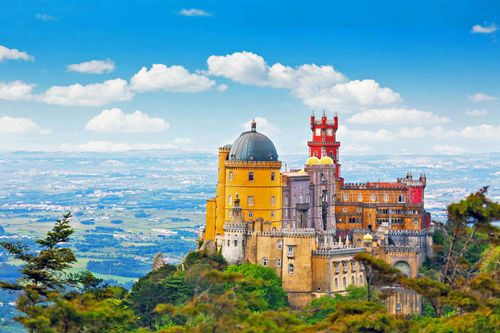
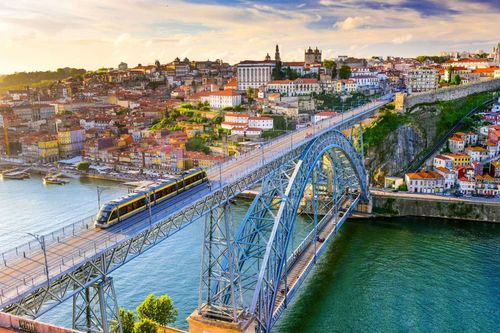
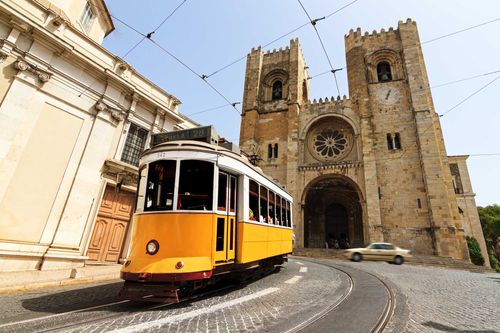
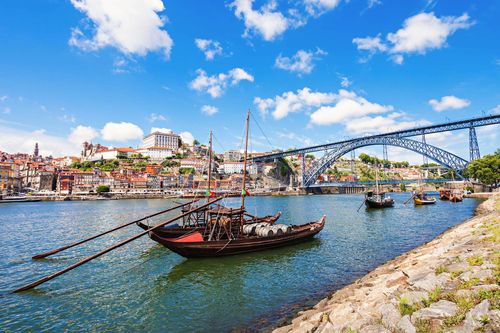
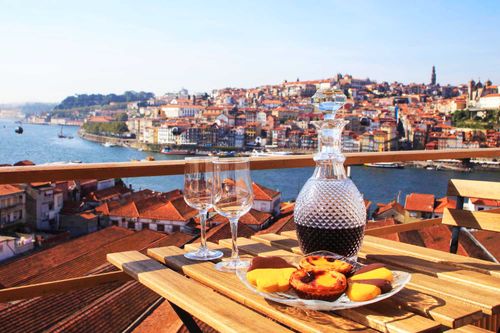
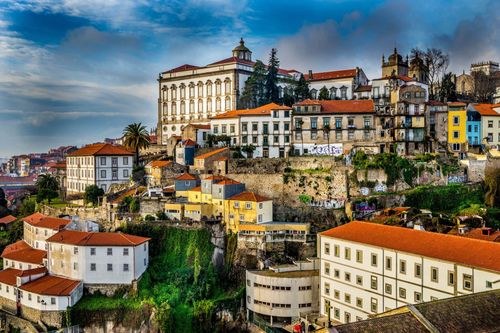
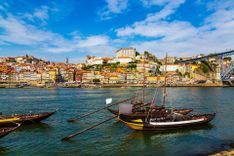
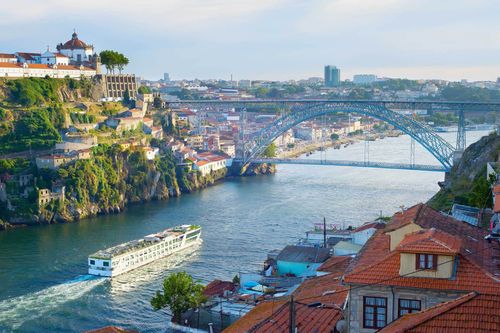
The obvious place to start a visit to Portugal is the capital, Lisbon, which within its environs contains a selection of just about everything the country has to offer: historical monuments, superb beaches and the former royal retreat of Sintra, along with neighbourhood grill houses, hip nightclubs and traditional city quarters. Further north on the Rio Douro (River Douro), Porto is the country’s second city and the economic heart of the nation, perhaps best known for its port wine lodges. It certainly beats to a faster work rhythm than the rest of the country but the city nevertheless retains an earthy, typically Portuguese welcome for outsiders.

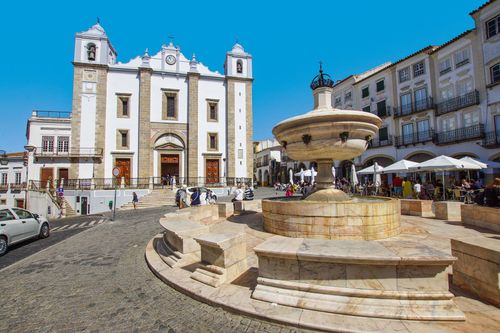
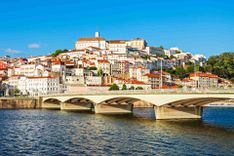
These are the only cities of any size in Portugal, but the country’s cultural and historical past is also reflected in vibrant smaller towns, especially the university towns of medieval Coimbra and Roman Évora, in the country’s first capital of Guimarães, at the religious centre of Braga, in canalside Aveiro or historic Viseu. Other towns have a more idiosyncratic interest – in Fátima, Portugal has one of the world’s most revered Catholic shrines, beautiful Tomar was headquarters of the Knights Templar, while Guarda boasts of being the highest city in Europe.

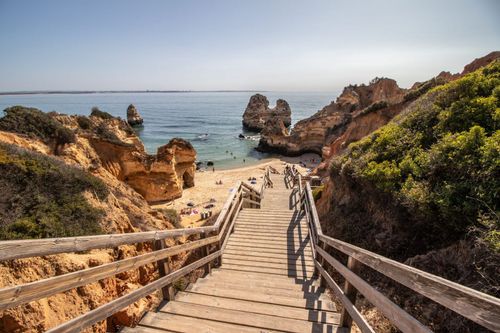
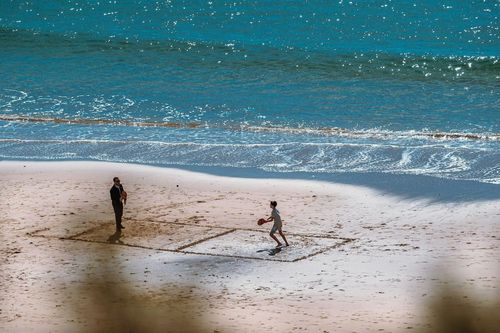
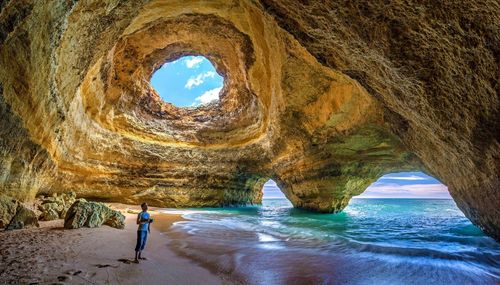
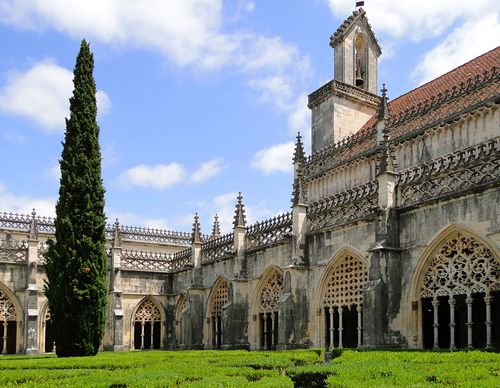
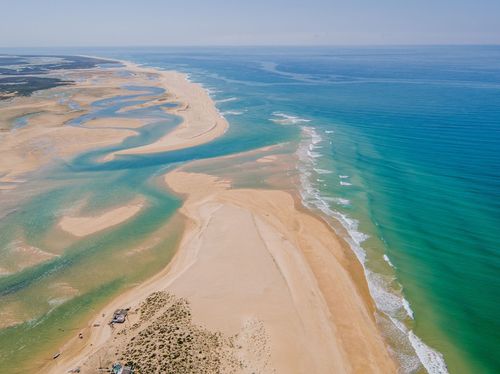
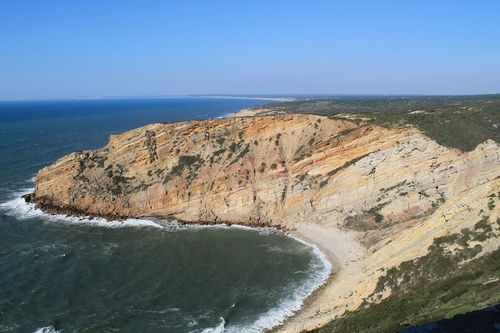
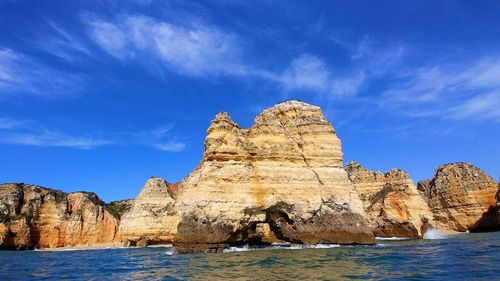
Elsewhere, some of the continent’s most extraordinary monuments dominate entire towns – the monasteries, abbeys, convents and pilgrimage sites of Mafra, Alcobaça, Batalha, Lamego and others are all well visited. There are also great weekly and monthly markets – such as those at Barcelos, Estremoz and Loulé – that are a throwback to earlier times and attract locals and visitors alike. Nature, meanwhile, provides the caves and dinosaur tracks of Estremadura, the iconic national forest of Buçaco, the surviving salt pans of the central coast, the ski fields near Covilhã and the various regional wine routes. But if Portugal has a natural emblem it is surely its famous beaches, the most alluring of which are in the Algarve, where you can still escape the crowds on the offshore islands around Tavira and along the west coast north of Sagres. Other less-developed (but more exposed) Atlantic beaches can be found up the entire west coast of Portugal, from the surfer hangouts of the Alentejo and Estremadura to the more traditional Costa da Prata resorts in the Beira Literal. Crowds are even thinner along the Costa Verde around Viana do Castelo, but by the time you are this far north the sea is decidedly chilly for much of the year.

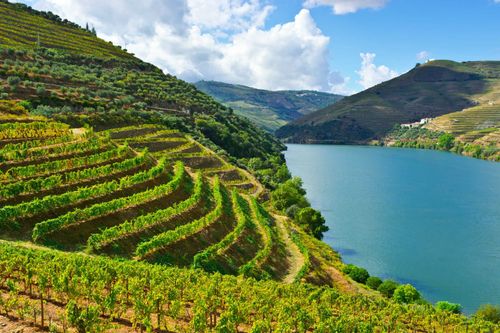
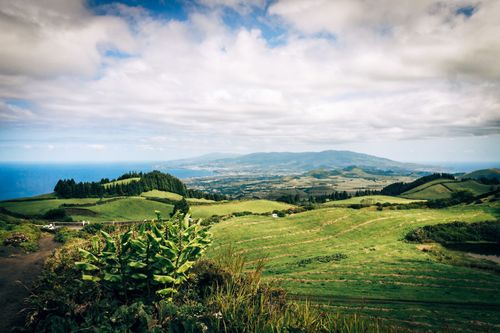
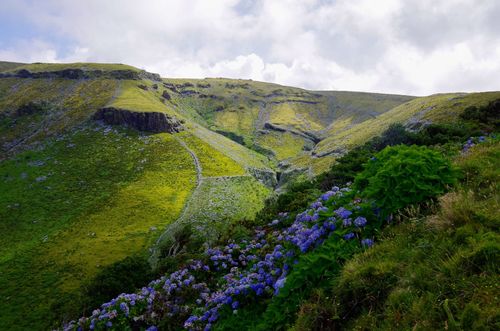
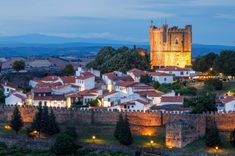
The most dramatic and verdant inland scenery lies in the north around the sensational gorge and valley of the Rio Douro and in the mountainous natural parks of the Serra da Estrela, Peneda-Gerês, Montesinho, Alvão and Serra da Malcata. Some rural villages in northern Trás-os-Montes still live a startlingly traditional existence firmly rooted in subsistence farming. Touring the minor serras, especially in the Beira region, can also show you a largely untouristed side of the country, as can the wide-open plains of the flat southern Alentejo, scattered with some of Portugal’s prettiest whitewashed villages. Finally, all along the border with Spain you’ll find fortified border settlements, from Valença do Minho in the north to Mértola in the south, most of them complete with fantastic castles and many barely touched by tourism.

Read More