
Planning your own trip? Prepare for your trip
Use Rough Guides' trusted partners for great rates
- Portugal
- Porto

written by
Ties Lagraauw
Lisbon might be Portugal’s capital, but Porto is definitely not second best. Perched dramatically at the mouth of the Rio Douro, it’s an atmospheric city that deserves at least a couple of days. Longer if you plan to fully explore the famous port wine lodges of Vila Nova de Gaia, just across the river. With a recent tourism boom, Porto now offers plenty of boutique hotels, plus an ever-growing scene of new restaurants and bars in its gentrified neighborhoods.

Tips from Joel
Portugal Travel Expert

Olá! I’m Joel, your local expert in Portugal. This Porto travel guide will walk you through everything you need to know, how to get there, what to do, where to stay, and more. If you’re planning a trip to Portugal, Porto should be high on your list, and I’ve helped hundreds of travelers make the most of their time here. No matter if you're here for food, wine, history, or just a relaxed break by the river. I’ve got you covered.
Joel's tip
Skip the crowds at Livraria Lello by going just before closing time. It’s quieter, the light is softer, and you’ll enjoy the magic without the madness.
Best time to visit
Spring (April-June) and autumn (September-October) are the ideal times. The weather is mild, crowds are fewer, and prices are reasonable. Summer gets hot and busy, while winter can be rainy but atmospheric. And often cheaper.
How to get to Porto
You can fly directly to Francisco Sá Carneiro Airport from many European cities. From Lisbon, trains and buses run regularly and take 3-4 hours. Porto is also well-connected to the Douro Valley and northern Spain.
Best areas to stay in Porto

Building with azulejos tiles is Igreja dos Congregados, Praca de Almeida Garrett, Porto, Portugal © AdobeStock
Porto lies in northern Portugal, about 300km north of Lisbon. It’s the country’s second-largest city, nestled along the Atlantic coast and the banks of the Douro River.
Often ranked among the best places to visit in Portugal, its strategic location makes it an ideal stop on any northern Portugal itinerary. You can pair Porto with the Douro Valley wine region, the beach towns of the Costa Verde, or hop into Galicia, Spain.


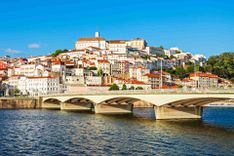



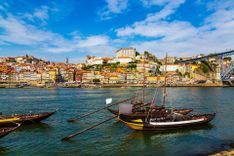

Porto is compact and easy to explore, with public transport options and plenty of walkable areas.

Sunset seen from beach in Foz do Douro parish in Porto city, Portugal
Wondering how long to stay in Porto? We recommend spending at least two to three days in Porto. This let you see the highlights, but a longer stay gives you time to dive into its food, wine, and buzzing nightlife. You’ll have time to wander the Ribeira district, visit the port wine cellars in Gaia, explore landmarks like Clérigos Tower and Livraria Lello, and take a Douro River cruise.
If you stay longer, you can dive deeper into Porto’s neighborhoods, discover local cafés and galleries, and plan a day trip to the Douro Valley or the beaches at Foz. On a Lisbon and Porto tour, giving Porto an extra day or two lets you see a more local, laid-back side of the city.
Porto has accommodation for every style and budget. Here’s where to stay, depending on your travel type. Also, make sure to read our detailed guide about the best areas to stay in Porto.
Stay in Ribeira for easy access to the main sights. This charming riverside area is Porto's historic heart. You'll be nearby of landmarks like the Dom Luís I Bridge, São Bento Station, and port wine cellars across the river. The cobbled streets are lined with colourful houses, waterfront restaurants, and lively bars. It’s a little touristy, yes, but the atmosphere is unbeatable, especially in the evening. If it’s your first time in Porto and you want to soak up the essence of the city, this is where you want to be.
Located where the Douro River meets the Atlantic Ocean, this upscale district offers a more romantic, seaside vibe. Think long beach walks, oceanfront cafes, and stunning sunsets. The pace here is slower, and you’ll find fewer crowds than in the city centre. It’s also home to luxury hotels and intimate guesthouses perfect for a romantic escape. You can still reach central Porto by tram or bus in under 30 minutes, making Foz a great base if you want tranquility with city access.
Porto’s bustling downtown and entertainment district. This area is full of restaurants, bars, cafés, and boutique shops. You’ll find everything from street food to Michelin-starred dining, plus live music venues and cocktail bars that stay open late. It's very walkable and central, a hub of energy, perfect for travelers who want to experience the city's evolving food scene and nightlife. If you’re into design hotels, rooftop bars, or café-hopping by day and bar-hopping by night, this is your spot.
A safe and quieter area with green spaces, perfect for exploring Portugal with kids. It’s known for its artsy, local atmosphere and is home to galleries, parks, and laid-back eateries. The area is less touristy than Ribeira, making it ideal for those traveling with kids who want a more authentic local vibe. There are several playgrounds, and it’s close to the Crystal Palace Gardens, a hit with families. Accommodation here ranges from short-stay apartments to charming guesthouses, a great mix for those who want a peaceful stay while still being a short walk or metro ride from the city centre.

Porto, Portugal @ Shutterstock
Porto’s charm lies in its contrasts. Gritty and polished, old and new, traditional and avant-garde. Here are some of the best things to do in Porto.
If there’s one place that captures the essence of Porto, it’s the Dom Luís I Bridge. Spanning the Douro River, this double-deck iron bridge connects the historic Ribeira district with Vila Nova de Gaia and offers the most iconic panoramic views in the city. The upper level is open to pedestrians and the metro, giving you sweeping views over terracotta rooftops, colourful buildings, and the riverfront lined with wine cellars. It’s ideal for first-time visitors, photographers, and anyone wanting to take in the city from above.
The bridge can get busy during the day, especially in summer, so it's best visited early in the morning or around sunset when the light is soft and the crowds thin out. The lower deck brings you closer to the water and is perfect for a scenic stroll back.
You don’t need a guide or a ticket to enjoy it. Just take your time crossing, stop for photos, and enjoy the atmosphere. Afterward, head to a rooftop bar in Gaia for a drink with a view of the bridge you just walked across. It’s a Porto moment you won’t forget.
Even if you’re not into books, Livraria Lello is worth the hype. Tucked away near the Clérigos Tower, this neo-Gothic bookstore is all ornate woodwork, stained glass, and the kind of sweeping staircase that begs to be photographed. Rumor has it that J.K. Rowling, who lived in Porto in the early ’90s, found inspiration here for Harry Potter’s Hogwarts. Whether that’s true or not, the atmosphere is undeniably magical.
Entry isn’t free, you’ll need a ticket, which you can buy online to avoid long queues. It’s small inside, and it gets busy from mid-morning, so arrive early if you want space to browse. Your ticket price is redeemable against a book, so you can take home more than just photos. Don’t rush, linger long enough to take in the details on the shelves and ceiling before stepping back into Porto’s buzzing streets.

Porto, Portugal @ Shutterstock
São Bento Railway Station is more art gallery than a transport hub. Its grand entrance hall is covered in over 20,000 blue-and-white azulejos, painted tiles depicting key moments in Portuguese history from epic battles to rural harvest scenes. The craftsmanship is jaw-dropping, and you’ll find yourself craning your neck to catch every detail.
This is still a working station, so you’ll see commuters rushing for trains while visitors stand in awe. It’s free to visit, and you can be in and out in under 20 minutes, though the light streaming through the tall windows mid-morning makes it worth lingering longer. It’s also perfectly located in the city center, making it an easy stop between other sights. Even if you don’t plan on catching a train, São Bento is one of those Porto experiences you can’t skip; it’s history, art, and architecture all rolled into one.
Ribeira is Porto at its most photogenic, a maze of narrow lanes spilling into a sunlit riverfront. This UNESCO-listed neighborhood is all about atmosphere, faded pastel façades, laundry strung between balconies, and the smell of grilled sardines drifting from tiny kitchens. Down by the water, the Douro is alive with traditional rabelo boats, once used to transport barrels of port wine from the Douro Valley.
It’s touristy, yes, but there’s no better place for a slow wander, a glass of vinho verde, or a francesinha sandwich at a café overlooking the river. Come in the morning for quiet cobblestones, or at dusk when fairy lights twinkle overhead and street musicians fill the air with fado. To escape the crowds, duck into the uphill side streets, where locals linger in tiny tascas over strong coffee and gossip. Ribeira is the Porto postcard, and sometimes clichés are worth it.
Porto and port wine go hand in hand, and the best place to learn and taste is across the Douro in Vila Nova de Gaia. Here, you’ll find centuries-old cellars like Sandeman, Graham’s, and Taylor’s alongside smaller, family-run lodges. Tours walk you through cool, barrel-filled warehouses, explaining how grapes from the Douro Valley become the city’s signature drink. They usually end with a tasting, tawny, ruby, maybe even a white port if you’re lucky.
Book ahead, especially in summer when the tours fill up fast. If you’re short on time, pick one cellar and enjoy it slowly. Combine your visit with a stroll along Gaia’s waterfront or head up to a rooftop bar for sunset views of Porto across the river. A glass of port in hand, city lights flickering in the distance, this is the Porto you’ll remember.

Lighthouse in Foz do Douro © AdobeStock
The Clérigos Tower is Porto’s most recognisable landmark, a slender baroque spire rising 75 meters above the city. Built in the 18th century, it was once a guiding point for sailors navigating the Douro. Today, it’s a challenge for your legs, 225 narrow, winding steps to the top. The climb is tight, and you’ll need to squeeze past other visitors on the way, but the panoramic view is worth every step.
From the top, the terracotta rooftops stretch to the river and beyond. Go early in the day to avoid queues and harsh midday light. Your ticket also gives you access to the adjacent Clérigos Church, which is worth a quick look for its ornate altarpiece. If heights or confined spaces aren’t your thing, you can still admire the tower from street level, preferably with a coffee from one of the cafés in its shadow.
Mercado do Bolhão is Porto’s beating, bustling heart, a traditional market that’s been selling fresh produce since the 19th century. After a major renovation, it’s cleaner and brighter, but still full of character. Locals shop here for glistening fish, pyramids of oranges, wedges of queijo da Serra, and bunches of flowers that perfume the air.
It’s a great spot for a casual breakfast, grab a pastel de nata and a bica, an espresso, from one of the stalls, and people-watch. You can also buy cured meats, cheeses, and bread for a picnic by the river. The market is busiest in the morning, especially Fridays and Saturdays, so arrive early to catch it at its most lively. This is a place where Porto’s daily life is on full display, chat with stallholders, taste samples, and leave with a bag full of flavors you won’t find in a supermarket.
When you’ve had your fill of steep streets and stone churches, head west to Foz do Douro, where the river meets the Atlantic. The vibe here is slower, locals stroll along the palm-lined promenade, joggers weave past, and the sea air is thick with the scent of salt and grilled sardines.
You can take the historic tram from the city center, which rattles past the river before reaching the coast. Once there, walk to the Felgueiras Lighthouse, watch waves crash over the pier, or find a café for a lazy afternoon. Swimming isn’t ideal, the water’s cold and currents strong, but the golden light at sunset is reason enough to stay until evening. Foz is the perfect antidote to Porto’s hustle, breezy, open, and just a short ride away.

Porto, Portugal @ Shutterstock
Once Porto’s stock exchange, Palácio da Bolsa is now a monument to 19th-century ambition. From the outside, it’s an imposing neoclassical building. Inside, the guided tour takes you through lavish rooms, the highlight being the Arab Room, all gold leaf, intricate Moorish arches, and patterned ceilings that look more palace than place of business.
The tour lasts around 45 minutes and gives you a glimpse into the city’s economic past, when merchants gathered here to strike deals. Even if finance isn’t your thing, the artistry of the interiors will win you over. It’s right in the heart of the historic center, so you can easily combine it with nearby sights like the Ribeira district or São Bento Station. Book tickets ahead in peak season to avoid waiting around, and keep your camera ready.
Despite its grand name, there’s no crystal palace here anymore; it was demolished in the mid-20th century. What remains are sprawling, landscaped gardens perched above the Douro, with winding paths, fountains, and shady spots perfect for a picnic. You’ll also spot peacocks wandering freely, strutting as if they own the place.
The real draw here is the view. From the terraces, you can see the river curving past red-roofed houses toward the ocean. Families love it for the playgrounds and open spaces, while couples come for sunset walks. It’s a calm escape from the city’s hills and narrow streets, yet only a short walk from the center. Bring snacks, a camera, and a little time to just sit and watch the light change over Porto; it’s one of the city’s quieter pleasures.

Porto, Covo Beach, Portugal @ Shutterstock
Porto has a temperate maritime climate, with mild, rainy winters and warm, dry summers. The best time to visit Portugal often depends on what you want from your trip, and Porto is no exception. Weather can change quickly here, so packing layers is always a smart move. Average temperatures range from 48°F (9°C) in January to 77°F (25°C) in August, though heatwaves can push summer highs above 86°F (30°C). For up-to-date forecasts, check IPMA (Portuguese Institute for Sea and Atmosphere).

Pastel de Nata @ Shutterstock
Porto is a food lover’s dream, a mix of traditional dishes, fresh seafood, and creative new-wave chefs pushing boundaries. Here’s what to eat and where to try it:

Porto, Portugal @ Shutterstock
Here are some unique experiences we can arrange for your tailor-made Porto trip, all private, flexible, and custom-designed by our local travel experts.
Use Rough Guides' trusted partners for great rates
written by
Ties Lagraauw

