#4 Walk the Roman bridge at Ponte de Lima
Ponte de Lima, often described as Portugal’s oldest town, is defined by its graceful Roman bridge across the Lima River. Legend says soldiers once hesitated to cross, believing it was the mythical Lethe, the river of forgetfulness. Today, the bridge is a serene place for a stroll, with reflections of tiled houses and church towers on the water.
The town itself is charming, with arcaded squares, leafy riverside parks, and a strong culinary tradition: sarrabulho rice, made with pork and spices, is the local specialty. Market day (every other Monday) fills the streets with stalls and gives the town its most vibrant atmosphere.
#5 Explore Viana do Castelo’s seafaring heritage
Viana do Castelo sits where the Lima River meets the Atlantic, a place long tied to shipbuilding and exploration. Its historic center is filled with Manueline architecture, azulejo-covered churches, and elegant plazas. The Gil Eannes, a former hospital ship moored in the harbor, tells stories of Portugal’s fishing fleets in the icy North Atlantic.
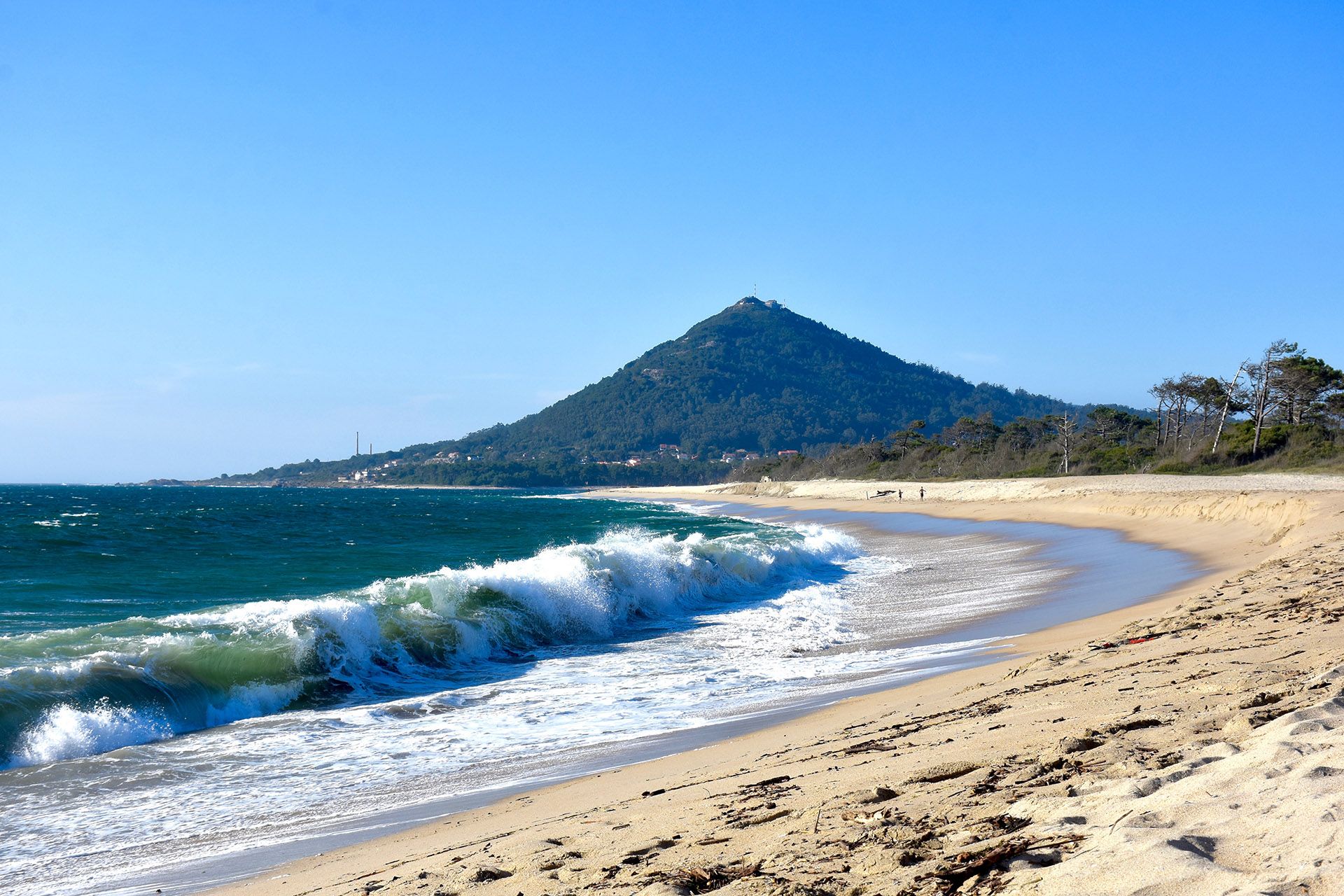
Ride the funicular up Monte de Santa Luzia for one of the best views in northern Portugal: the basilica dome in the foreground, the river winding to the sea, and sandy beaches stretching along the coast.
#6 Hike in Peneda-Gerês National Park
Portugal’s only national park is a rugged expanse of granite peaks, oak forests, waterfalls, and remote villages. Trails range from short walks to full-day hikes, many leading to cascades where you can swim in summer. Wildlife includes wild ponies, golden eagles, and herds of long-horned cachena cattle grazing on mountain pastures.
Don’t miss the villages of Soajo and Lindoso, known for their espigueiros, stone granaries perched on stilts like miniature temples. Evenings here are quiet, with just the sound of church bells and the rush of mountain streams.
#7 Follow the wine routes of the Minho
The Minho is the home of vinho verde, Portugal’s young “green wine,” crisp and slightly sparkling. Vineyards stretch across the Lima and Cávado valleys, where you can tour family estates, learn about the tradition of training vines high on pergolas, and sample whites, rosés, and light reds paired with regional cheeses and cured meats.
Many quintas welcome visitors with tastings in shaded courtyards. The experience is less formal than in the Douro, often with the winemaker pouring your glass and telling stories of the land.

 Travel Expert