Top Attractions - What to see in Portugal
Here’s a selection of famous landmarks, attractions and places in Portugal everyone should see in a lifetime - places that’ll hands down enhance your Portugal travel experience.
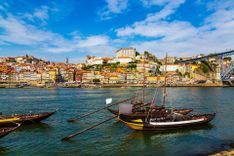
- Cais da Ribeira, Porto - awarded UNESCO World Heritage Site status for obvious reasons; charaterful line the riverside; medieval streets invite exploration.
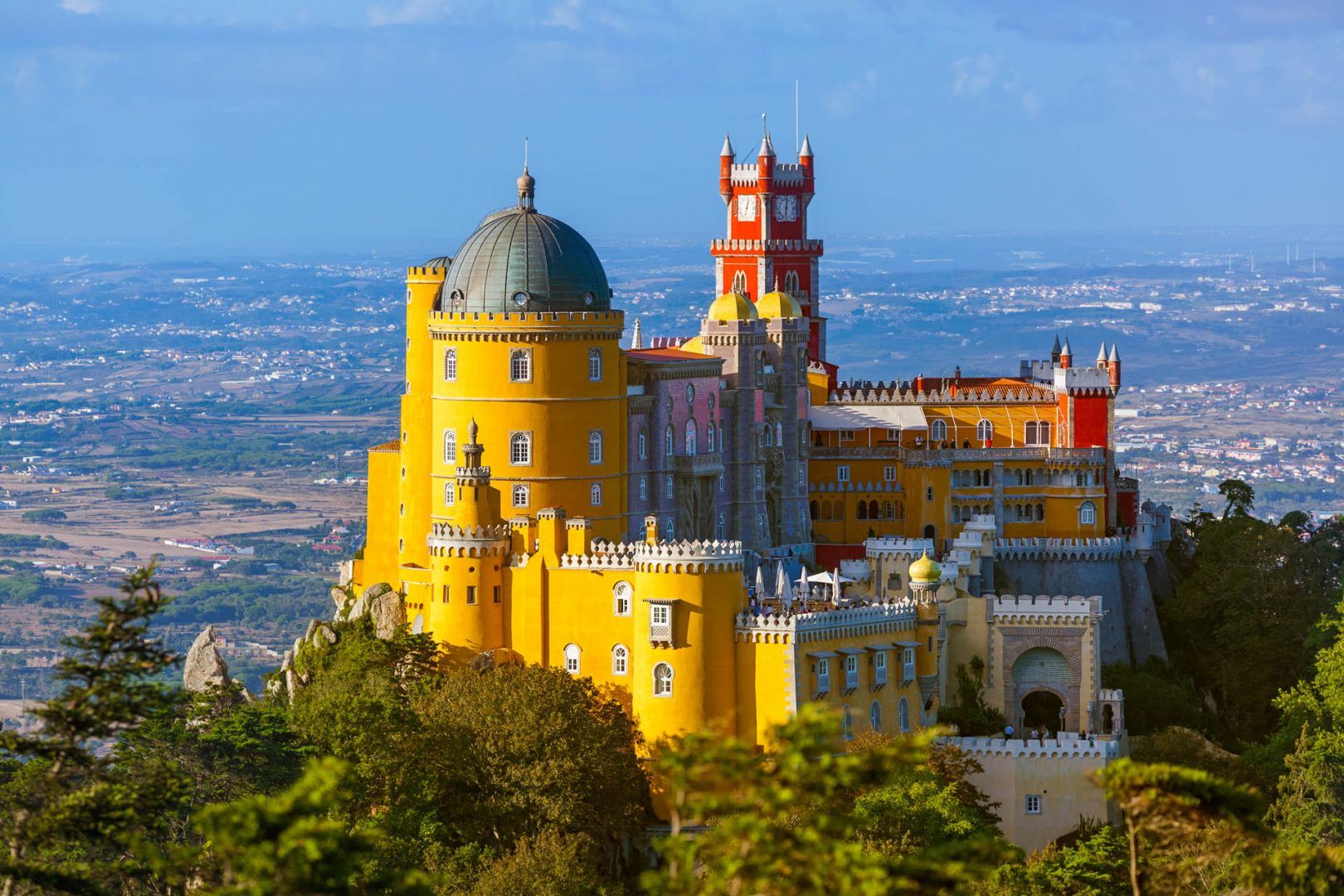
- Sintra - one of Portugal’s major attractions with UNESCO World Heritage kudos; a hilltop town of lavish palaces and gorgeous gardens
- Alfama - Lisbon’s oldest quarter is an atmospheric tangle of narrow alleys.
- Parque Nacional da Peneda-Gerê - Portugal's only national park offers alluring trails past gushing streams and alpine scenery.
- Praia da Bordeira - a secluded, beautiful Algrave beach backed by dunes and rugged hills, with a lagoon for kids to splash in, plus great surf.
Discover more great places to see in our ultimate list of things not to miss in Portugal.
Best things to do in Portugal
Adventure activities
Internationally famed for its beaches, golf courses and tennis centres, Portugal also has an ideal climate for a variety of adventure activities, with many regions now offering paragliding, abseiling, rafting, canyoning, caving, mountain biking and 4WD expeditions. There’s most scope in the mountain areas - notably the
Serra da Estrela and Peneda-Gerês parks - and on the major rivers (Douro, Mondego and Zêzere), but many of the smaller nature parks and reserves also have local adventure outfits.
Swimming, surfing and windsurfing
Chances are, when you visit Portugal you’ll make time to enjoy some of its amazing coastline. The Algarve has the country’s most popular sandy beaches, many of them sheltered in coves – and the sea is warmest on the eastern Algarve. The western coast has some stupendous stretches of beach, but they face the full brunt of the Atlantic Ocean, making for great surfing ad wind-surfing opportunities - Portugal travel at its most exhilarating. The more protected west coast of the Algarve is excellent for beginners and experienced surfers alike - don’t miss giving it a go when you travel to Portugal.
Hiking and walking
While Portugal only has one national park - the Parque Nacional da Peneda-Gerês in the north -over forty other protected areas offer incredible walks. Special mention must be made of the lesser-trodden trails of the highest mountains in Portugal - taking in historic villages, waterfalls, windswept rocky plateaus and stupendous views, routes in the
Parque Natural da Serra da Estrela are a must-visit for adventurous hikers who visit Portugal. You might want to hire a local Portugal guide with hiking know-how.
Some of Portugal’s other dramatic walking landscapes include the limestone caves of the Serras de Aire e Candeeiros, the island hideaway of the Ilha Berlenga (reached from Peniche), and the lagoons, dunes and marshes of the Ria Formosa.
Culture, history and traditional entertainment
Whichever region you choose when you visit Portugal, you won’t be short of historic sights to soak up. From Alfama, Lisbon’s ancient heart, with its Moorish castle, to the sparsely inhabited medieval village of
Monsaraz. Located near the Spanish border, it sits high above a plain of vineyards and olive groves, with a stunning castle, and charming streets speckled with handicraft shops.
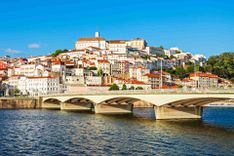
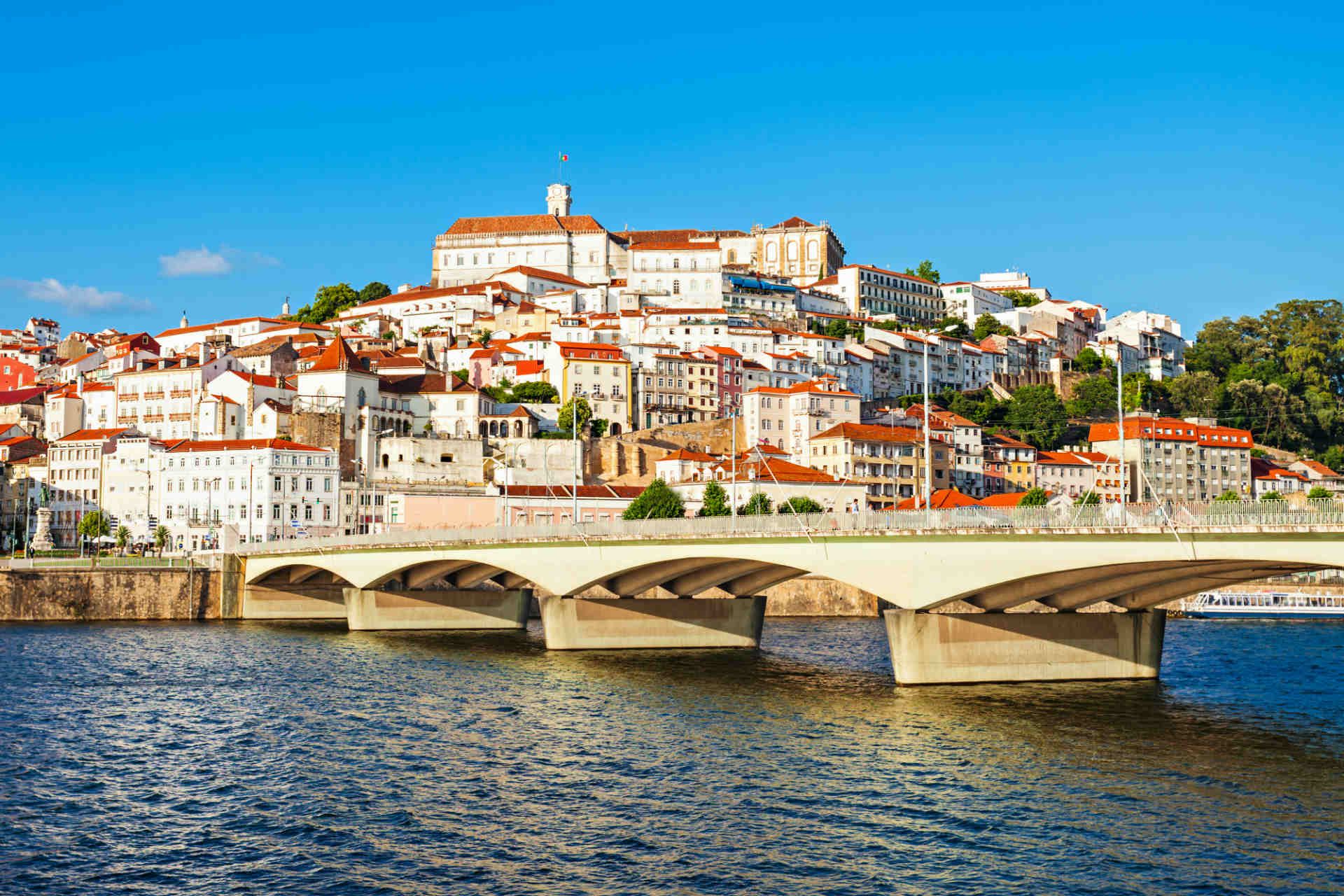
Meanwhile, medieval charm awaits in Coimbra, one of the best places to travel in Portugal for history and contemporary culture. Home to Portugal’s oldest university, the old town exudes old world charm, and a liveliness generated by the student population, with plenty of opportunities to hear fado music - listening to this moving, melancholic traditional song accompanied by guitars is a Portugal travel highlight.
Meander markets
Most large towns have a daily municipal market to pick up fresh meat, fish, fruit, veg and bread, and these are often supplemented by a larger weekly affair, where you’ll also be able to buy clothes, shoes, ceramics, baskets, flowers, and a million-and-one other things you never knew you needed.
Shopping in these markets is a wonderful way to experience Portuguese life, and pick up supplies and gifts to take home.
The best flea market in the country is Lisbon’s Feira da Ladra (held on Tuesday and Saturday), while the small town of Barcelos comes alive on Thursdays with one of the best open-air markets in Europe, held since medieval times. If you’re looking to take home some of the loucas de Barçelos, (local white and yellow pottery), traditional basketry and other crafts, you’re in the right place here - it’s a memorable highlight of any Portugal trip.