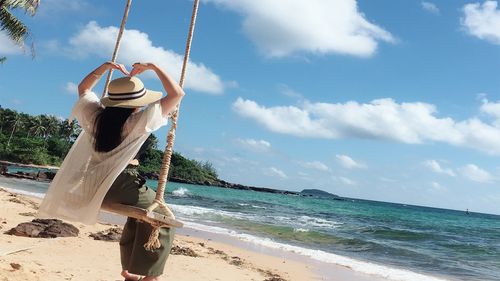
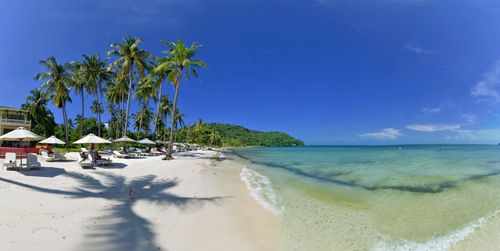
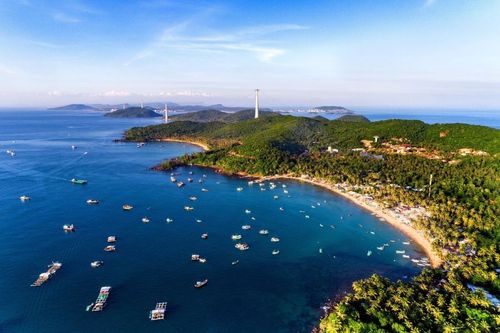
#7 Spend time on the beaches of Phu Quoc Island
Phu Quoc Island is one of Vietnam’s easiest places to slow down, with broad beaches, warm seas and some of the country’s best sunsets.
After a busy route through cities, highlands or the Mekong Delta, it can give 16-day Vietnam trips a relaxed final stretch without adding complicated travel.
Days here can be as simple as beach time and seafood dinners, or more active with motorbike rides through the island’s interior, snorkelling and diving around the coast.
Although Phu Quoc is often combined with southern Vietnam, it has a very different feel from the Mekong Delta, making it better treated as a beach extension rather than part of the delta itself.
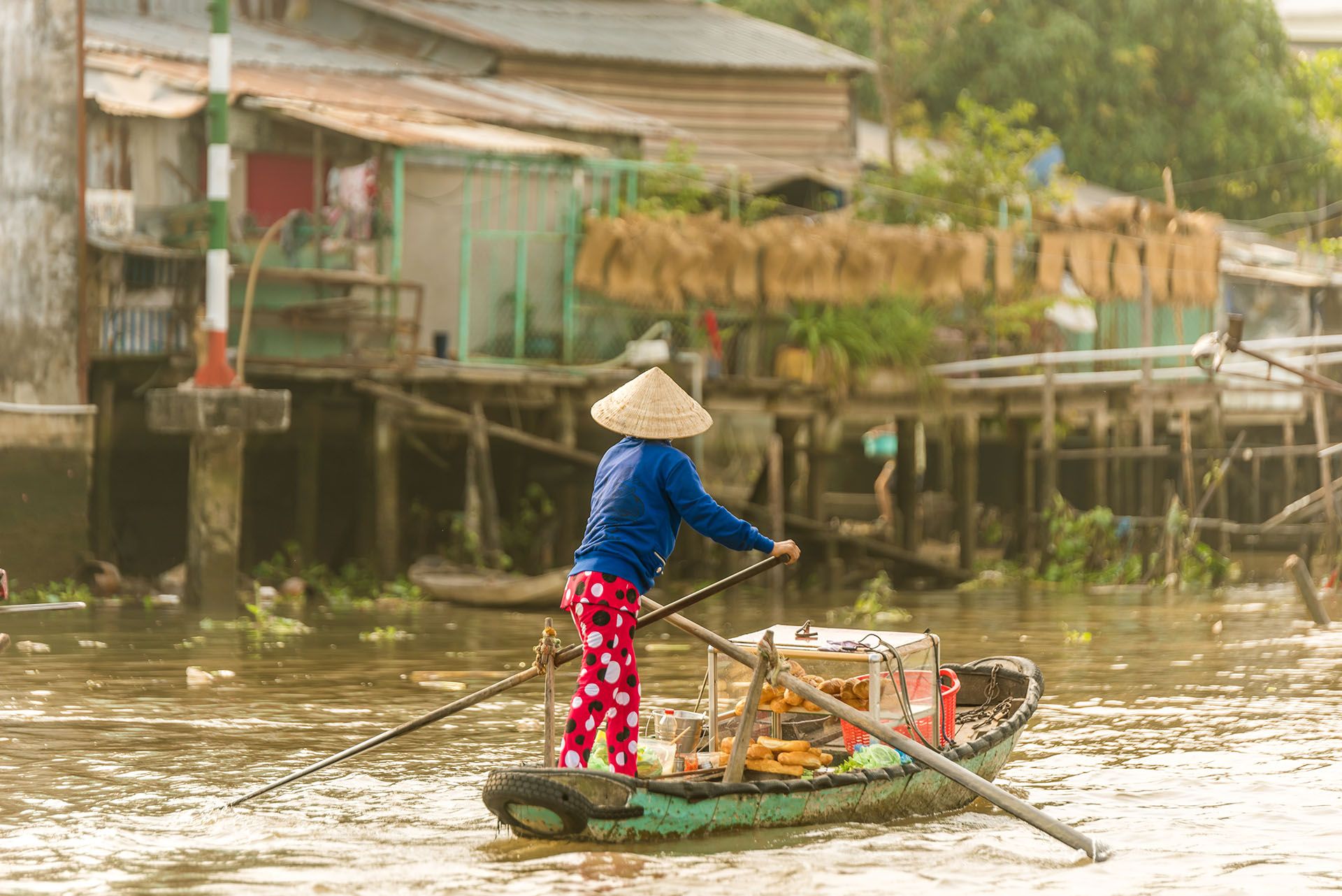
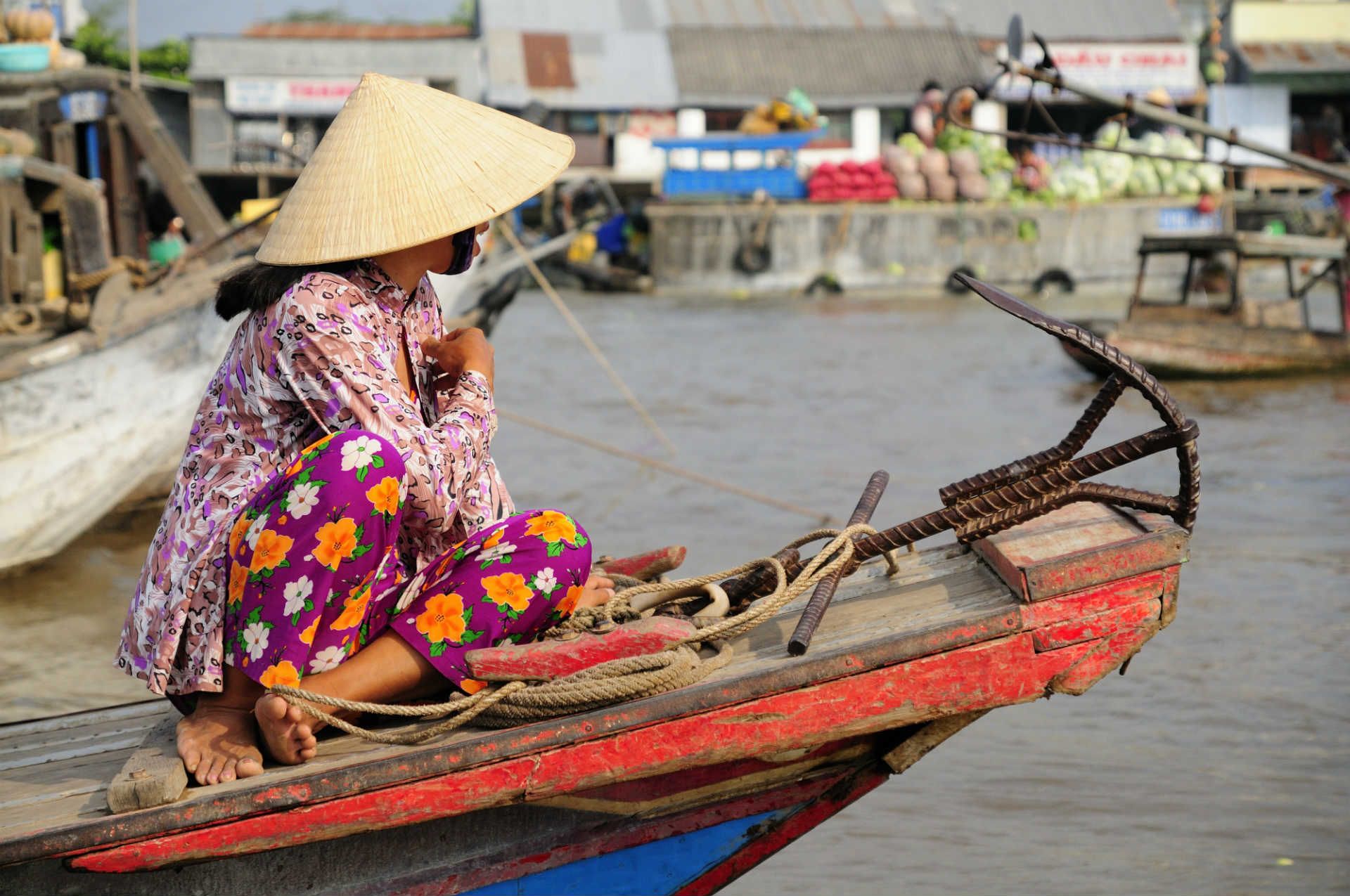
#8 Visit the infamous floating markets
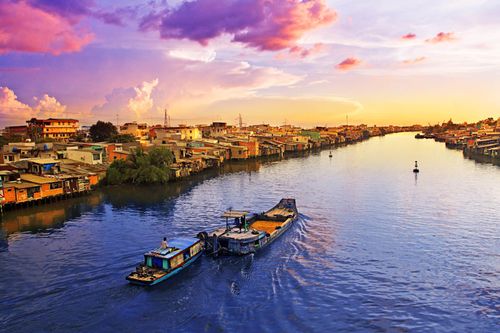
The floating markets are one of the Mekong Delta's most iconic images, where vendors sell fruits, vegetables, and other goods from their boats. Cai Be and Can Tho are two of the most popular floating markets, but other smaller ones can be found in various parts of the delta.
#9 Explore Tra Su Cajuput Forest
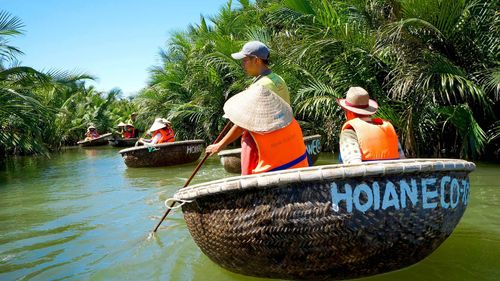
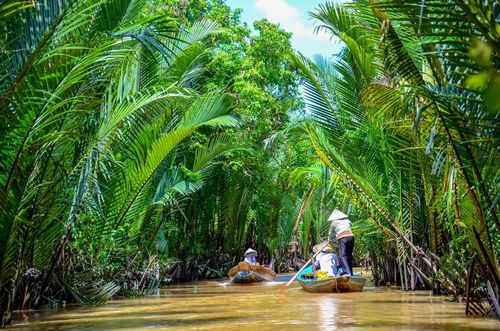
Tra Su Cajuput Forest is a protected area located in An Giang Province, where visitors can take a boat ride through a maze of channels lined with cajuput trees. The forest is home to various bird species, including storks, herons, and cormorants.
#10 Try local delicacies
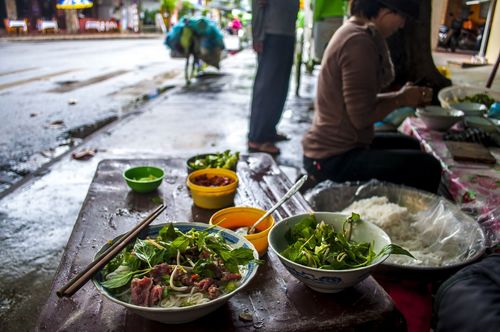
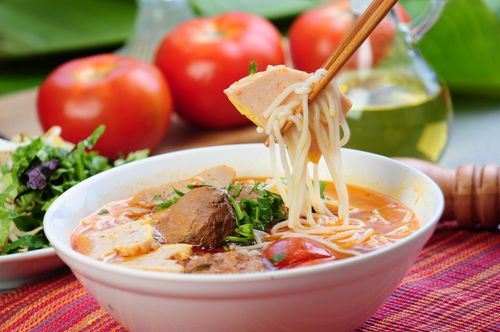
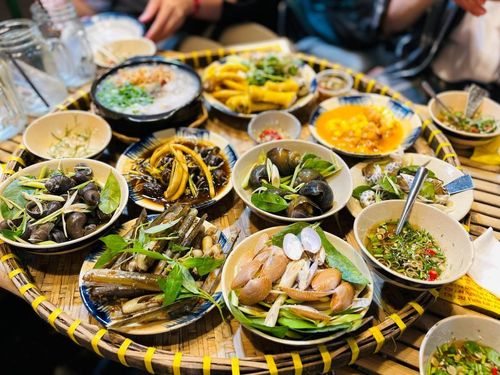
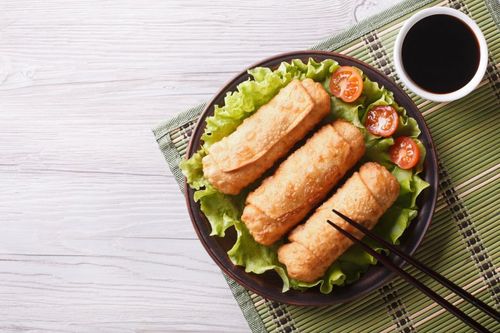
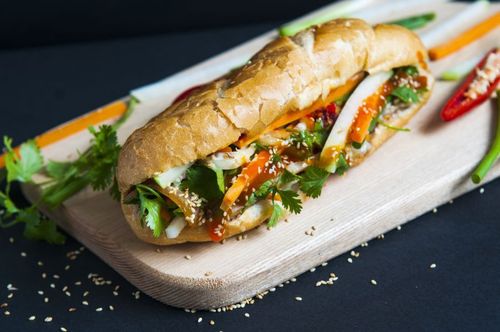
The Mekong Delta is known for its delicious and unique cuisine, including dishes such as banh xeo (crispy rice pancakes filled with shrimp, pork, and bean sprouts), hu tieu (rice noodles served in a flavorful broth), and ca kho to (caramelized fish in a clay pot). Visitors should also try fresh fruit, coconut candies, and rice wine, which are all local specialities.
Where to stay
The Mekong Delta offers a range of accommodation options to suit different budgets and preferences. Larger cities like Can Tho and Chau Doc have a good range of hotels, from budget options to higher-end resorts.
Vietnam homestays are also a popular choice, offering visitors a chance to experience local life and hospitality. These are available in various villages throughout the delta. For those who prefer a more unique experience, floating homestays and eco-lodges are available in some areas, allowing visitors to stay on the water and enjoy the peaceful surroundings.
- Bassac Victoria (Chau Doc). Expect imaginative iterations of Western and Asian dishes, such as roast loin of lamb or roasted duck breast, as well as cheaper meals such as pho.
- Phuong Nam (Can Tho). While here, try the snake meat, curried or with satay sauce. Or the crocodile steak with fries. Ostrich in steak or sautéed form is another favourite.
- Chuon Chuon Bistro (Phu Quoc Island). This restaurant features one of the best views on the entire island, and features an international menu.

 (1).jpg)