#4 Live like a sugar baron in Silay
The elegant town of Silay, about 15km north of Bacolod, is an atmospheric relic of a grander age when Negros was rich from its cultivation of sugar cane.
In the late eighteenth century it was talked about as the “Paris of Negros”, with music performers from Europe arriving by steamship to take part in operettas and zarzuelas.
This passion for music and the arts gave Silay – and the Philippines – its first international star, Conchita Gaston, a mezzo-soprano who performed in major opera houses in Europe in the postwar years.
Today, Silay’s major tourist draw is its ancestral homes, most of them built between 1880 and 1940. Some of the best are open to the public or have been converted into hotels, offering a glimpse of what life was like for the sugar barons.
#5 Extreme trekking in Mount Kanlaon National Park
At the centre of the forested park is Mount Kanlaon (2435m), the tallest peak in the central Philippines and one of the thirteen most active volcanoes in the country. Climbing it offers a potentially dangerous challenge, with the real possibility of violent eruptions — climbers have died scaling it — and the crater’s rim is a forbidding knife edge overhanging an apparently bottomless chasm.
The dense surrounding forest contains all manner of wonderful fauna, including pythons and tube-nosed bats, and locals believe the mountain is home to many spirits. For 8-day Philippines trips that allow time for a serious inland adventure, Mount Kanlaon adds a dramatic contrast to the country’s beaches and island-hopping routes.
There are three main routes up the volcano itself. The Guintubdan trail is the easiest and most common ascent, while the 14km-long Mananawin trail works best over three days and offers the chance to really get to know the region. The short, steep Wesey trail is very exposed and only for experienced tropical mountaineers. Whichever route you choose, you will need a guide.
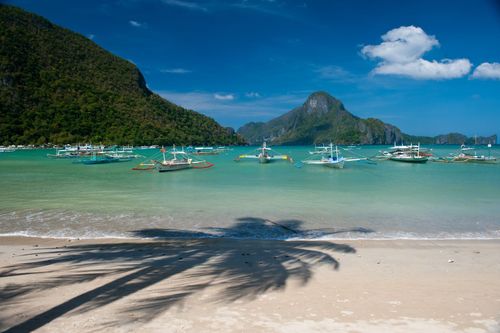
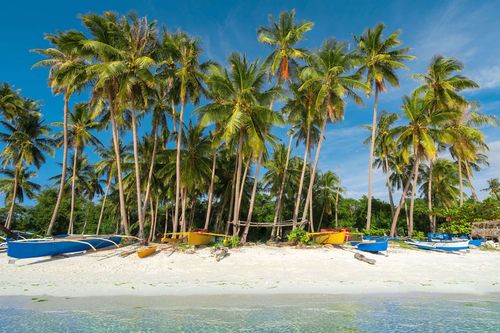
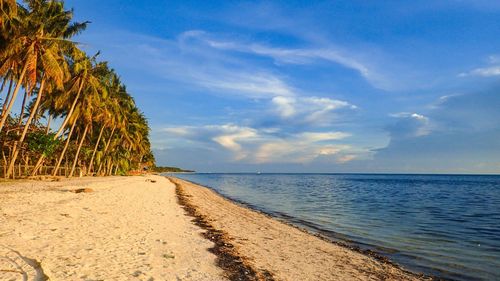
#6 Laze beneath swaying palms on Sugar Beach
Negros’ most delightful strip of sand is a superb place to unwind and a good jumping-off point for magnificent Danjugan Island.
Resorts can arrange boat transfer, picking you up from Poblacion Beach in Sipalay; a cheaper, less direct alternative is to take a tricycle to Nauhang, then a small paddle boat across the creek, and walk around the headland – better still, ask to be let off the bus in Montilla, 5km northeast of Sipalay, only a short tricycle ride from Nauhang.
Although it’s just 5km as the crow flies from Sipalay, the absence of road access to beautiful Sugar Beach, cut off by knobbly green hills, makes it feel more like an island.
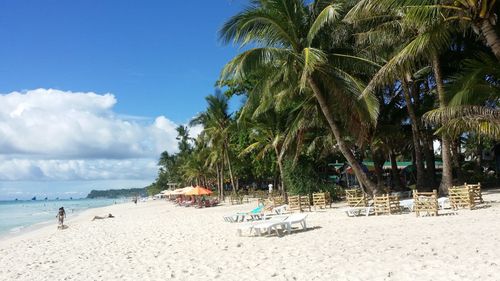
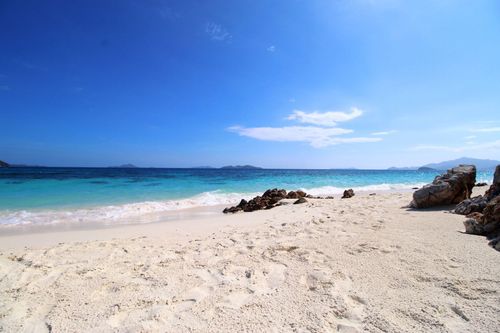
While it may not have the white sand and azure waters of Boracay, it offers a relaxed vibe, plus a good selection of small resorts ranging from ultra-budget to mid-range.
#7 Delve beneath the waters surrounding Apo Island
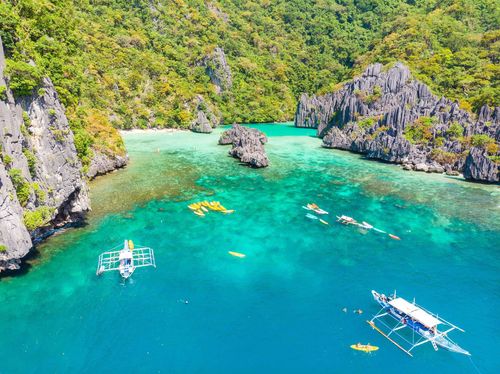
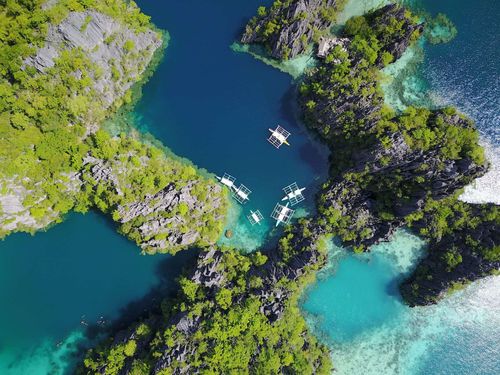
This Robinson Crusoe-esque hideaway off Negros has become a prime destination for divers, most of whom head out for the day from Dumaguete, Dauin or Siquijor.
Site of one of the Philippines’ first and most successful marine reserves, Apo has a series of reefs teeming with marine life, from the smallest nudibranch to the largest deepwater fish.
The sanctuary area is on the island’s southeast coast, while much of the flat land to the north is occupied by the only village, home to four hundred fisherfolk and farmers.
Non-divers needn’t be bored; Apo has some fantastic snorkelling and it’s a great little island to explore on foot.
#8 Take a tour of Siquijor
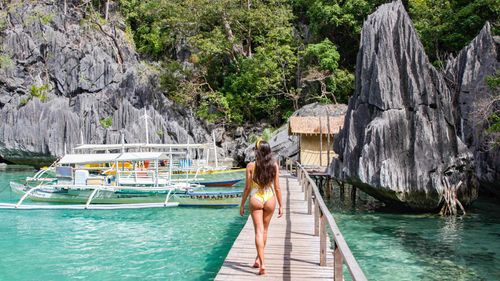
Small, laidback Siquijor lies between the islands of Cebu, Negros and Bohol. The island is a peaceful and picturesque pleasure to tour, whether by bike, tricycle, motorbike or jeepney – the entire 72km coastal road is paved (a rare delight in the Philippines) and traffic is light.
The beaches alone make it worth a visit, but there are also mountain trails, waterfalls and old churches to explore as well as decent scuba diving. The island is gradually becoming more popular, but for now it remains relatively unexplored by tourists.
Most places to stay are within half an hour of the port towns of Siquijor and Larena, notably around San Juan, south of Siquijor, and at Sandugan, north of Larena.
A number of resorts have certified dive operators who will take you on trips to places such as Sandugan Point and Tambisan Point, both known for their coral and abundant marine life.
At Paliton Beach there are three submarine caves where you can see sleeping reef sharks, and at Salag-Doong Beach, on the eastern side of the island, divers have occasionally reported seeing manta rays and shoals of barracuda.