Travel advice for Mexico
From travel safety to visa requirements, discover the best tips for visiting Mexico
Mexico welcomes more than 45 million international visitors each year, making it the seventh most-visited country in the world. Covering almost 770,000 square miles (2 million sq km), it stretches from the arid Sonoran Desert in the north to the tropical rainforests of Chiapas in the south, with a huge range of landscapes, climates, and experiences in between.
The country is divided into 32 states, each with its own character. Mexico also has 35 UNESCO World Heritage Sites, the most in the Americas. Its history spans around 3,000 years, from the great civilizations of the Maya and Aztec to the grand colonial architecture built under Spanish rule, shaping a cultural heritage that is as varied as its geography.
Here's our round up of the best of our Mexico travel tips, so you have all the info you need to know before you go.
In general, December through April is the driest stretch and is the best time to visit Mexico. The weather’s usually comfortable—around 70-80°F (21-27°C) in the highlands and on the Pacific coast.
Hurricane season runs from June to November, which mainly affects the coasts. Inland areas like Mexico City and Oaxaca aren’t really impacted. May and November are in-between months with lower prices and smaller crowds, though you might get a few afternoon showers.
Mexico travel tip: If you’re hoping to see whales in Baja California, go between January and March. For monarch butterflies in Michoacán, November to March is best. Around Christmas and Easter, expect more local travelers, higher prices, and fully booked hotels - so plan ahead if you’re visiting then.
It depends where you go and how you travel, but Mexico generally gives you good value - cheaper than Costa Rica, more expensive than Guatemala.
In the end how much it costs will really come down to your Mexico itinerary.

San Blas, Mexico, Riviera Nayarit © Shutterstock
Safety in Mexico really depends on where you're going. Most travelers have no problems, especially if you stick to tourist-friendly areas like Playa del Carmen, Puerto Vallarta, or San Miguel de Allende.
Like anywhere, it helps to stay aware: don’t flash valuables, use official taxis or ride apps, and avoid walking around unfamiliar neighborhoods at night. Some parts of the north and certain Pacific states have higher crime levels, so it’s worth checking current travel advisories before you go.
Mexico travel tip: You’ll want to travel during the day when moving between cities, stay in areas that are well-frequented, and trust your gut if something feels off. Travel insurance is a good idea, and it doesn’t hurt to register with your embassy before your Mexico trip.
Mexico’s legal system works differently than in the U.S. or Canada. Even a small amount of drugs can get you into serious trouble. And while police corruption does exist, it’s not something most tourists encounter directly - but still, it’s smart to know your rights and keep your embassy’s info handy.
A few things to keep in mind:
If you’re from the U.S., Canada, the EU, or most Western countries, you’ll get a 180-day tourist card (FMM) when you arrive. Sometimes, though, immigration will write in a shorter stay - so check what they give you. Keep your FMM safe; you’ll need it to leave the country. If you lose it, you’ll have to go to an immigration office and pay a fine.
How to plan a trip to Mexico if you want to stay past your FMM date? You’ll need to go to an immigration office before it expires. The process involves paying a fee (around 600 pesos) and showing proof of funds. Some travelers just leave the country and come back to reset their tourist card, but that approach isn’t always reliable anymore - Mexican authorities are starting to crack down on people using tourist visas for long-term stays.
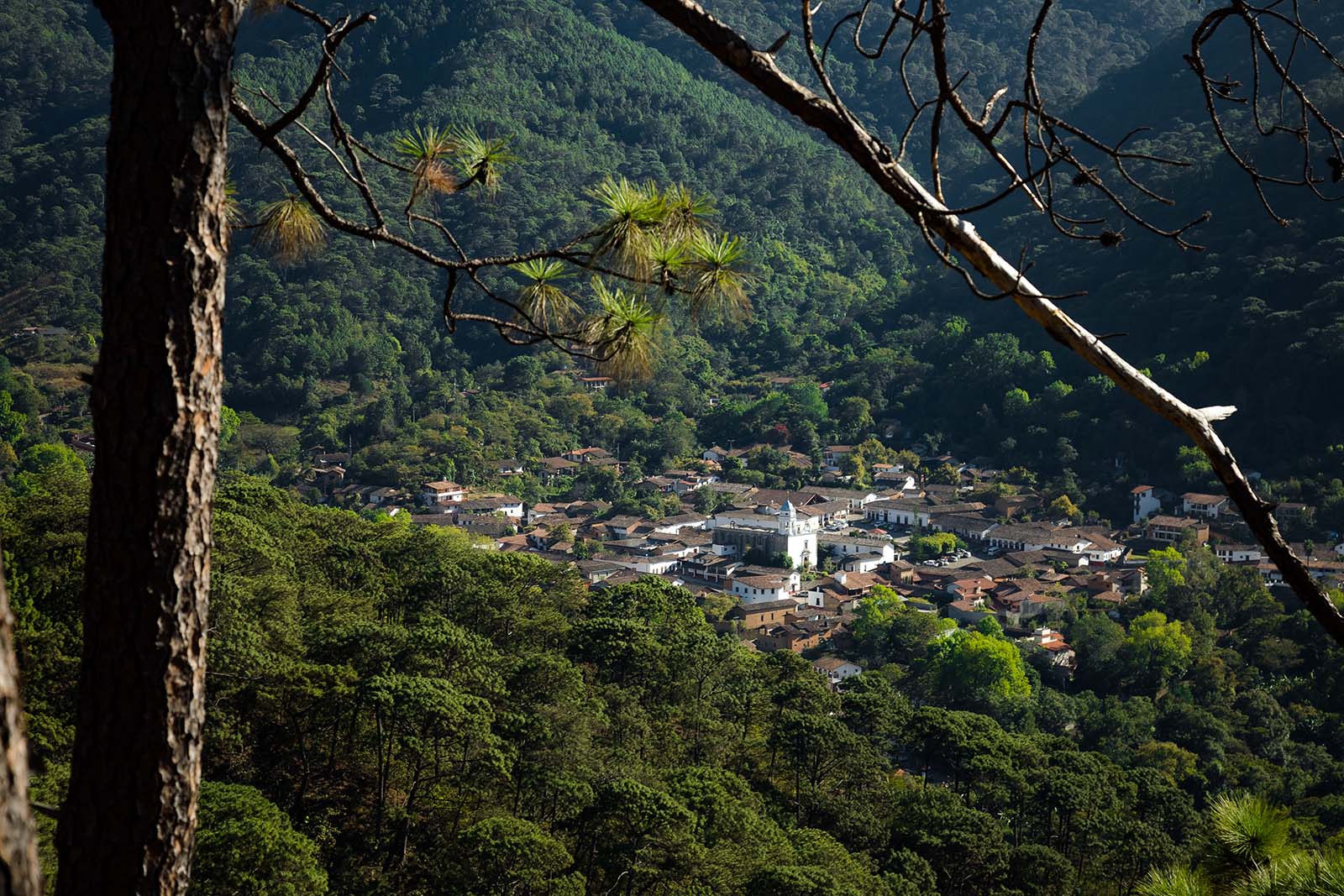
Town of San Sebastián del Oeste, Jalisco, México © Shutterstock
Our most important Mexico travel health tip: if you’re headed to Mexico City or any other high-altitude area, take it slow for the first couple of days. The elevation (7,350 feet) can hit hard. Stay hydrated, rest when needed, and wear sunscreen - especially at the beach, where the reflection from the water can sneak up on you.
Pharmacies are easy to find, and many medications that need prescriptions elsewhere are available over the counter here. That said, antibiotics now require a prescription. Some chains like Farmacia Guadalajara or Farmacia del Ahorro even have in-house doctors who’ll see you for around 50-80 pesos.
If you need more serious care, private hospitals in tourist areas usually have English-speaking staff. They’re reliable, but can be pricey without insurance. In bigger cities, hospitals like Hospital Angeles or ABC (American British Cowdray) are well-regarded.
Mexico travel tip: See our Mexico health travel tips for more about how to navigate the medical system in Mexico.
You won’t need any shots just to enter Mexico, unless you’re coming from a country where yellow fever is a risk.
Still, these are good to have:
A very important Mexico travel tip is to not drink the tap water and avoid ice unless you know it was made with purified water - restaurant ice is usually fine (those cylindrical cubes with holes are a good sign). Use bottled water for drinking and brushing your teeth.
Street food is generally safe if it’s busy and the food is hot and cooked fresh. Pre-cut fruit is a gamble unless you know it was washed in clean water. Same goes for raw veggies and salads.
To help your stomach adjust, start with cooked foods and places that look clean and busy. It’s also a good idea to pack probiotics, anti-diarrheal meds, and rehydration salts just in case.
Mexico travel tip: A purifying water bottle is definitely a good investment.

Meet the Tzotzil Maya: Mexico's most intriguing community: Wallets and Bags, Chiapas, Mexico.
Respecting local rhythms goes a long way. Lunch is often the biggest meal of the day, and it happens around 2-4pm. Many businesses close during that time, especially in smaller towns. Trying to get errands done at 2:30? You might be met with a locked door and a “regreso pronto” sign.
Don’t assume everyone speaks English. In tourist zones, sure - but in taxis, markets, or small towns, it’s hit or miss. Learning a few basics (por favor, gracias, una cerveza por favor, la cuenta) really helps.
In restaurants, tipping 10-15% is standard. It’s also common to tip gas station attendants (who pump your gas), baggers at grocery stores (often older adults or teens), and people who help you with your luggage. Keep a few small coins or 20-peso notes on hand - you’ll use them more than you think.
And try to avoid loud complaints. Even if something’s frustrating - slow service, missed reservations, unclear instructions - it’s best not to raise your voice or cause a scene. It’s not that people don’t care, it’s that confrontation is usually avoided. Staying calm and polite tends to get better results.

Agave field in Jalisco, Mexico © csp/Shutterstock
Kids are welcome just about everywhere in Mexico. You’ll see families dining out late into the evening and kids playing in public spaces. Many hotels let children stay for free, and larger resorts - especially in Cancun or Riviera Maya - have kids’ clubs, splash zones, and buffets with plenty of options. See our guide to how many days you need in Cancún.
Mexico City might not seem like an obvious pick, but it’s surprisingly family-friendly. You’ll find playgrounds in almost every neighborhood, wide sidewalks in places like Condesa and Polanco, and cultural spaces like Papalote Museo del Niño (an interactive children’s museum) and Chapultepec Park, which has paddle boats, a castle, and even a zoo. See our guide to how many days you need in Mexico City.
For more hands-on experiences, look for community-run craft workshops, chocolate tastings, or farm visits - Oaxaca, Chiapas, and parts of the Yucatán all have low-key options where kids can actually get involved.
Mexico travel tip: Mexican meal times run late. Restaurants may not even open for dinner until 7 or 8pm. If your kids eat earlier, grab snacks from a panadería (bakery) or corner shop to tide them over. And don’t count on high chairs or changing tables being available everywhere.
There’s no shortage of family-friendly places to stay. You’ll find everything from all-inclusives with on-site childcare to Airbnbs with kitchens where you can prep familiar meals. Some hotels have family suites or connecting rooms, and most will give you a crib or high chair if you ask.
If you’re traveling between cities, first-class bus companies like ADO and ETN are comfortable and have AC, movies, and bathrooms onboard. But if the trip is long, flying may be easier for kids who get restless. Renting a car gives you flexibility, but car seats can be tricky - they’re not always available, so it’s better to bring your own.
In cities, Uber is usually the safer bet over street taxis, and you can often request a larger car if needed. At beach destinations, it helps to stay somewhere right on the beach or with a shallow pool so you’re not hauling gear too far.
Pack more sunscreen than you think you’ll need - the sun here is strong, and familiar brands are pricey. If your kid has a favorite snack or specific baby formula, bring those too. Local options can be very different. Swim diapers are hard to find outside big tourist areas, so stock up ahead of time if you need them.
It’s a good idea to bring a basic first-aid kit, including a thermometer and children’s versions of common meds.
Mexico travel tip: If your kid naps, a portable white noise machine can help drown out afternoon noise in busy hotels.

Tepoztlan magical town in Morelos, Mexico © Shutterstock
Mexico’s a big country, and each region feels different. You’ve got ruins, beaches, mountain towns, and huge cities - sometimes all within a few hours of each other. Here’s a very condensed look at some of the best places to visit in Mexico.
Cities in Mexico are busy, colorful, and often walkable. You’ll see colonial buildings next to street murals, and corner cafés next to open-air markets. Each place has its own feel

Basilica our Lady Guadalupe, Mexico City © Shutterstock
Mexico’s beaches are completely different depending on where you go. The Caribbean side has calm water and white sand, while the Pacific coast is more rugged, with bigger waves and fewer crowds in some places.

Cenote Casa Tortuga near Tulum and Playa Del Carmen © Shutterstock
The landscape shifts a lot as you move through Mexico - from dry desert in the north to jungle in the south and mountains all through the middle. You’ve got places to hike, swim, climb, and float, depending on where you are. Elevation makes a difference too - some areas sit at over 7,000 feet (2,100 meters).

Evening sun on Copper Canyon from above rim at Urique, Chihuahua, Mexico © William Hammer/Shutterstock
Mexico’s history is layered - indigenous civilizations, colonial rule, and religion have all shaped what you see today. You’ll come across ancient ruins, churches built over old temples, and festivals that mix Catholic and Indigenous traditions.
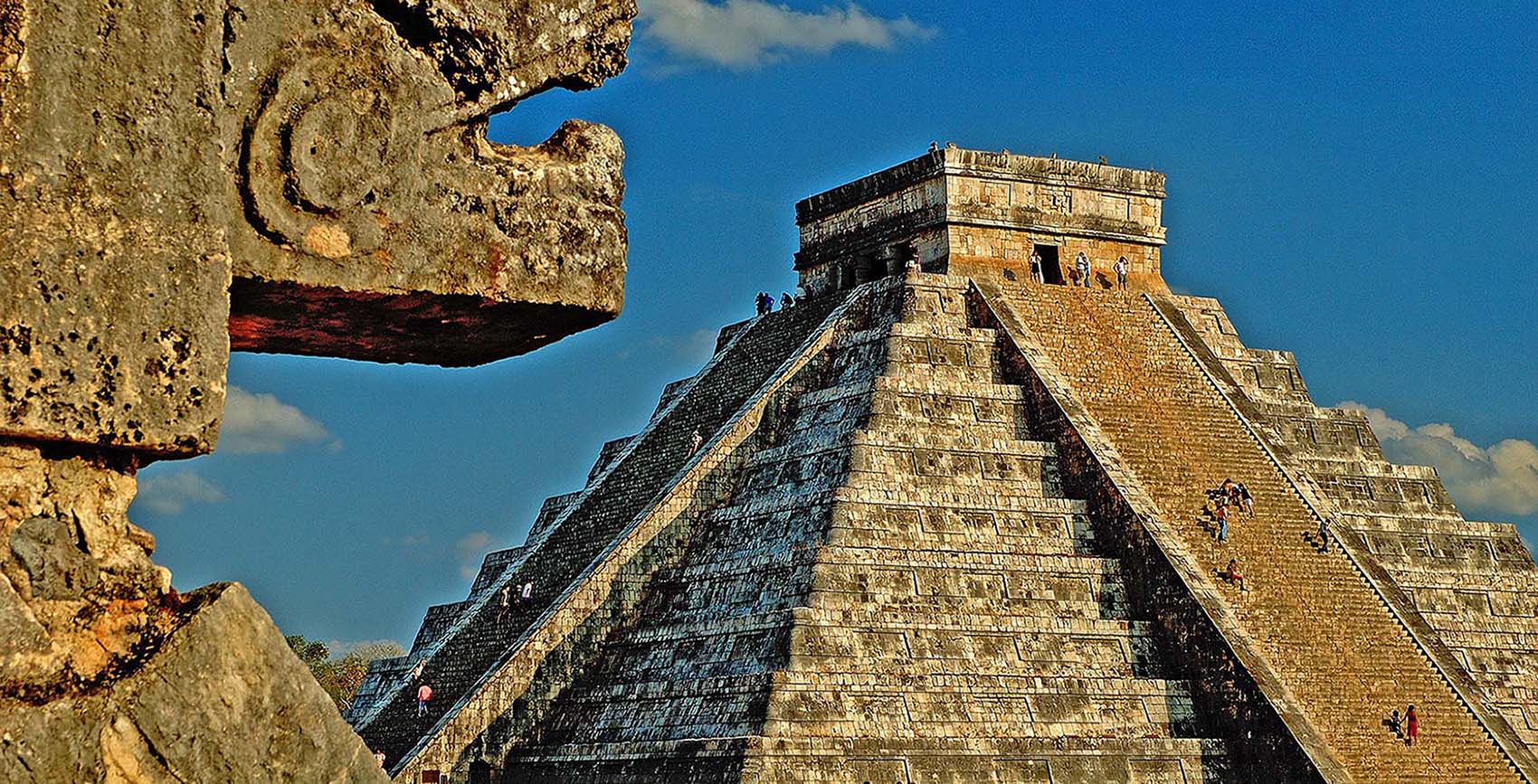
Kukulkan’s shadow, Chichen Itza, Yucatan Mexico © Shutterstock
If it’s your first time, a 10 to 14 days Mexico itinerary is a good starting point. That gives you enough time to adjust, see two different parts of the country, and not feel rushed. You might start with a few days in Mexico City-seeing a few neighborhoods, museums, and trying food (see our guide to and then fly out to a beach or a colonial city like Oaxaca. It’s worth remembering that things in Mexico tend to run on a slower pace. Meals are long, and plans shift.
A week-long Mexico itinerary gives you enough time to explore one region well. Maybe Mexico City with a side trip to Puebla or Guanajuato. Less than a week usually means a lot of time on the road and not enough soaking things in.
Start by jotting down a few things you’re really excited to see or do. You don’t need a detailed plan yet - this is just a way to figure out what’s important to you and how far apart things are. Begin with a couple of must-dos, then you can fill in the rest once you get a better sense of how much time you have and how the logistics work out.
Mexico isn’t one-size-fits-all. You’ll have to choose between Caribbean beaches, Pacific surf towns, colonial cities, archaeological ruins, mountains - and more. It helps to decide early what kind of experience you’d like to focus on. Don’t try to squeeze in too much - distances can be long, and Mexico is better when you slow down and take your time.

Isla Mujeres – a quiet option near to Cancun © Aleksandar Todorovic / Shutterstock
Mexico is bigger than most people expect, and getting around can eat into your itinerary. In some cases, it makes sense to fly between regions.
Domestic airlines like Volaris, Viva Aerobus, and Aeromexico often have flights between $50-$150 if you book early, but leave room in your schedule for airport transfers.
First-class buses like ADO and ETN are a solid option too - comfortable, with reclining seats and onboard bathrooms. Overnight buses between major cities can save you both time and money. In areas like the Yucatán or central Mexico, driving or taking a bus can work well thanks to good road connections. But for places like the Pacific coast, you’ll probably need to fly unless you’ve got a lot of time.
You can, and in some areas it’s a great way to get around. Just know that it’s not always straightforward. City traffic can be intense, road signs aren’t always clear, and police stops - real or questionable - are common in touristy places. Car rentals typically run $25-$50 a day, but that doesn’t include mandatory insurance, which can double the cost.
Toll roads (cuotas) are fast and well-maintained but pricey. Free roads (libres) go through towns and take a lot longer. If you’re going to drive, it makes the most sense in regions like the Yucatán or Baja California where distances are reasonable and roads are in better shape.
Start with your international flight - Mexico City, Cancun, and Guadalajara are usually the easiest and cheapest to fly into, especially if you’re coming from the U.S. Booking 2-3 months in advance tends to give you the best deals.
Try to avoid traveling around Mexican holidays when prices jump. Domestic flights are affordable, but expect to pay extra for bags and other basics. Mid-week flights are often cheaper than weekend ones.
When it comes to Mexico accommodation, you’ll find everything from $10 hostel dorms to luxury resorts that go well into the thousands.
Mexico travel tip: For peak travel times - December to April - or big events like Day of the Dead or Guelaguetza, it’s smart to book at least 3-6 months ahead.

Fresh tasty cocoa fruit © Shutterstock
Slow travel fits easily into daily life in Mexico. Things here tend to move at their own pace. If you’re staying a while, it’s easy to settle in. Many long-term travelers base themselves in places like San Miguel de Allende, Playa del Carmen, or Oaxaca, often taking Spanish classes and finding short-term rentals through local Facebook groups.
If you’re looking for something more low-key, towns like Mazunte, Sayulita, or Bacalar draw in slow travelers with laid-back energy, affordable rentals, and a strong sense of community.
Some travelers house-sit through TrustedHousesitters, which often means taking care of pets while living in someone’s home. Others volunteer through WWOOF Mexico on organic farms, helping out a few hours a day in exchange for meals and a place to stay.
Supporting local communities goes a long way. Buy your produce and souvenirs at markets instead of big chains. Choose family-run restaurants and work with local Mexico travel experts when booking tours.
If you're visiting natural areas like Mexico's cenotes or going whale watching, look for eco-certified guides. Skip any attractions that use animals for entertainment - things like dolphin shows or photo ops with sedated animals are harmful, even if they seem common.
Plastic waste is a problem in many parts of Mexico, so bring a reusable water bottle with a filter.
When choosing places to stay, pick locally-owned accommodations over international chains, and tip well - tourism supports a lot of families. Most importantly, try to learn about the country beyond the usual headlines. Mexico is complex, beautiful, and sometimes misunderstood. Being open, respectful, and curious makes for better travel - for everyone involved.

Waterfalls in tropical forest - Villa Luz, Tapijulapa, Tabasco, Mexico © Shutterstock
If you're looking to do more than just pass through, Mexico makes it easy to connect with people and traditions - especially in smaller towns and villages where cultural practices are still part of daily life (which are often some of the Mexico's best vacation spots).
In the villages outside Oaxaca City, places like Teotitlán del Valle are known for their Zapotec weaving traditions. Some family-run workshops - like those of the Vida Nueva cooperative or Isaac Vásquez García’s studio - welcome visitors for short dyeing or weaving sessions. You’ll learn about natural pigments from cochineal and indigo, and how patterns relate to Zapotec identity.
In Michoacán, the Purépecha communities around Lake Pátzcuaro - especially Tzintzuntzan, Janitzio, and Santa Fe de la Laguna - prepare for Day of the Dead with days of altar-building, flower arranging, and cooking. Some local tour guides (often based in Pátzcuaro town) work with families who are open to sharing parts of the tradition with respectful visitors.
Meet the Tzotzil Maya: Mexico's most intriguing community: Wallets and Bags, Chiapas, Mexico.
In Chiapas, the Na Bolom Cultural Center in San Cristóbal de las Casas collaborates with nearby Tzotzil and Tzeltal communities to organize cultural experiences that include talks or workshops on plant medicine, temazcal (sweat lodge) ceremonies, or local food traditions. You’ll get background on the community before visiting, and Na Bolom can arrange respectful, small-scale visits.
In the Yucatán, Maya-led cooperatives in towns like Yokdzonot (about 12 miles / 20 kilometers from Chichén Itzá) run cooking workshops that include tortilla-making, pit-roasting meat for cochinita pibil, and preparing sauces from local herbs. The Yokdzonot cenote cooperative, run by women from the village, is a good place to start - they sometimes include meals or cooking experiences alongside cenote visits.

Puerto Vallarta Pier © Shutterstock
Cash is still king in most of Mexico, especially once you're outside major cities or tourist-heavy areas. It's a good idea to carry pesos in small denominations since a lot of vendors won’t be able to break large bills.
For safety, use ATMs that are attached to banks and try to go during the day while the bank is open. You can expect a fee of about 30-80 pesos per withdrawal. Banks like Santander and HSBC usually charge less than others.
Mexico travel tip: Some restaurants and shops will add a 3-5% fee if you pay with a credit card, and many smaller places - including street stalls, markets, and local buses - are cash only. If you end up with big bills (like 500 or 1000 pesos), head to a chain like OXXO to get change.
A few scams come up regularly, especially around airports and touristy neighborhoods.
At airports, taxi drivers may claim their meters are broken and quote you inflated prices. Instead, look for the official taxi booths inside the terminal where you pay a fixed rate upfront - or use Uber, though you'll usually need to meet them at the departures level.
You might also get invited to a free tour or lunch in exchange for attending a "presentation" - these are almost always timeshare pitches that drag on for hours. On the beach or street, just say no.
At ATMs, card skimming is a known issue. Avoid freestanding machines on the street. Use bank ATMs when possible, check for anything loose around the card reader, and cover your hand when you enter your PIN.
In nightlife areas, there are bar scams where someone friendly invites you for drinks, then you’re hit with a massive bill and aggressive staff. Don’t follow strangers to second locations, no matter how charming they seem.

Al Pastor tacos
Food in Mexico changes a lot from region to region, and local ingredients really shape what’s on the menu. You’ll see corn, beans, and chiles just about everywhere, but how they’re used is what makes things interesting.

Beach on Playa del Carmen, Tulum, Mexico © Shutterstock
Staying connected in Mexico is pretty straightforward. Telcel has the widest coverage, including in more rural areas where other carriers can drop off. You can grab a SIM card at any OXXO convenience store or at a Telcel shop. It usually costs around 150 pesos and comes with some credit to get you started.
If you're coming from the U.S., check your plan first. AT&T includes free roaming in Mexico, and T-Mobile works too, though the data can be slower. eSIMs like Airalo are convenient and work well in cities, but don’t count on them in remote areas.
WiFi is easy to find in most cafés, restaurants, and hotels, but the speed and reliability can vary. It's a good idea to download offline maps from Google Maps or Maps.me before heading out, especially if you're going to rural or nature-heavy places. Also, download WhatsApp - it's how most people in Mexico communicate.
You’ll definitely get by in touristy areas with English, but learning some basic Spanish goes a long way. It’s not just practical - it shows respect and often makes interactions more enjoyable.
Google Translate can be a lifesaver, so download it for offline use, but try Spanish first. People generally appreciate the effort and are happy to help.
Mexico travel tip: If you’ve got time, consider taking a short Spanish course when you arrive. Cities like Oaxaca, Guanajuato, and San Miguel de Allende have affordable language schools, some with homestay options for more immersion.
Mexico’s climate varies a lot, so it’s smart to pack for all kinds of weather. Even in summer, it can get chilly in the highlands at night or on over-air-conditioned buses. Bring layers - light clothes for the heat, a jacket for cool evenings, and something waterproof in case of rain.
Comfortable walking shoes are key for exploring cities with uneven or cobblestone streets. Sandals are handy for the beach, and a dry bag comes in useful for cenote trips or boat rides. Reef-safe sunscreen and insect repellent are a good idea, especially since they tend to cost more if you buy them locally.
If you’re planning to visit churches or rural communities, pack some modest clothing. A small portable fan can also be a lifesaver in places without air conditioning.
From travel safety to visa requirements, discover the best tips for visiting Mexico


