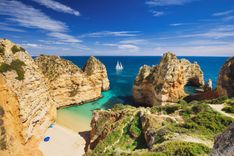
Travel advice for Portugal
From travel safety to visa requirements, discover the best tips for visiting Portugal
Travel to Portugal and you’ll quickly realize it’s bigger than it looks – not in size, but in everything else. You’ll juggle centuries-old cities, wild surf beaches, and enough vinho verde to forget what day it is.
Lisbon’s where most Portugal trips start – it’s hilly, gritty, and full of energy. But don’t just hang around the capital. Go north for port wine and tiled churches in Porto, east for medieval towns and cork forests, or all the way south if you’re chasing sun, cliffs, and grilled sardines by the sea.
Buses are cheap, trains are scenic, and English is widely spoken – but that doesn’t mean you won’t need to think fast when your Uber can’t find your alleyway apartment.
And Portuguese food? It’s not all pastel de nata. Think slow-cooked stews, spicy chicken, and seafood pulled straight from the Atlantic.
So if you're planning to travel to Portugal, skip the tourist traps, eat like a local, and don’t assume dinner starts at 7 pm – it doesn’t. These Portugal travel tips will keep you two steps ahead.
The best time to visit Portugal depends on what you’re after. This is a country built for long lunches, late sunsets, and last-minute detours – and the seasons shape it all. From beach weather in October to fog rolling through Porto in March, Portugal doesn’t play by northern rules. Here’s what to know.
What to pack: Portugal is a layering country. Even in summer, sea breezes and old stone buildings can chill you fast. Bring walking shoes – those tiled sidewalks are no joke – and something smarter for dinner. A compact umbrella doesn’t hurt either.
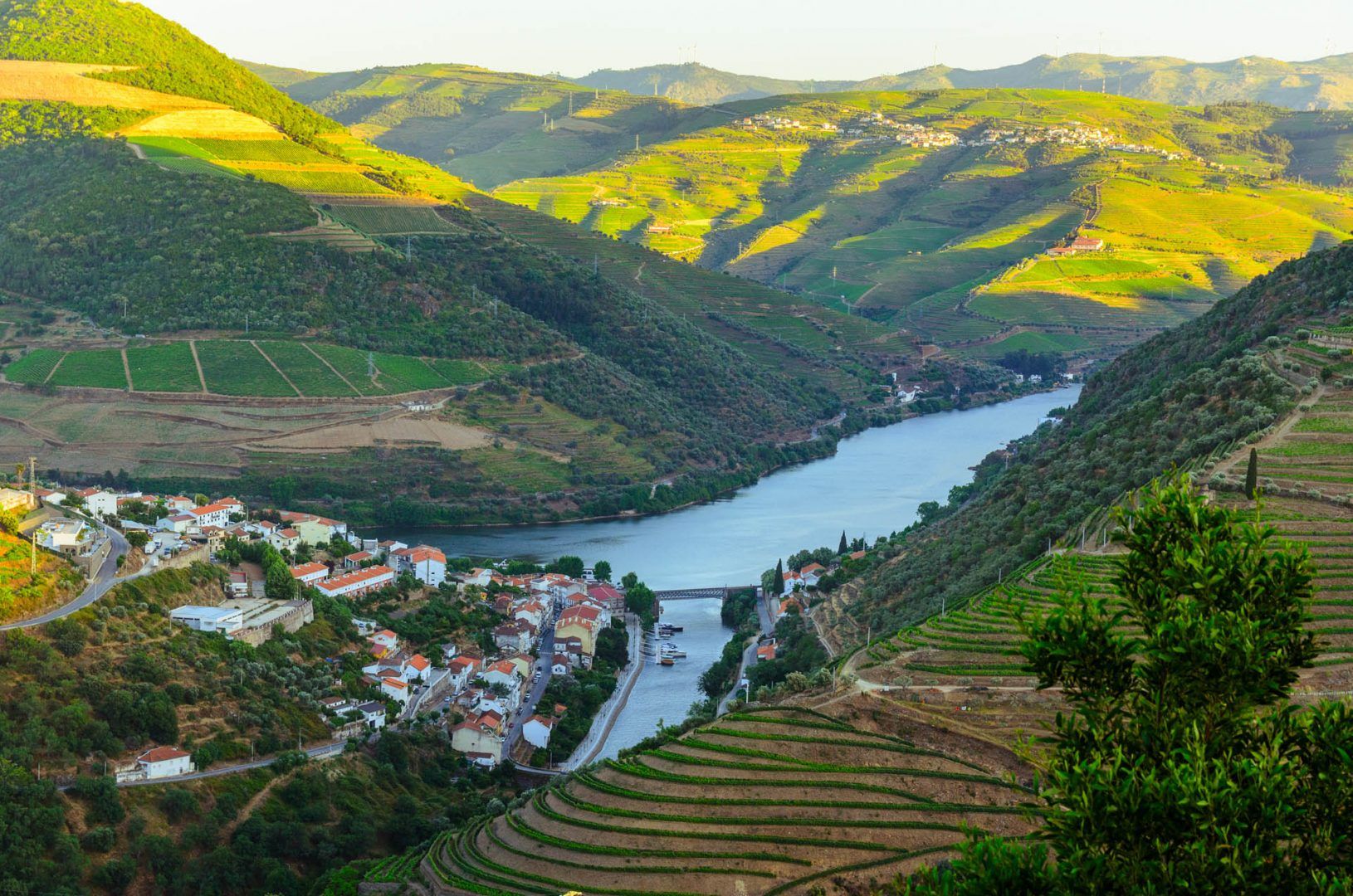
Douro valley © Shutterstock
Portugal can be a good value, but it’s not the bargain it used to be. Prices have climbed, especially in hotspots like Lisbon, Porto, and the Algarve. Still, compared to most of Western Europe, it’s a solid deal if you know where to spend and where to save.
Some of the best stuff is cheap – public transport, wine, pastries, and those long lunches in local tascas where you get soup, a main, and wine for under €10. Museums and sights are affordable too, with most tickets around €5-10. But head to the touristy center, and a coffee can double in price just by crossing the street.
On a tight budget (€40-60 per day), you’ll survive just fine. Stay in hostels or budget guesthouses, eat at bakeries or small local spots, and use buses, metros, or trains. Cities have budget passes – use them.
Mid-range (€80–120 per day) gets you charming B&Bs, great meals, maybe a guided tour or two, and the freedom to rent a car and explore further, like hilltop towns in Alentejo or wild stretches of the Vicentine Coast.
Splurging? Portugal does luxe well. Think converted palaces, wine estates with infinity pools, and private boats cruising down the Douro. You’ll pay for it – but not as much as in France or Italy. And it’s often worth it.
Portugal is consistently ranked as one of the safest countries in Europe, and for good reason. Crime rates are low, locals are welcoming, and solo travel, including for women, is generally smooth. You’ll feel it in the rhythm of daily life – cafés left open, kids playing late, and people who stop to help if you look lost.
Petty theft is your main concern, mostly in urban areas like Lisbon, Porto, and tourist-heavy parts of the Algarve. Pickpockets work the usual spots – trams, metro stations, and outside major sights like the Jerónimos Monastery or Livraria Lello. They’re fast, discreet, and usually after your phone or wallet.
Rural Portugal? It’s a different world. Quiet villages, slow pace, and a strong sense of community. Crime is practically nonexistent, and locals tend to look out for visitors, especially in less-touristy regions like the Alentejo or the interior north.
To stay safe, use these Portugal travel tips:

Porto Ribeira, traditional facades, old multi-colored houses with red roof tiles on the embankment in the city of Porto, Portugal
For most travelers, no. Portugal is part of the Schengen Zone, so entry is simple if you’re coming from the EU, UK, US, Canada, Australia, or many other countries. But don’t get caught out – here’s what to know.
Citizens from visa-exempt countries can enter for up to 90 days in any 180-day period for tourism. You’ll need a passport valid for at least three months beyond your intended departure date. There’s usually no paperwork – just a stamp at the airport.
That’s where it gets tricky. You can’t extend your tourist stay beyond the 90 days unless you apply for a national visa – and that’s a whole process.
Some travelers try squeezing in a Spain trip during their time in Portugal, but Schengen rules still apply, and overstaying can lead to fines or bans. Don’t risk it.
If you're planning to work, study, or volunteer, you’ll need the correct visa, and it has to be arranged before you arrive.
Staying healthy in Portugal is pretty straightforward – safe water, good food hygiene, and reliable healthcare across the country. You’re not battling tropical diseases or food poisoning every other day here. Still, don’t underestimate the Portuguese elements: strong sun, steep hills, and more pastéis de nata than your body knows what to do with. The right prep – and a bit of common sense – goes a long way.
Portugal’s healthcare system is solid, especially in Lisbon, Porto, and other major cities. Pharmacies are everywhere (look for the glowing green cross), and many are open late or have 24-hour service on rotation. Pharmacists are helpful, and most speak enough English to sort out basic issues.
For emergencies, head to a public hospital or private clinic – both are well equipped, but you’ll be seen faster in a private one. Travel insurance is a smart idea – especially if you want to avoid long waits or need specialist care.
What to bring:
You don’t need any special vaccinations to visit Portugal. Just make sure your routine shots – tetanus, measles, hepatitis A – are up to date.
Tap water is safe to drink everywhere – straight from the faucet. Some older pipes can affect taste in rural areas, but it’s not unsafe. Bottled water is widely available if you prefer.
Food is one of Portugal’s best parts – and it’s usually very safe. From seafood stews in coastal towns to pork sandwiches in inland cafés, you’re unlikely to get sick unless you really push your luck with street snacks left out in the sun.
If you’ve got a sensitive stomach, go easy on rich dishes at first – and don’t underestimate the power of bacalhau (salted cod) to throw off your digestion if you’re not used to it.

Lighthouse in Foz do Douro © AdobeStock
Portugal is easygoing on the surface, but there’s an undercurrent of formality, quiet pride, and unspoken social rules. You don’t need to master the language or memorize traditions, but a bit of cultural awareness helps you avoid awkward moments – and makes locals far more likely to warm to you. These Portugal travel tips will keep things smooth, respectful, and genuinely local.
Portuguese people tend to dress simply, but well. No need for designer labels, but do avoid sloppy looks. Flip-flops, gym gear, or swimwear outside the beach will make you stand out for the wrong reasons, especially in Lisbon or Porto.
In churches, monasteries, and smaller towns, modest dress still matters – cover shoulders, avoid short shorts, and leave the beachwear for, well, the beach.
Even in surf towns or rural villages, people take quiet pride in looking presentable – think clean, coordinated, and calm, not loud or showy.
Portugal is friendly, but more reserved than some of its Mediterranean neighbors. A handshake is the standard greeting between strangers. Friends or family usually exchange two-cheek kisses, starting on the right. Don’t worry if you mess this up; it’s forgivable.
Always greet with a polite “Bom dia” (good morning), “Boa tarde” (good afternoon), or “Boa noite” (good evening). Not saying anything when entering a shop or café is seen as rude – a quick hello earns you better service.
Use “Senhor” or “Senhora” with last names in formal settings, especially with older people or professionals. Titles matter here.
Portugal values personal space and calm. People speak softly in public, queues are respected, and loud or attention-grabbing behavior isn’t appreciated, especially in smaller towns or rural areas.
Drunken antics, shouting, or being too loud on public transport will get you disapproving looks. Save the party vibes for festivals or private gatherings.
Public affection is fine – handholding, light kisses – but nothing over the top.
Meals in Portugal are for connection, not rushing. Even a quick café snack involves sitting down, not walking around with coffee in hand. Breakfast is light, lunch is important, and dinner rarely starts before 8 pm.
Portugal is traditionally Catholic, though not particularly pushy about it. You’ll see churches everywhere – and they’re still part of daily life for many people. Dress respectfully inside, speak quietly, and avoid photography unless signs say it’s allowed.
Many festivals have religious roots, like Festa de São João or Semana Santa processions. These are deeply meaningful to locals. Join in if invited, but be respectful and follow the lead of those around you.
Shrines and roadside crosses are common in the countryside – treat them with quiet respect, even if you don’t understand the meaning.
Tipping in Portugal is subtle and appreciated, but not expected.

Yellow tram in Lisbon, Portugal © Shutterstock
Absolutely – if your idea of a family trip includes castles, cable cars, trams, beaches, and pastries for breakfast. Portugal with kids is low-stress, welcoming, and packed with variety – you can be castle-hopping one day, beachcombing the next, and riding a vintage tram through Lisbon in between. It’s not theme-park central, but it’s fun, safe, and full of little moments that kids love.
Getting around Portugal is mostly easy and family-friendly. Trains are clean, affordable, and kids under 4 usually travel free (discounts apply for older kids too). Trams and buses work well in cities, though they can get crowded during rush hours. If you’re venturing beyond Lisbon or Porto, renting a car gives you more flexibility, especially for exploring rural beaches, castles, or hilltop villages that public transport doesn’t reach.
Strollers work in most places, but the cobbled streets and steep hills in Lisbon and Porto can be a challenge. A baby carrier is a smart backup, especially for older towns, scenic viewpoints, and places where wheels just don’t cut it.
Portugal accommodations are diverse and often well set up for families. You’ll find everything from family-sized Airbnbs and serviced city apartments to relaxed beach resorts and countryside quintas. Many hotels and guesthouses offer extras like cribs, high chairs, or adjoining rooms – just be sure to ask ahead. If you’re traveling with kids who need space to run or a kitchen for picky meals, having your own place can make a big difference.
Portuguese food is a win for families – it’s fresh, simple, and built around familiar staples like grilled chicken, rice, bread, and fries. Kids love pastéis de nata, bifanas (pork sandwiches), and arroz de marisco if they’re feeling brave.
There are no formal kids’ menus at most places, but portions are generous, and staff are happy to split meals or adapt dishes. Portugal restaurants are typically casual and welcoming to families, even late at night, and many cafés double as low-key spots to eat with kids in tow.
Supermarkets are well stocked – you’ll find diapers, formula, baby food, and pharmacy sections in most big chains. In rural areas, plan if your kids need something specific.
High chairs are common in mid-range and higher-end Portugal restaurants – less so in tiny tascas or beach bars.

Vineyards in Douro Valley , Portugal @ Shutterstock
Portugal isn’t just beaches and castles – it’s surf towns, wine valleys, volcanic islands, and tiled cities full of rhythm and history. From the granite hills of the north to the windswept coast of the south, these are the best places to visit in Portugal – and why they matter.

Alentejo, Portugal @ Shutterstock
Portugal may look small on a map, but it packs a lot into a tight space. Coastlines, cities, islands, mountains, and wine country all compete for your time. And while you can hit the highlights in a week, the country rewards anyone who slows down. How long you stay in Portugal will shape the experience, and rushing through it misses the point.
Ask yourself:

Fado performers, Algarve, Portugal © Shutterstock
Planning a trip to Portugal isn’t about racing from north to south – it’s about picking the right regions, leaving room for detours, and building in time to slow down. The best Portugal itinerary doesn’t cram – it flows. Think café tables, cliff walks, and long lunches between castle visits. Less is more here.
Portugal’s compact size makes it easy to move around, but don’t underestimate how much there is to see. Here’s how your timing shapes the trip:
Under a week – Focus on Lisbon + one region. Lisbon and Sintra pair perfectly, or combine Porto with the Douro Valley. If it’s summer, base yourself in the Algarve for beaches and day trips.
Portugal’s not just beaches and wine – pick the version of it that suits you.
Love cities and culture?
Chasing landscapes?
Into food and wine?
Want to chill?
Portugal’s transport is easy – but it pays to be strategic. Here’s what to know:

Monsaraz castle and village and hot air balloons, Alentejo - Portugal © Shutterstock
Portugal was made for slow travel – short distances, long meals, and places where time slips by unnoticed. Skip the checklist and settle in.
In Lisbon, base yourself in one of the best areas to stay – Alfama for history and fado, Graça for local cafés and views, or Campo de Ourique for a quieter, residential feel. Stay a while. Ride trams without a plan. Sit at a kiosk with a coffee or vinho verde and watch the day unfold.
The Alentejo is all about pace. Base yourself in Évora or a hill town like Monsaraz. Drive slow roads lined with olive trees. Lunch lasts hours, and that’s the point.
Porto rewards wandering. Cross the river to Gaia, skip the big-name cellars, and talk to small producers. Find a park, watch the boats, and forget your schedule.
The Douro Valley isn’t a day trip – stay in a vineyard, wake to river fog, and sip slowly.
The Vicentine Coast is rugged and low-key. Stay in towns like Odeceixe or Zambujeira do Mar. Hike, swim, eat grilled fish – repeat.
Tips for slowing down
Portugal isn’t in a rush, and you don’t need to be either.
Portugal keeps it simple – but there are still a few things to know if you want to avoid fees, surprises, or awkward “cash only” moments.
The currency is the euro (€), and most places – even small cafés – accept cards. Visa and Mastercard are the safest bets. That said, always carry some cash, especially in rural areas, local markets, or tiny tascas where card machines might mysteriously be “out of service.”
Always choose to be charged in euros, not your home currency, when using a foreign card. Dynamic currency conversion sounds helpful, but it’s a worse deal every time.
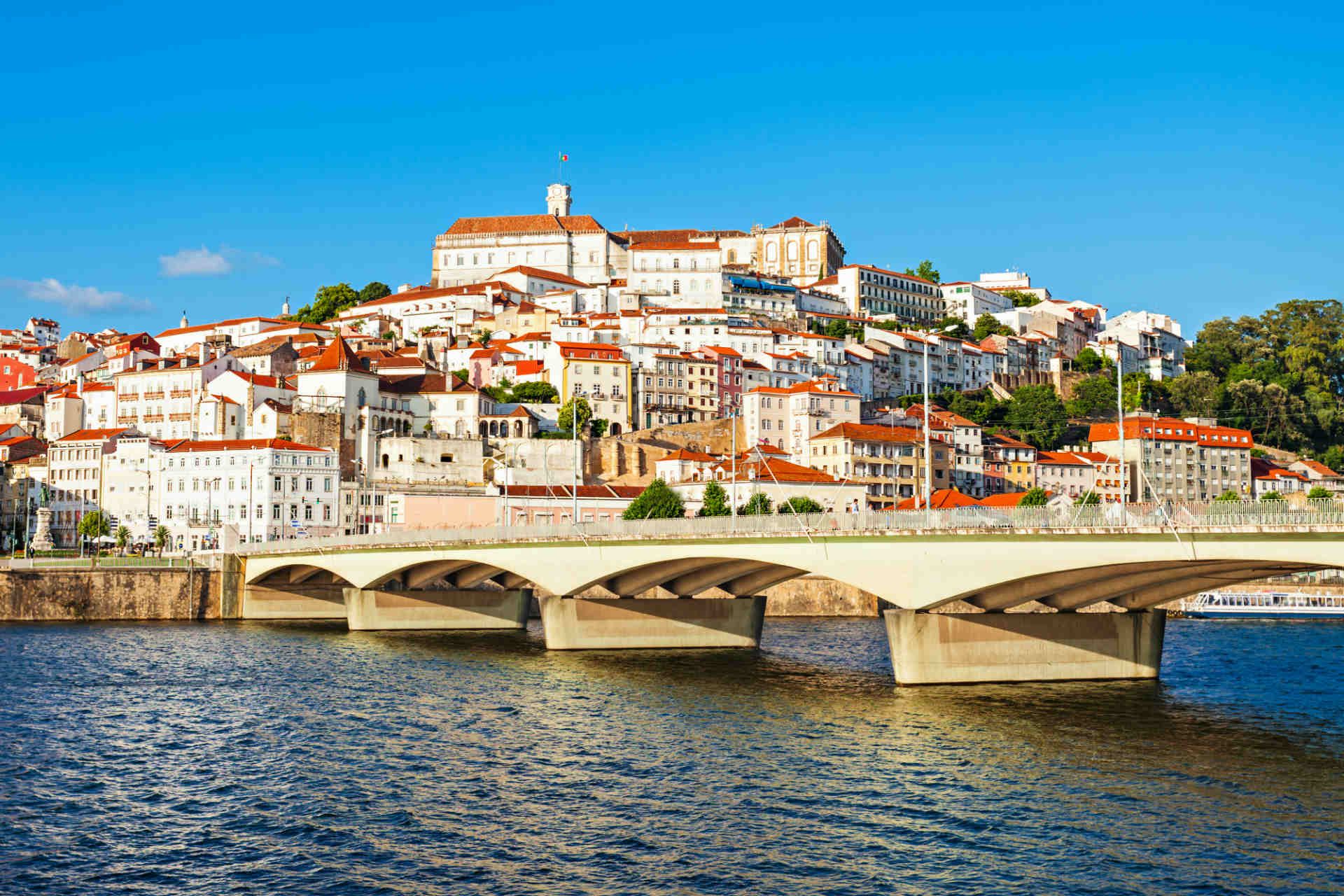
Coimbra, Portugal © saiko3p/hutterstock
Portugal is generally safe and relaxed, but like anywhere popular, it has its share of small-time scams and tourist tricks. Most are low-risk and easy to avoid if you know what to look out for.
Portugal is welcoming, but that doesn’t mean you should roll through like you own the place. Responsible travel here means showing respect for local communities, culture, and pace. These Portugal travel tips will help you get it right – and travel with respect.

Faro, Algarve, Portugal @ Shutterstock
Portugal gets hot, especially inland and in summer, but not all accommodations have AC. Older buildings in Lisbon, Porto, and the Alentejo often rely on thick walls and fans. If you're visiting from June to September, double-check that your stay has air conditioning or at least good airflow. Coastal breezes help, but city apartments can bake.
Outside of big cities, Sundays are slow and quiet. Many shops, restaurants, and even supermarkets close for the afternoon or the whole day. In smaller towns, don’t count on finding much open – plan ahead for meals, fuel, or essentials. It’s a great day for a hike, a long lunch, or doing absolutely nothing – just don’t expect retail therapy.
Portugal’s beaches are stunning, and the Atlantic is no joke. Lifeguarded beaches use a flag system you need to follow:
Even strong swimmers get caught off guard by riptides. Stick to flagged areas and don’t swim alone – especially on the west coast, where the surf can turn fast.
From travel safety to visa requirements, discover the best tips for visiting Portugal