Explore The Minho
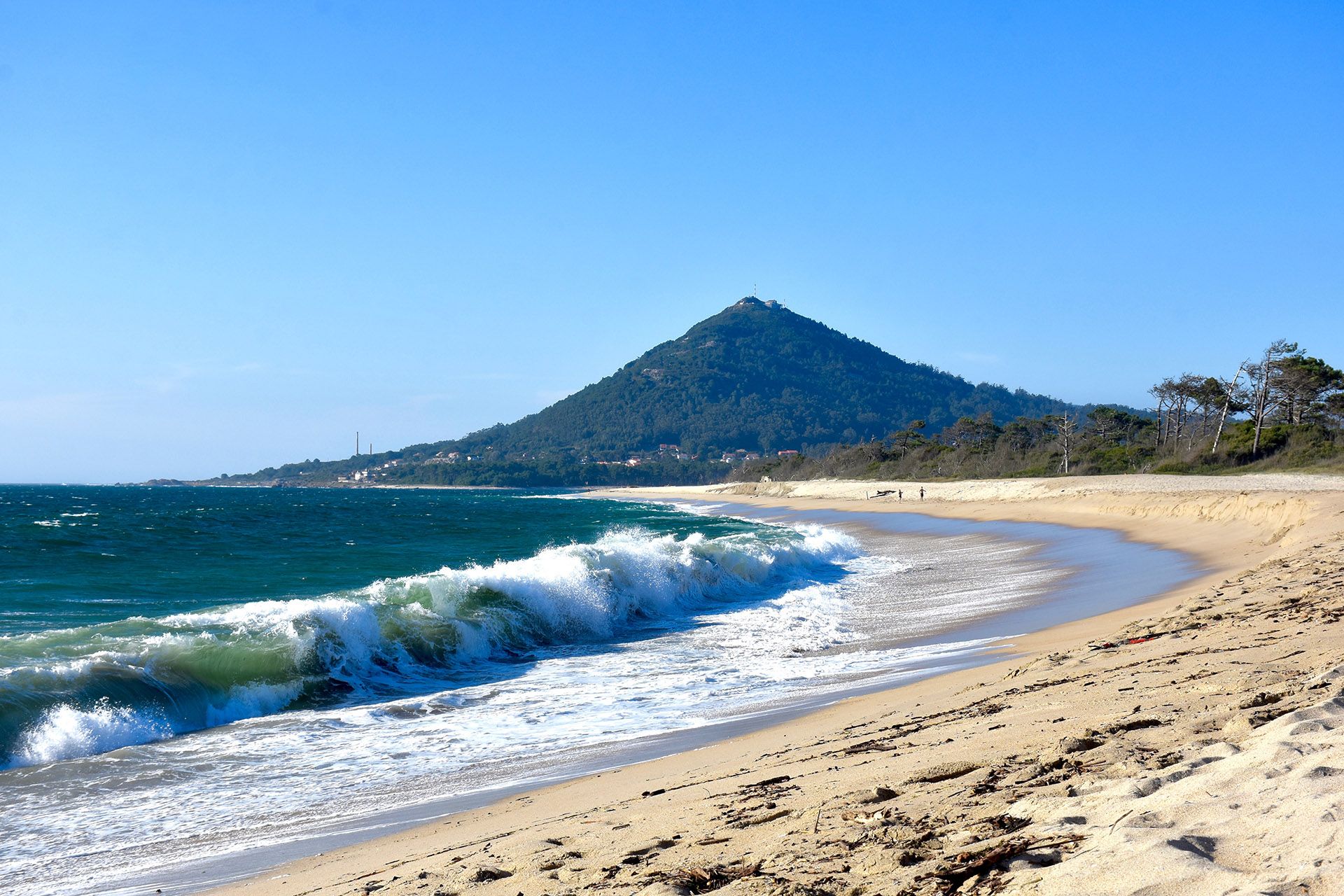
The Minho’s long sandy coastline is promoted as the Costa Verde (green coast), but the vegetation is green for a reason: it can be overcast and rainy even in summer and the Atlantic here is never too warm. Nevertheless, the Minho coast is almost one long beach, and the unreliable weather means that most of the sands are virtually deserted for much of the year.
The attractive resort of Viana do Castelo is the main event on the coast, with frequent daily buses from Porto to Viana, many via the small resorts in the southern section. Note that trains north from Porto run inland via Barcelos and do not reach the coast until Viana. North of Viana the train line follows the coast all the way to Caminha, offering easy access to a sequence of small beach resorts, with Vila Praia de Âncora being the only out-and-out resort on this stretch. Buses cover the same route.
Read More-
Beaches west of Barcelos
The 18km of the Costa Verde coast from Apúlia to Esposende has been designated the Área de Paisagem Protegida do Litoral de Esposende (Esposende Protected Coastal Area), which has restricted development along this stretch. The main resort of Esposende, 20km from Barcelos and slightly inland on the estuary of the Rio Cávado, has a lovely dune-backed beach a two-kilometre walk to the north, studded with seasonal beach restaurants. The town itself isn’t particularly handsome, though there is a small museum in a former theatre on Largo Dr Fonseca Lima, which contains displays of local ethnography, items from nearby antas (megalithic Bronze Age tombs), and ceramics and tools from the 2000-year-old castro of São Lourenço, a local Bronze Age settlement. The turismo on the riverfront has town maps.
Another 3km further north, the beach is rockier around the little fishing village of São Bartoloeu do Mar (aka Mar). There is refreshingly little to the place: just a lovely church, shop and café (with a few rooms to let).
-
Viana do Castelo
Viana do Castelo
VIANA DO CASTELO is the Costa Verde’s principal resort town and a highly appealing one it is, too, with a historic old centre, good restaurants and, across the river, the Praia do Cabedelo, one of the best beaches in the north. As a prosperous seafaring town, Viana produced some of the greatest colonists such as João Álvares Fagundes, who plotted a route to Newfoundland during the “discoveries” under Dom Manuel, and it was subsequently a departure point for fishing expeditions to Newfoundland’s Great Banks. In the eighteenth century, the town was the first centre for the shipment of port wine to England. The most interesting buildings are a throwback to these times where, unusually for the north, you’ll notice Manueline mouldings around the doors and windows of the local mansions.
Wherever you stand in Viana, the twentieth-century basilica atop Monte de Santa Luzia makes its presence felt. There’s a fun funicular railway to the top; otherwise it’s a pleasant 20-minute walk up the stairs which start just past the hospital – though take note of the inscription at the bottom which translates as “My God help me get up”. However, the effort is worth it because from the top are fantastic views of the coast and Rio Lima.
At the summit there’s a café, restaurant and plenty of picnic tables among the trees. While the basilica itself is of little interest, look for the small Núcleo Museológico at the side, showing a few religious icons. Here is the entrance (marked Zimbório) to a narrow winding staircase that climbs right through the building, past traffic lights laid on during summer to keep tourist hordes in check, and out on top of the dome itself. It’s very narrow, very steep and – at the top – pretty hair-raising when the wind picks up, but the magnificent views are worth every step.
-
Vila Praia de Âncora and around
VILA PRAIA DE ÂNCORA is a flourishing, built-up resort on the Costa Verde. Sitting on the basin of the River Âncora, there is a superb beach right alongside the train line, sheltered by the surrounding hills and drifting back into the river’s estuary. Here you can swim enjoyably even when the Atlantic breezes are blowing towels around the sands. For good measure there are two forts guarding the bay: the Fortim de Cão, south of the estuary, and the better-preserved Forte de Lagarteira, to the north by a bustling fishing harbour. Legend has it that the river and town owe their name to a punishment doled out to the adulterous Queen Urraca of Navarre, drowned in the river by her jealous husband King Ramiro II of Asturias, Galicia and Leon with an anchor (âncora) around her neck.
Four kilometres north of Vila Praia de Âncora, Moledo do Minho is the train traveller’s last chance to swim in the sea. In the same mould as Vila Praia, it too has a fort – this time half-ruined, guarding the river from a long, sandy spit. If you’re heading for Caminha, Valença, or even Spain, you could easily stop off here or at Vila Praia, wander down to the beach and catch the next train.
-
Dune agriculture
Dune agriculture
All along the Costa Verde, local people have perfected the art of dune agriculture. Small “fields” are created by digging out depressions in the sand dunes, which trap moisture from the Atlantic mists and protect crops from wind. In late summer, families harvest seaweed from the beaches using huge shrimping nets, which are then hauled across the sands by tractors (the traditional ox carts having now been usurped). The seaweed is then stacked at the edge of the village to dry before being spread as fertilizer on the coastal fields, which over the centuries has created a soil so fertile that many believe these dune fruits and vegetables to be the best in the country.