Explore Portugal
Portugal maintains a remarkable number of folk customs, which find their expression in local festivals (festas) and traditional pilgrimages (romarias). Some of these have developed into wild celebrations lasting days or even weeks and have become tourist events in themselves; others have barely strayed from their roots.
Every region is different, but in the north especially there are dozens of village festivals, everyone taking the day off to celebrate the local saint’s day or the harvest, and performing ancient songs and dances in traditional dress for no one’s benefit but their own. The great weekly feiras, like that at Barcelos in the Minho, were originally simply markets, but nowadays are a combination of agricultural show, folk festival, amusement park and, admittedly, tourist bazaar. Most towns also put on concerts, dances, processions and events throughout the year (especially between June and September), while an increasing number of music festivals are held in Portugal, from jazz to electro.
Only the major highlights are picked out in the festival calendar below. Other local festivals and events are covered in the guide, or check with local turismos or have a look at the websites of the various town halls (Câmara Municipal), which always carry news about forthcoming festivities: the addresses are usually in the following format, wwww.cm-nameoftown.pt.
Among major national events, Easter week and the Santos Populares festivities associated with St Anthony (June 12/13), St John (June 23/24) and St Peter (June 28/29) stand out. All are celebrated throughout the country with religious processions. Easter is most magnificent in Braga, where it is full of ceremonial pomp, while the saints’ festivals tend to be more joyous affairs. In Lisbon, during the saint’s day festa for Santo António, the Alfama becomes one giant street party. In Porto, where St John’s Eve is the highlight of a week of celebration, everyone dances through the streets all night, hitting each other over the head with leeks or plastic hammers.
January
6 Epiphany (Dia de Reis). The traditional crown-shaped cake bolo rei (king’s cake) with a lucky charm and a bean inside is eaten; if you get the bean in your slice you have to buy the cake next year.
February
Carnaval Many areas now have Rio-like carnival parades, and Lisbon and towns in the Algarve are good destinations. But Carnaval has much older traditions steeped in spring-time fertility rites, and for a glimpse of what it was like before thongs and spangles, coincide with the masked merry-making of the Entrudo dos Comprades, near Lamego.
March/April
Easter Holy week (Semana Santa) religious processions in most places, most majestically in Braga, and at São Brás de Alportel in the Algarve (the Festa das Tochas). The Festa da Mãe Soberana in Loulé (Algarve) is one of the country’s largest Easter festivals. Another good location is Tomar, where the floral crosses of the procession are ceremoniously destroyed afterwards.
May
Early May Queima das Fitas. The “burning of the ribbons”, celebrating the end of the academic year, reaches its drunken apogee in Coimbra and other university towns.
3 Festa das Cruzes. The “Festival of the Crosses” is the biggest annual event in Barcelos (Minho).
13 Fátima (Peregrinação de Fátima). Portugal’s most famous pilgrimage commemorates the Apparitions of the Virgin Mary; also in October.
End of May (or early June) Corpus Christi Vaca das Cordas is a “running of the bull” ceremony in Ponte de Lima with roots in classical mythology (see The Vaca das Cordas).
June
First weekend Festa de São Gonçalo. Prominent saint’s day celebrations in Amarante.
First week Rock in Rio-Lisboa. Europe’s largest rock festival (an offshoot of the enormous Rock in Rio fest) is held on even years.
First two weeks Feira Nacional da Agricultura. Held at Santarém, for ten days from the first Friday, with dancing, bullfighting and an agricultural fair.
Second & fourth weeks Santos Populares (Popular Saints). Celebrations in honour of Santo António (St Anthony, June 12–13), São João (St John, 23–24) and Pedro (St Peter, 28–29) throughout the country.
Arraial Pride Lisbon’s increasingly popular gay pride event changes exact date and venue but has recently been held towards the end of the month at places including Terreiro do Paço and Belém.
July
First week Festa dos Tabuleiros. Tomar’s biggest and most spectacular procession only takes place every four years (next is 2015).
First two weeks Festa do Colete Encarnado. Held in Vila Franca de Xira, with Pamplona-style running of bulls through the streets.
Festival de Ópera e Música Clássical Top performers grace Ponte de Lima’s manor houses, parks and theatres.
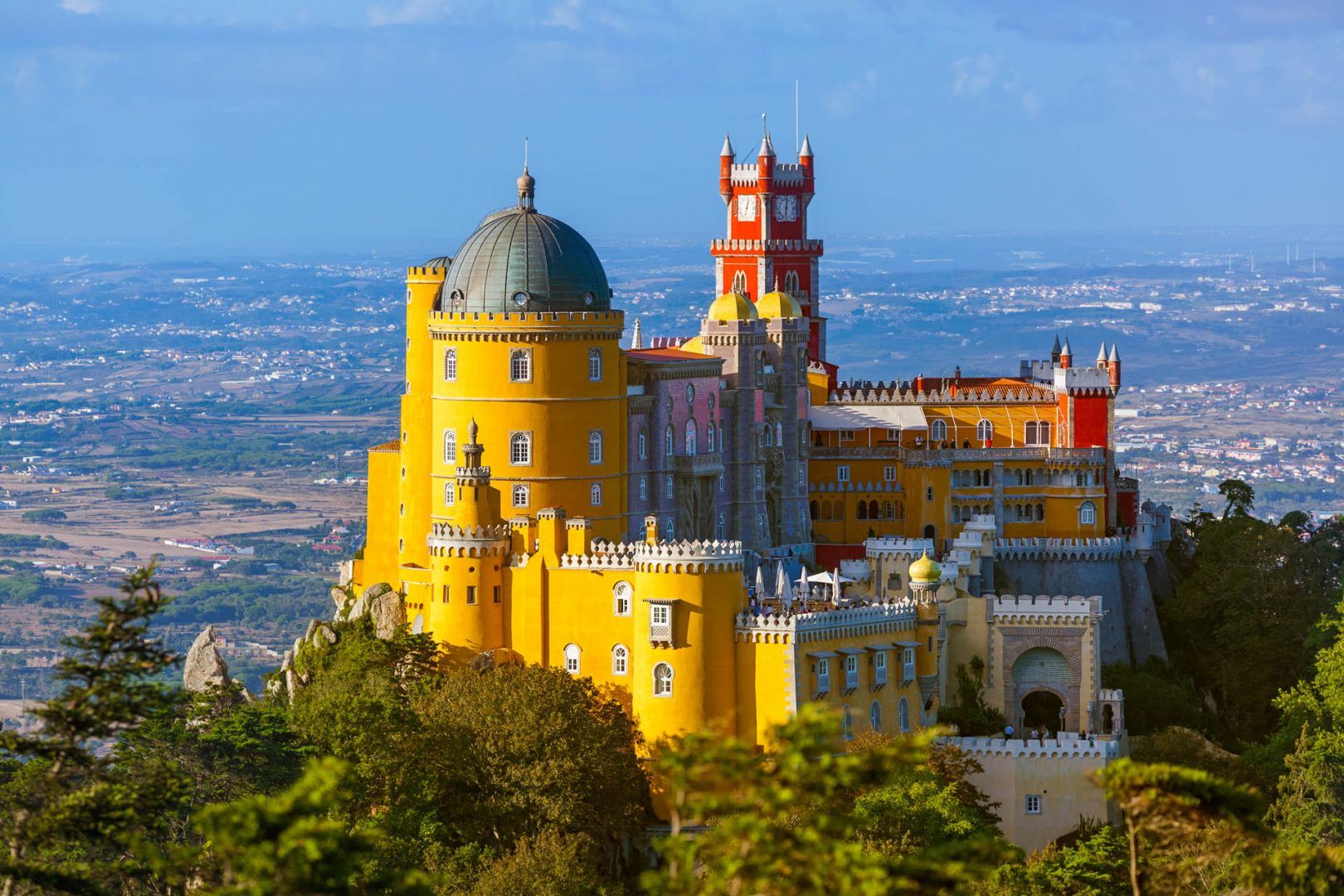
Sintra Music Festival Performances by international orchestras, musicians and dance groups in parks, gardens and palaces in and around Sintra, Estoril and Cascais. An offshoot of the festival is the “Noites de Bailado” – ballet, dance and opera in Sintra’s Centro Cultural Olga Cadaval.
Silves Beer Festival Local and international beers by the bucket load, plus live entertainment.
August
First week Festival Sudoeste. Much-heralded four-day rock, indie and electro music festival at Zambujeira do Mar (Alentejo coast).
First weekend Festas Gualterianas. The major festival in Guimarães has been held since the fifteenth century.
First weekend Festa do Nossa Senhora da Boa Viagem. Seafaring is celebrated at Peniche with religious processions by boat and on land.
Third weekend Romaria da Nossa Senhora da Agonía. Viana do Castelo’s major annual religious celebration, plus carnival and fair.
September
First week Romaria de Nossa Senhora dos Remédios. The annual pilgrimage in Lamego comes to a head at the end of the first week, though events start in the last week of August (see Nossa Senhora dos Remédios).
First week Festa Avante! The Portuguese Communist Party’s big annual bash sees three days of live music, events, rallies and speeches.
Second & third weekends Feiras Novas. The “New Fairs” – a traditional festival and market – held in Ponte de Lima.
20 Festa de São Mateus. A week’s worth of celebrations in Elvas (Alentejo), including a huge religious procession plus the usual fairs and fireworks.
October
First two weeks Feira de Outubro. More bull-running and bullfighting in Vila Franca de Xira.
13 Fátima. The second great pilgrimage of the year at Fátima.
November
First two weeks Feira Nacional do Cavalo. The National Horse Fair, held in Golegã.
11 São Martinho. Celebrations in honour of St Martin, with roots in pre-Christian harvest festivals coincides with the first tastings of the year’s wine, roast chestnuts and Água Pé – a weak wine made from watered-down dregs. At its most traditional in northern Trás-os-Montes, Beira Baixa (particularly Alcains), Golegã, and Penafiel east of Porto.
December
24 Christmas (Natal). The main Christmas celebration is midnight Mass on December 24, followed by a traditional meal of bacalhau, turkey or – bizarrely in Trás-os-Montes – octopus.
31 New Year’s Eve (Noite de Ano Novo). Individual towns organize their own events, usually with fireworks at midnight, and the New Year is welcomed by the banging of old pots and pans.
Read More


