
















Best places in Portugal to visit
From icons to hidden treasures

Beira Alta and Beira BaixaPortugal

The gift of the off-season: a walking holiday in the AlgarveNature and culture combine to create an authentic Algarve experience, away from the summer heat and crowds

Estremadura and RibatejoPortugal
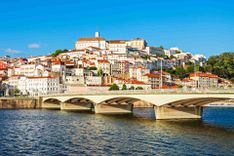
Coimbra and the Beira LitoralPortugal

Trás-os-MontesPortugal

AlentejoPortugal

The AlgarvePortugal
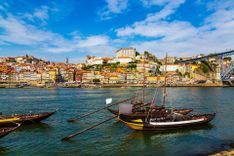
Porto and the Rio DouroPortugal
The MinhoPortugal

Lisbon and aroundPortugal
Click to activate the map
Beira Alta and Beira BaixaPortugal
The gift of the off-season: a walking holiday in the AlgarveNature and culture combine to create an authentic Algarve experience, away from the summer heat and crowds
Estremadura and RibatejoPortugal
Coimbra and the Beira LitoralPortugal
Trás-os-MontesPortugal
AlentejoPortugal
The AlgarvePortugal
Porto and the Rio DouroPortugal
The MinhoPortugal
Lisbon and aroundPortugal