#6 Stroll along the Mondego River
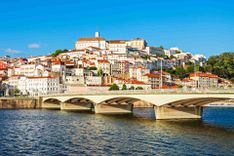
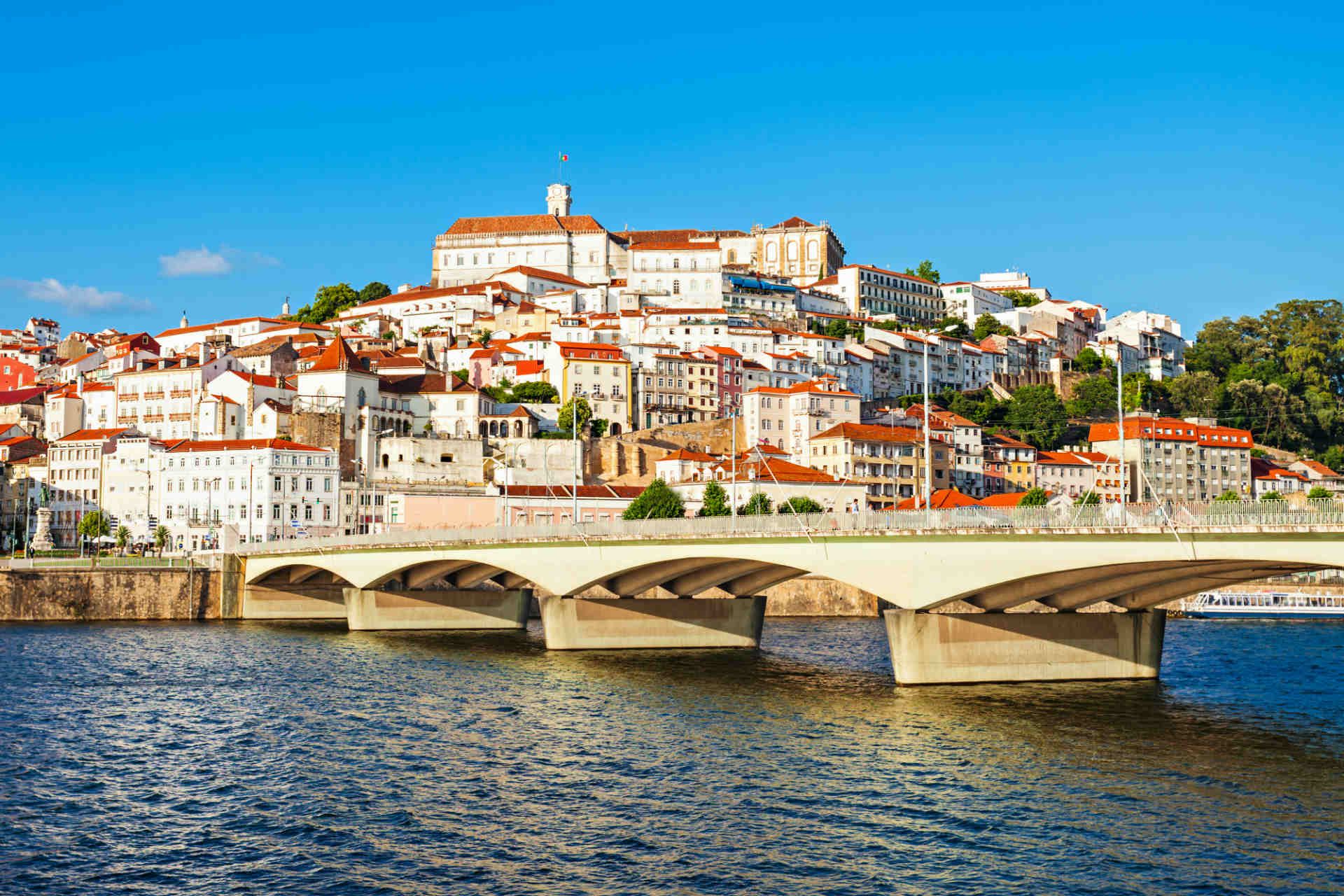
The Mondego River is Coimbra’s lifeline, and in recent years the city has reclaimed its banks for leisure. Wide promenades and cycling paths stretch along both sides, while pedestrian bridges provide some of the best views of the old town, climbing steeply above the water. On summer evenings, locals gather here for open-air concerts, rowing regattas, or simply to watch the sunset.
The view from the Pedro e Inês footbridge is especially striking, with the university buildings glowing above the river as the light fades. It is no coincidence that Coimbra’s poets often found inspiration here. The river is a natural stage, and the city around it provides the backdrop. A stroll along the Mondego is essential not for its monuments, but for the way it connects you to the rhythm of Coimbra life.
#7 Step into Santa Clara-a-Velha
Across the river stands the Monastery of Santa Clara-a-Velha, one of Coimbra’s most atmospheric ruins. Founded in the 14th century by Queen Isabel, it soon fell victim to the floods of the Mondego. By the 17th century, the nuns abandoned it, moving uphill to what became the new Santa Clara convent. For centuries, the old church lay half-buried in mud until archaeological excavations uncovered it in the 20th century.
Walking among the Gothic arches today, you can still sense the struggle between human devotion and natural force. The visitor center explains how the site was excavated and preserved, while also telling the story of Queen Isabel, revered as a saint for her acts of charity. A visit here gives a different perspective on Coimbra: not just a seat of learning, but a place where faith and resilience endured in the face of natural adversity.
#8 Spend half a day at Conímbriga
Sixteen kilometers south of Coimbra lies Conímbriga, the most extensive Roman site in Portugal. Unlike smaller ruins scattered across the country, Conímbriga feels like a complete city, with streets, walls, baths, and villas that reveal daily life two thousand years ago. The mosaics are extraordinary. Floors are decorated with intricate hunting scenes, mythological figures, and geometric designs that remain vivid despite the centuries.
The site also illustrates the layers of history that shaped the region. The Romans built defensive walls during times of instability, some of which are still standing, while later medieval inhabitants reused parts of the town. A modern museum displays artifacts found during excavations, from coins to pottery, giving you an intimate look at the lives once lived here. Allow at least half a day, and if possible, combine your visit with a countryside lunch in a nearby village to round out the experience.

 Travel Expert