How to get to Dominical
Dominical is about a 2.5 hour drive south of San Jose. It is therefore fairly easy to reach. These are your best options.
By bus
Buses usually make three stops in Dominical — outside Patron’s coming into the village; in the centre south of the football field, and further along the beach, where the bus turns around.
From San José, you’ll need to go to Quepos or San Isidro and change, or get one of the two daily Tracopa buses to Uvita (6am and 3pm) and ask to be dropped off at Dominical.
Heading back to San José, you can flag the Tracopa buses down on the main road (Hwy-34) at around 6am and 1.30pm.).
By shuttle bus
Most of the nation’s shuttle bus operators run direct routes between Dominical hotels and San José (4hr) and other major tourist hubs. These include Jacó (2hr), La Fortuna (6hr), Montezuma (5hr) and Puerto Jiménez (4hr).
Monkey Ride offers one-way shared rides from San José airport to hotels in Dominical.
By car
While you can get to Dominical via San Isidro de El General or Quepos in any car, it makes sense to have a 4WD if you want to explore the surrounding area.
By taxi
Taxis in San Isidro de El General will make the drive to Dominical. They usually gather around the central bus terminal.
For more transportation tips, read our guide to getting around Costa Rica.
Looking for more inspiration? Read up on the best things to do in Costa Rica, and get yourself a copy of The Rough Guide to Costa Rica.
Our Costa Rica travel tips will also help you plan your trip. Alternatively, if you're not a fan of planning, you'll love our customisable Costa Rica itineraries.
We may earn commission when you click on links in this article, but this doesn’t influence our editorial standards. We only recommend services we genuinely believe will enhance your travel experiences.
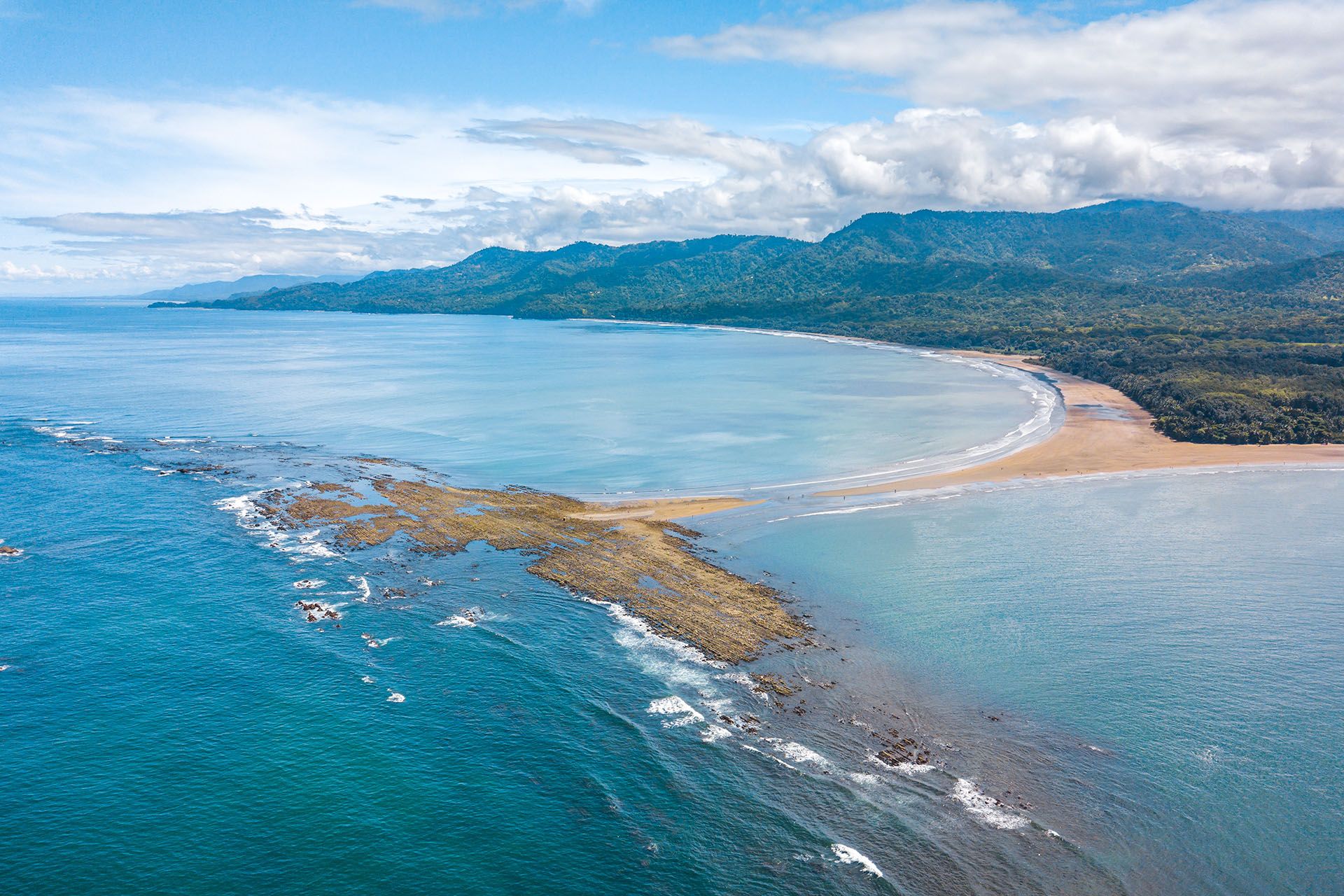
Top image: Play Uvita, Costa Rica, © Judith Lienert/Shutterstock