#4 Tuck into Bicolano cuisine
Bicolano cuisine is unusual in the Philippines and is noted for its use of coconut and chillies. Most Bicolano dishes are prepared by sautéeing or simmering ingredients in coconut cream – traditionally minced, diced or ground pork, smoked fish (tinapa) or small shrimps.
Among the most common dishes are Bicol Express, named after a famous train service. It is made with coconut cream, diced pork, small shrimps, chilli and garlic, and sometimes pineapple.
Others to try include laing, a spicy dish of delicious taro leaves, coconut cream, ground pork and minced small shrimps; and pinangat, which uses the same ingredients as laing, although the taro leaves here are tied together and wrapped around the ground pork and small shrimps, before being submerged in coconut cream.
To sample some of the best Bicolano cuisine, head for Seadog Diner or Waway’s Restaurant in Legazpi.
#5 Climb Mount Mayon
The elegantly smooth cone of Mount Mayon (2460m) may look benign from a distance, but don’t be deceived. The most active volcano in the country, Mayon has erupted more than forty times since 1616.
The traditional window of opportunity for an ascent of Mount Mayon is February to April, and even then you’ll have to be well prepared for cold nights at altitude and the possibility of showers.
At any other time of year you could be hanging around for days waiting for a break in the weather.
Though the slopes look smooth, it takes at least two days to reach the highest point of the trail, working your way slowly through forest, grassland and deserts of boulders.
Above 1800m there’s the possibility of being affected by poisonous gases, and climbers are not allowed past 2000m even if there’s no imminent threat of eruption.
There are various approaches to Mayon, although the accredited and authorized jump-off point is at Lidong, Santo Domingo, where the Mayon Volcano National Park is located.
#6 Discover the deliciously-unvisited Ticao Island
Beautiful and laidback Ticao Island, across the Masbate Passage from Masbate City, is well worth the one-hour bangka trip.
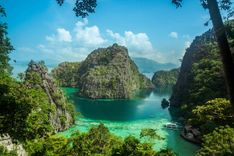
The infrastructure is mostly basic and the roads can be very difficult in the rainy season, but Ticao is home to beautiful scenery and lovely beaches with crystal-clear waters, and it’s deliciously unvisited.
A convenient way to get around is to hire a bangka and explore the coast. Ask the boatman to take you to Talisay, the island’s finest beach, and then on to Catandayagan Falls, the only waterfall in the country – and one of the very few in the world – where fresh water cascades directly into the sea.
It’s an impressive sight, plunging 60m into the emerald-green waters below. It’s a perfect spot to have a swim, too.